Cockspur hawthorn (Crataegus persimilis)
Care, watering, light and tips for Cockspur hawthorn on Floravia.
Quick facts
- Family: Rosaceae
- Difficulty: Easy to care for
- Watering: every 7 days
- Light: Full sun
- Temperature: 0–30 °C
- Toxicity: Toxic to pets
About Cockspur hawthorn
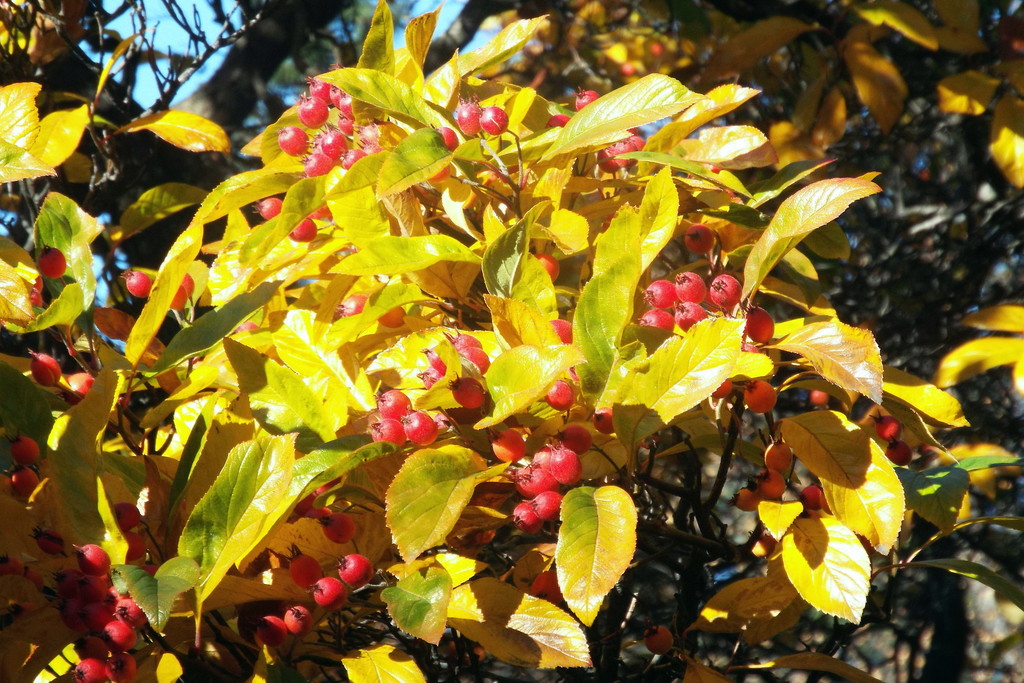
Crataegus persimilis, commonly known as Broad-leaved Cockspurthorn, is a small ornamental tree or large shrub renowned for its long, sharp thorns, attractive white spring blossoms, and bright red fruits that persist into winter. Its dark green foliage turns reddish-orange in autumn, providing significant seasonal interest. It is ideal as a specimen plant in small to medium-sized gardens, or for creating defensive hedges and windbreaks.
Native range
United States (northeast)
Care tips
It thrives in full sun for optimal flowering and fruiting, though it tolerates some partial shade. Once established, it is drought-tolerant but appreciates regular watering during dry periods, especially in its early years. It adapts to a wide range of soils, as long as they are well-drained; avoid waterlogging. A common mistake is planting it in confined spaces without considering its mature size and thorns, as it requires room to fully develop.
How to save a dying Cockspur hawthorn
- Warning signs
- Wilted, yellowing or spotted leaves, fallen fruits, lack of flowering.
- First aid
- Check watering (not waterlogged or dry), look for pests (aphids, scale) or diseases (rust, fire blight). Prune dry branches.
- What kills it
- Overwatering that rots roots or extreme lack of water in summer. Also untreated fire blight.
- Can it be saved?
- Yes, if you act quickly. Identify the cause and correct the problem. It tolerates pruning well.