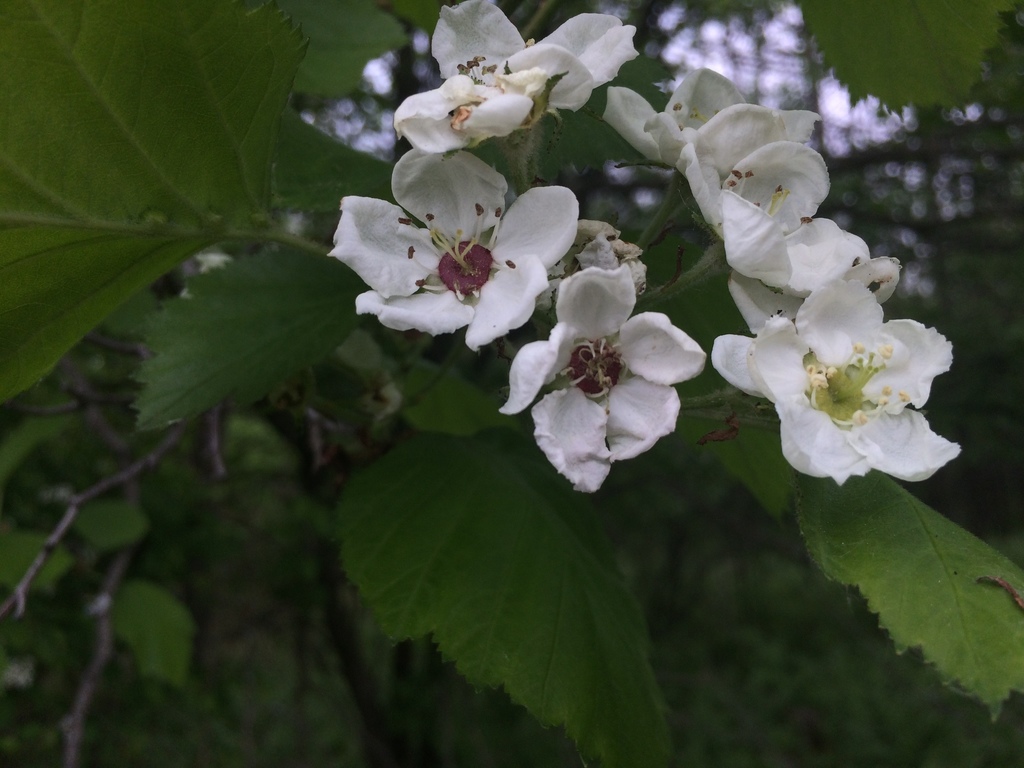
Northern downy hawthorn (Crataegus submollis)
Care, watering, light and tips for Northern downy hawthorn on Floravia.
Quick facts
- Family: Rosaceae
- Difficulty: Easy to care for
- Watering: every 7 days
- Light: Full sun
- Temperature: 0–30 °C
- Toxicity: Toxic to pets
About Northern downy hawthorn
Crataegus submollis, commonly known as Velvety Hawthorn, is a small tree or large shrub prized for its abundant white flowers in spring and bright red fruits that persist into winter. Its dark green foliage and rounded shape make it an excellent choice as an ornamental specimen, a defensive hedge, or a shade tree in medium-sized gardens. It provides year-round visual interest, especially in naturalistic landscapes and wildlife gardens.
Native range
Northeastern North America
Care tips
This hawthorn thrives in full sun for optimal flowering and fruiting, though it tolerates some partial shade. It is adaptable to a variety of well-drained soils and is quite drought-tolerant once established. Avoid overwatering, as this can lead to fungal diseases; water only during prolonged dry spells. A common mistake is planting it in heavily compacted soils without improving drainage, which can hinder its growth.
How to save a dying Northern downy hawthorn
- Warning signs
- Premature yellow/brown leaves, unripened/dropping fruit, poor growth, dry branches.
- First aid
- Check drainage/soil moisture, prune dead branches, apply balanced fertilizer, protect from water stress.
- What kills it
- Constant waterlogging, lack of sun, poor/compacted soil, uncontrolled pests (aphids, spider mites).
- Can it be saved?
- Usually yes, if acted upon quickly. It's resilient but needs proper conditions.