Black hawthorn (Crataegus nigra)
Care, watering, light and tips for Black hawthorn on Floravia.
Quick facts
- Family: Rosaceae
- Difficulty: Easy to care for
- Watering: every 7 days
- Light: Full sun
- Temperature: 0–30 °C
- Toxicity: Toxic to pets
About Black hawthorn
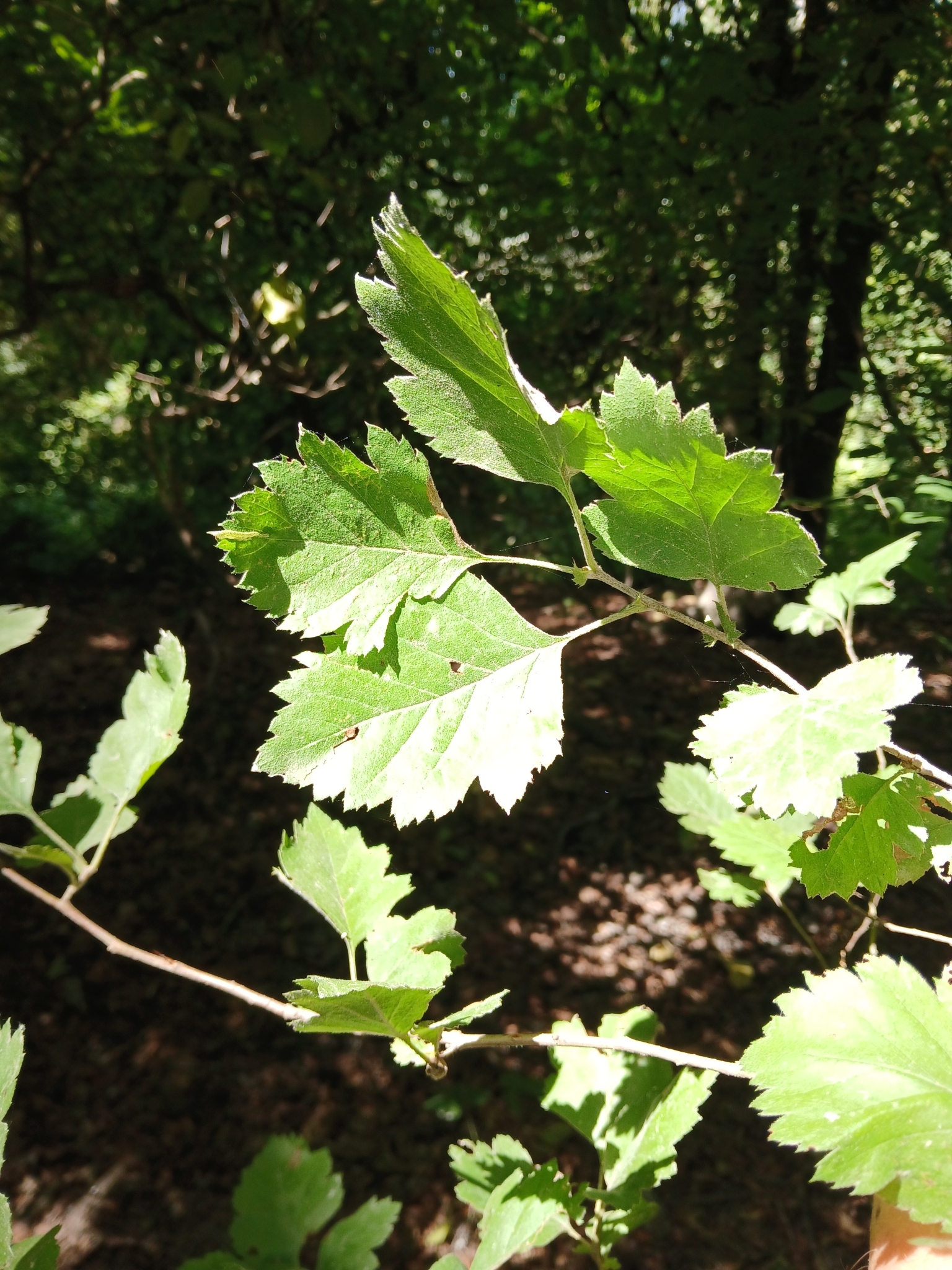
Crataegus nigra, commonly known as Hungarian Thorn or Black Hawthorn, is a deciduous shrub or small tree belonging to the Rosaceae family. It is characterized by its white flowers in spring, followed by edible black fruits that persist into winter, and its dark green lobed foliage. It is ideal as a specimen plant in gardens, for forming defensive hedges, or as an ornamental tree in parks.
Native range
Eastern and Central Europe
Care tips
It prefers full sun exposure for optimal flowering and fruiting, though it tolerates partial shade. This species is drought-tolerant once established, but appreciates regular watering during dry periods, especially when young. It adapts to a wide range of well-drained soils, including calcareous and clayey types. Avoid waterlogging, as it can lead to root rot.
How to save a dying Black hawthorn
- Warning signs
- Yellowish or spotted leaves, premature fruit drop, dry branches or sparse budding.
- First aid
- Check watering (avoid waterlogging), provide balanced fertilizer, and prune dead branches.
- What kills it
- Overwatering and lack of nutrients, weakening its defenses against pests and diseases.
- Can it be saved?
- Yes, if acted upon quickly. Good drainage and rich soil are key to its recovery.