Mexican hawthorn (Crataegus rosei)
Care, watering, light and tips for Mexican hawthorn on Floravia.
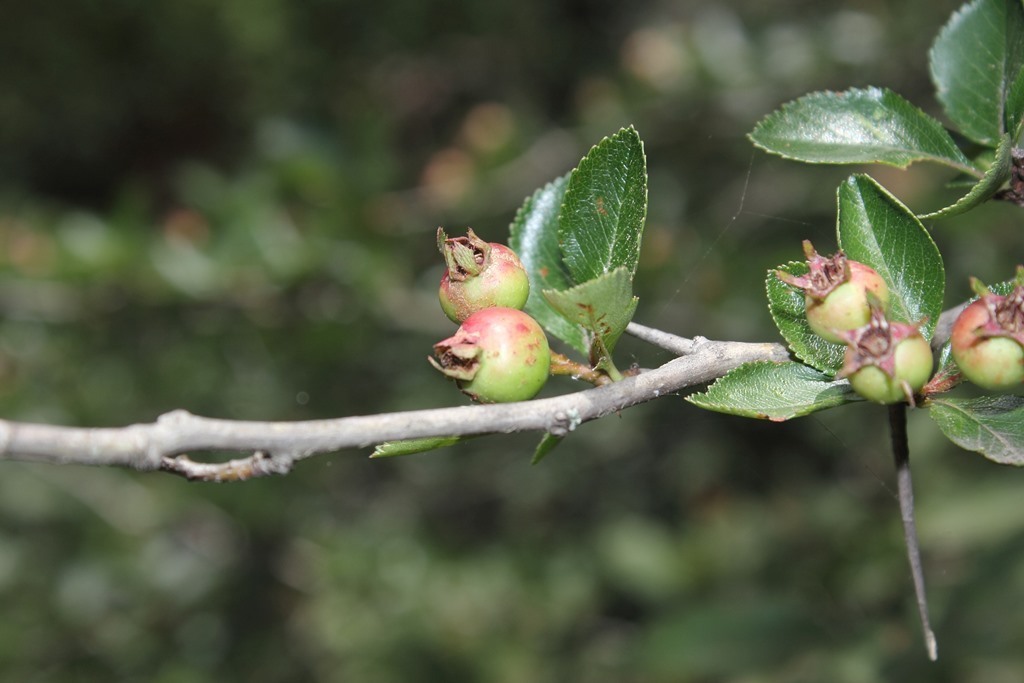
Quick facts
- Family: Rosaceae
- Difficulty: Easy to care for
- Watering: every 7 days
- Light: Full sun
- Temperature: 0–30 °C
- Toxicity: Toxic to pets
About Mexican hawthorn
Crataegus rosei, commonly known as tejocote or red tejocote, is a deciduous fruit tree native to Mexico, valued for its small, edible yellow to reddish-orange fruits. It features a dense, spiny canopy, making it ideal for live hedges or as a standalone specimen in rustic gardens and orchards. Its white spring blossoms and attractive autumn foliage also contribute to its ornamental appeal.
Native range
Mexico
Care tips
It requires full sun for optimal fruiting, although it tolerates partial shade. It is quite drought-tolerant once established but benefits from regular watering during dry periods, especially during flowering and fruiting. It prefers well-drained soils, from sandy to clayey, and a common mistake is excessive nitrogen fertilization, which can inhibit flowering and fruit development. Prune in winter to shape and remove dead or diseased branches.
How to save a dying Mexican hawthorn
- Warning signs
- Yellowing or brown, wilting leaves, premature drop. Small or undeveloped fruits.
- First aid
- Check drainage and soil moisture. Prune dry branches. Protect from extreme heat.
- What kills it
- Constant waterlogging, suffocating roots. Or prolonged drought without irrigation.
- Can it be saved?
- Yes, if you act quickly to correct watering and drainage, and it lacks advanced rot.