Hawthorn (Crataegus atrovirens)
Care, watering, light and tips for Hawthorn on Floravia.
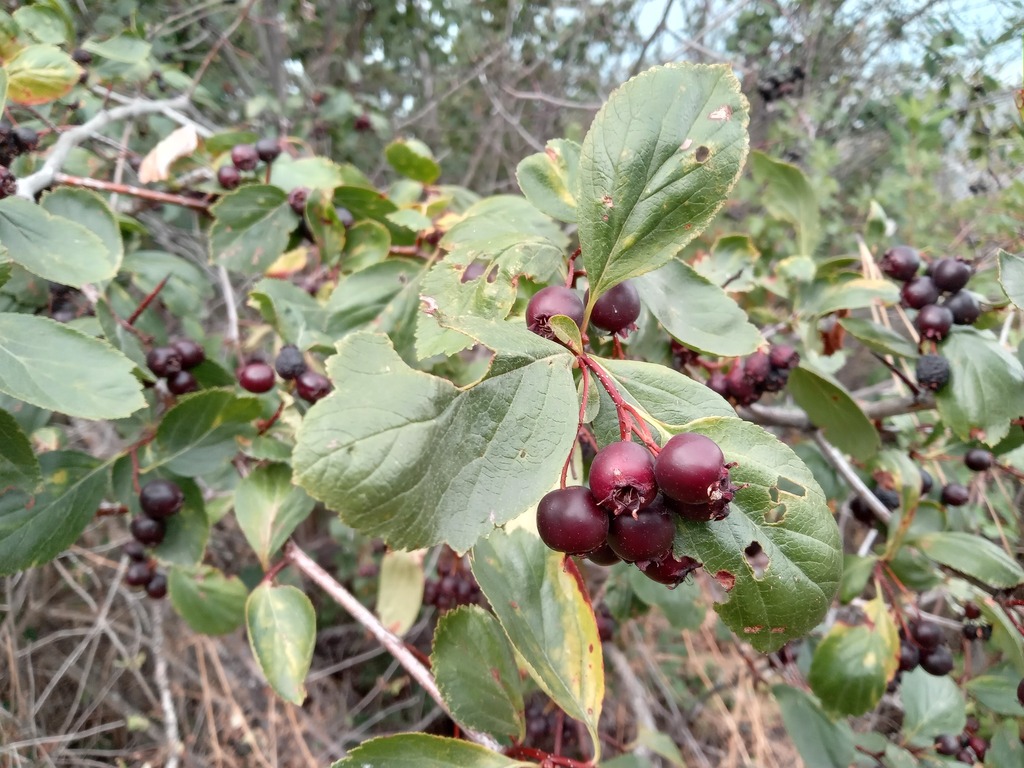
Quick facts
- Family: Rosaceae
- Difficulty: Moderate care
- Watering: every 3 days
- Light: Full sun
- Temperature: 0–30 °C
- Toxicity: Toxic to pets
About Hawthorn
Crataegus atrovirens, commonly known as dark-green hawthorn, is a deciduous shrub or small tree in the Rosaceae family, valued for its dense, dark green foliage and decorative red fruits. Its thorny branches and compact form make it ideal for defensive hedges, borders, or as a standalone specimen in low-maintenance gardens, providing seasonal interest. White flowers in spring and persistent fruits in autumn and winter add prolonged visual appeal.
Native range
Southeastern United States
Care tips
It prefers full sun exposure for optimal flowering and fruiting, though it tolerates some partial shade. This species is highly adaptable to various soil types, provided they are well-drained; once established, it is drought-tolerant but appreciates occasional watering during dry spells. Avoid waterlogging, as it can lead to root rot. A common mistake is excessive and shapeless pruning, which can affect its natural structure and flowering.
How to save a dying Hawthorn
- Warning signs
- Wilted, yellowing leaves or dark spots; weak or drooping young shoots. May indicate water stress or fungal issues.
- First aid
- Check soil moisture. If dry, water deeply. If waterlogged, aerate or repot. Apply fungicide if spots appear.
- What kills it
- Overwatering leading to root rot or prolonged drought. Also, excessive pruning at wrong times.
- Can it be saved?
- Yes, if roots aren't completely rotted and the main trunk is undamaged. Act quickly and patiently.