Japanese plum (Prunus japonica)
Care, watering, light and tips for Japanese plum on Floravia.
Quick facts
- Family: Rosaceae
- Difficulty: Easy to care for
- Watering: every 7 days
- Light: Full sun
- Temperature: 0–30 °C
- Toxicity: Toxic to pets
About Japanese plum
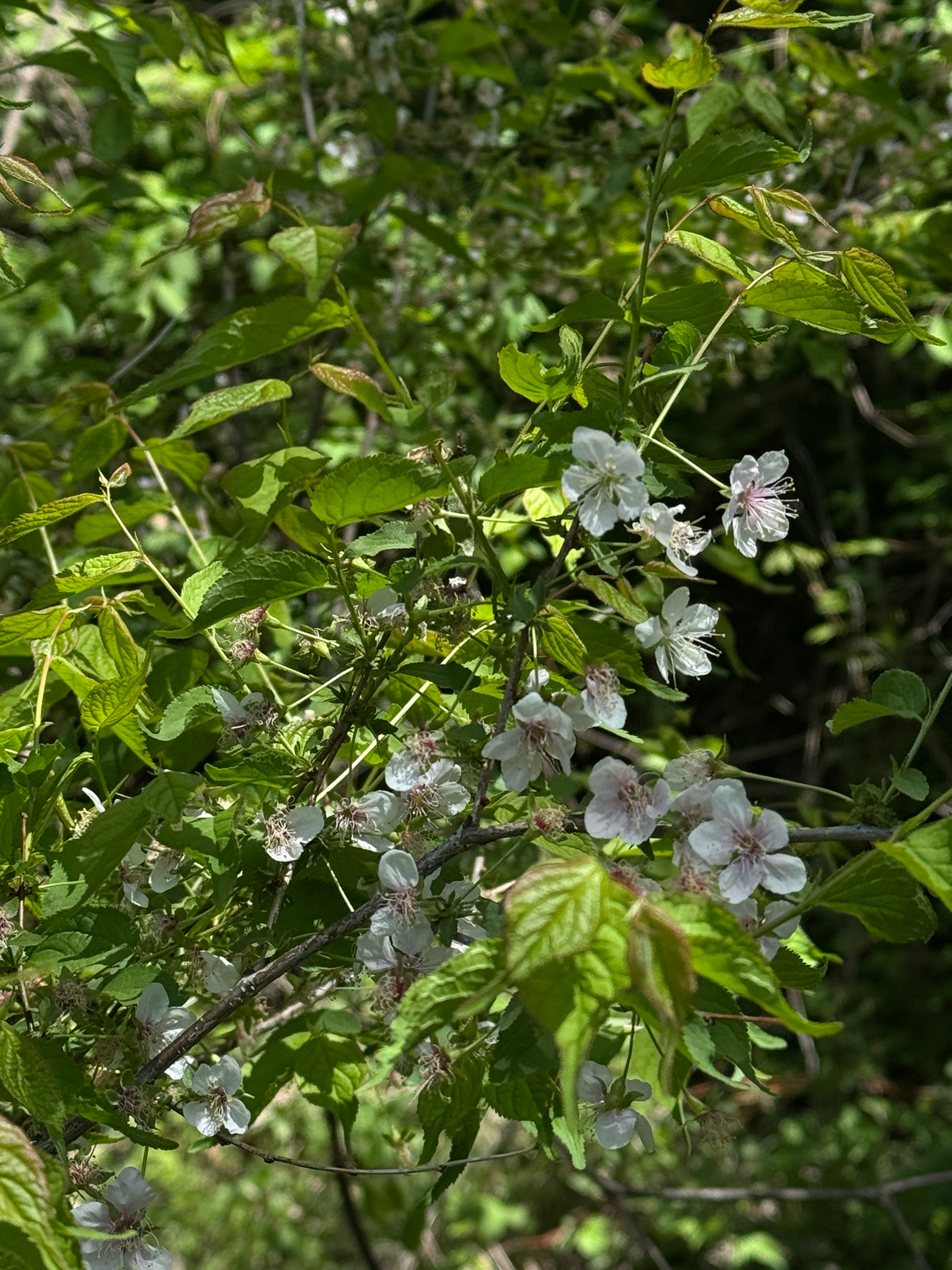
Prunus japonica, commonly known as Japanese Bush Cherry or Dwarf Flowering Almond, is a small to medium-sized deciduous shrub, valued for its profuse spring bloom of white or pink flowers, followed by small edible fruits. Its slender branches and compact habit make it ideal for small gardens, borders, or even as a bonsai. It adds a delicate and ornamental touch, especially when in bloom.
Native range
China and Korea
Care tips
It thrives in full sun exposure to ensure optimal flowering and fruiting, though it tolerates partial shade. It requires well-drained, fertile, and slightly acidic soil, avoiding waterlogging which can lead to root rot. Water regularly during its growth and flowering periods, reducing frequency in winter. A common mistake is over-pruning or pruning at the wrong time; it's best to prune lightly after flowering to maintain shape and remove dead or diseased branches.
How to save a dying Japanese plum
- Warning signs
- Rolled, wilted or yellowing leaves; premature fruit drop; cracked or oozing bark.
- First aid
- Check soil drainage and moisture; prune dry or diseased branches; apply fungicide if disease signs appear.
- What kills it
- Overwatering or poor drainage causing root rot; lack of sanitary pruning; uncontrolled pests.
- Can it be saved?
- Yes, if you act quickly. Good diagnosis and water management are key for recovery.