Bird cherry (Prunus padus)
Care, watering, light and tips for Bird cherry on Floravia.
Quick facts
- Family: Rosaceae
- Difficulty: Easy to care for
- Watering: every 7 days
- Light: Full sun
- Temperature: 0–30 °C
- Toxicity: Toxic to pets
About Bird cherry
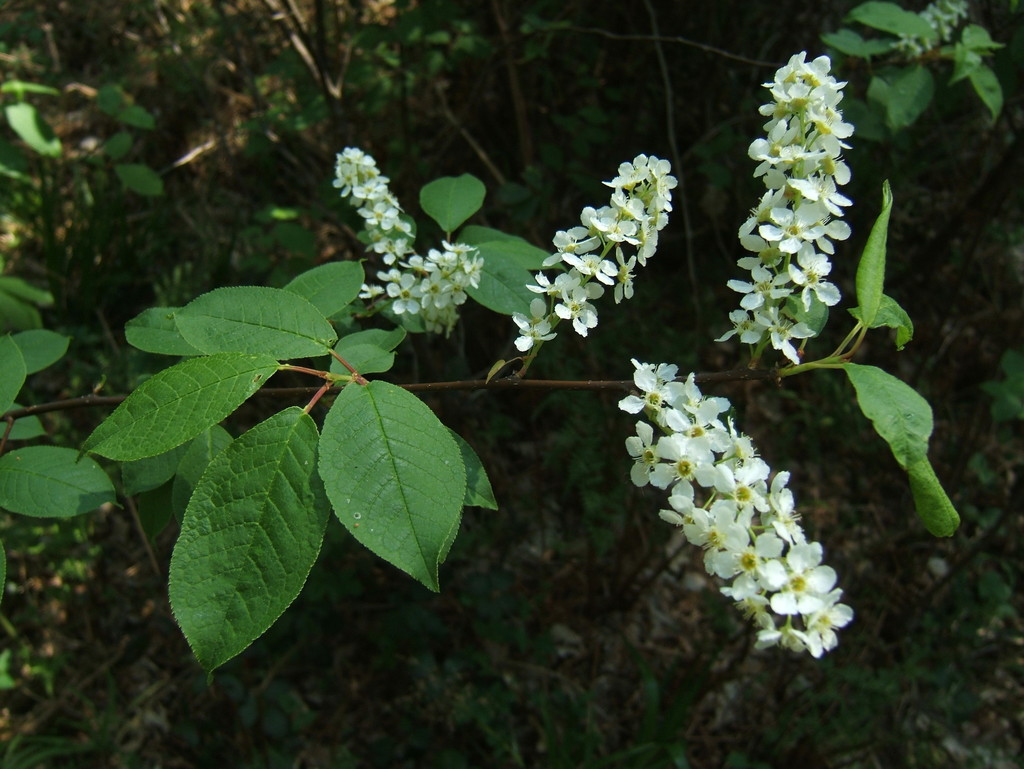
Prunus padus, commonly known as Bird Cherry or Hegg, is a medium-sized deciduous tree admired for its fragrant white flower clusters in spring and its dark fruits, which are attractive to wildlife. Its elegant habit and profuse flowering make it ideal for ornamental gardens, parks, and as a street tree. It adds a wild and naturalistic touch to any landscape.
Native range
Europe and temperate Asia
Care tips
It prefers full sun to partial shade and moist, well-drained soils rich in organic matter, tolerating a wide range of pH. Watering should be regular, especially during dry periods and in its early years, avoiding waterlogging. A common mistake is planting it in very dry or compacted soils, which can hinder its growth and flowering. It tolerates light pruning to maintain shape, but it is not strictly necessary.
How to save a dying Bird cherry
- Warning signs
- Yellowish or brown leaves, wilting and falling prematurely. Presence of holes or deformities on leaves.
- First aid
- Check watering: avoid waterlogging and extreme drought. If pests (aphids, caterpillars) are present, remove them manually or with insecticidal soap. Ensure good air circulation.
- What kills it
- Constant over or under-watering, weakening the tree. Planting in very compact or poorly drained soil. Lack of pruning dry branches.
- Can it be saved?
- Yes, if you act quickly and correct the cause. It is resilient, but needs timely attention. Water balance and health are key.