Japanese plum (Prunus salicina)
Care, watering, light and tips for Japanese plum on Floravia.
Quick facts
- Family: Rosaceae
- Difficulty: Moderate care
- Watering: every 7 days
- Light: Full sun
- Temperature: 0–30 °C
- Toxicity: Toxic to pets
About Japanese plum
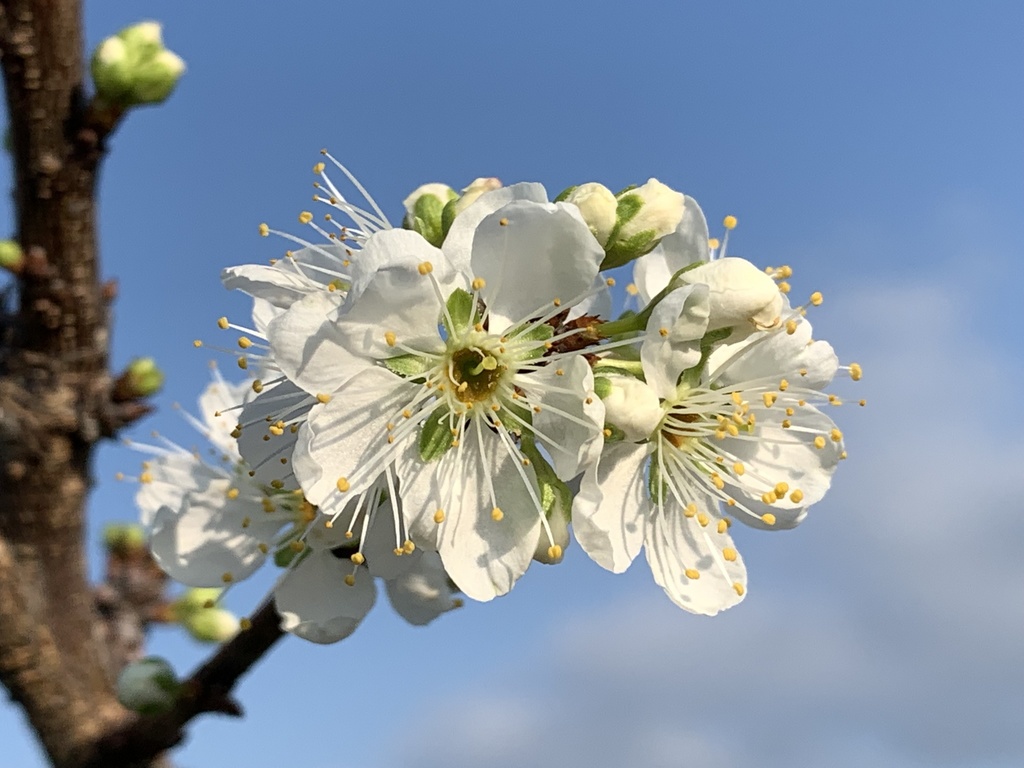
The Japanese plum (Prunus salicina), commonly known as 'su-momo', is a deciduous fruit tree from the Rosaceae family, prized for its delicious plums with glossy skin and juicy flesh. It reaches a height of 3 to 7 meters, with a spreading canopy and white or pink blossoms appearing in spring. It is ideal for home orchards, ornamental gardens where a productive and attractively flowering fruit tree is desired, or as part of an edible landscape.
Native range
China
Care tips
It requires full sun (at least 6-8 hours daily) for optimal fruiting and well-drained, fertile, slightly acidic soil. Watering should be regular, especially during flowering and fruit development, avoiding waterlogging which can lead to fungal diseases. A common mistake is not pruning properly to maintain the tree's shape, health, and promote good fruit production, which should be done in winter. Ensure it has enough space to grow and good air circulation.
How to save a dying Japanese plum
- Warning signs
- Yellowish or pale leaves, premature fruit drop, dry branches or gummosis (resin secretion). This may indicate water stress, fungal diseases, or nutritional deficiencies.
- First aid
- Check watering (neither too much nor too little), prune dead branches, and apply fungicide if there are signs of fungus. Ensure good ventilation and balanced fertilization.
- What kills it
- A common mistake is prolonged waterlogging, which rots the roots. Also, lack of sanitary pruning, which promotes diseases. Excessive pruning also weakens it.
- Can it be saved?
- Yes, if acted upon in time. Identify the cause and correct it quickly. Recovery can be slow, but with proper care, it can regrow and recover.