Cherry plum (Prunus cerasifera)
Care, watering, light and tips for Cherry plum on Floravia.
Quick facts
- Family: Rosaceae
- Difficulty: Easy to care for
- Watering: every 7 days
- Light: Full sun
- Temperature: 0–30 °C
- Toxicity: Toxic to pets
About Cherry plum
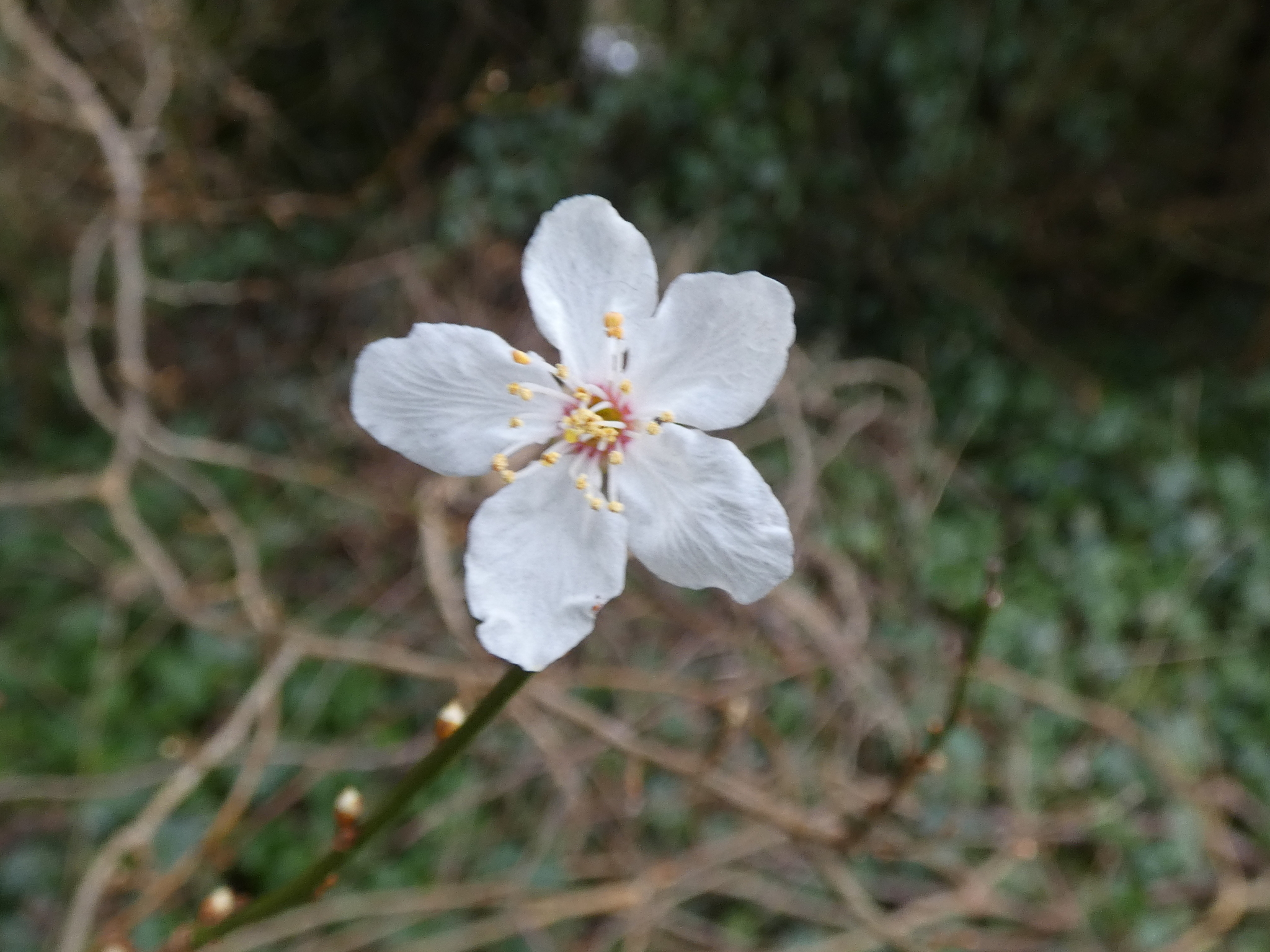
Prunus cerasifera, commonly known as cherry plum or myrobalan plum, is a small to medium-sized deciduous tree valued for its early and abundant spring bloom of white or pink flowers. Its foliage can be green or purple, making it an excellent ornamental specimen for gardens, parks, or as a flowering hedge. It brings a vibrant splash of color and elegance to any urban or rural landscape.
Native range
Southeastern Europe, Caucasus, Central Asia and Southwest Asia
Care tips
This cherry plum thrives in full sun for optimal flowering, though it tolerates some partial shade. It requires regular watering during dry periods, especially when young, but once established it is quite drought-tolerant. It adapts to a wide range of soils, provided they are well-drained and not excessively chalky. A common mistake is planting it in heavy, compacted soils, which can lead to root rot issues.
How to save a dying Cherry plum
- Warning signs
- Premature yellow/red leaves, branch dieback, gummosis (resin on trunk), cankers on bark.
- First aid
- Check drainage and watering. Prune dead or diseased branches. Apply fungicide for cankers. Protect from strong winds.
- What kills it
- Excessive soil moisture, poor drainage, incorrect pruning allowing disease entry, or lack of water in summer.
- Can it be saved?
- Yes, if you act quickly. Early diagnosis and correction of water or fungal issues are key.