Japanese cherry (Prunus serrulata)
Care, watering, light and tips for Japanese cherry on Floravia.
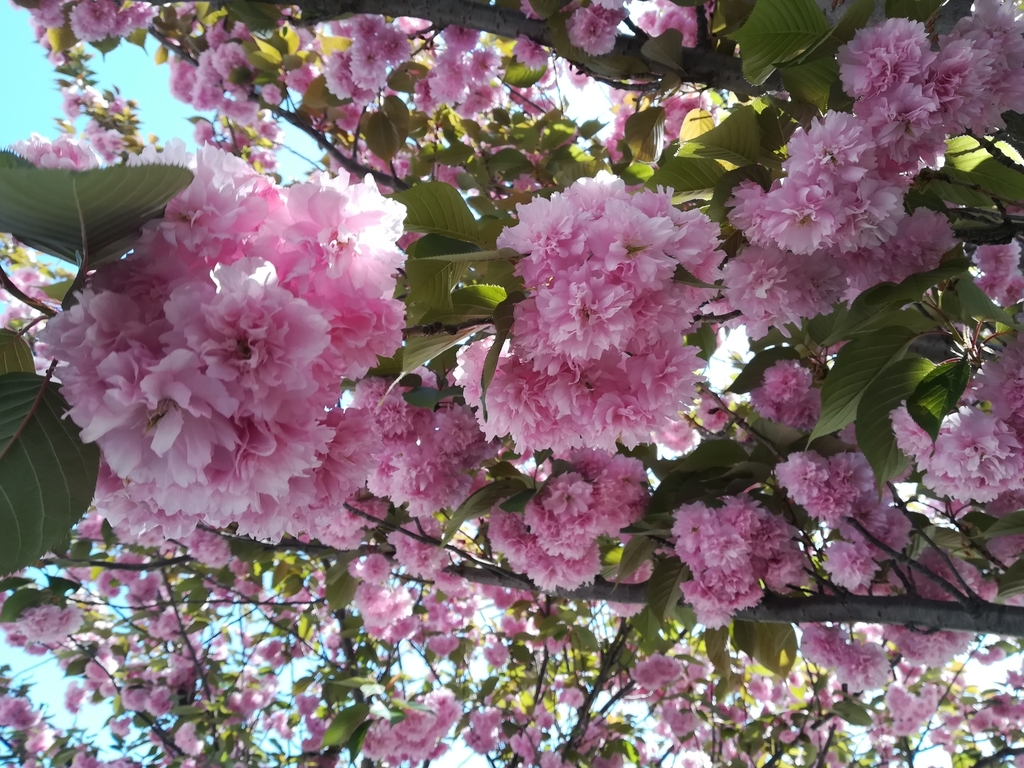
Quick facts
- Family: Rosaceae
- Difficulty: Moderate care
- Watering: every 4 days
- Light: Full sun
- Temperature: 0–30 °C
- Toxicity: Toxic to pets
About Japanese cherry
Prunus serrulata, commonly known as Japanese Cherry or Sakura, is an ornamental tree famous for its spectacular spring bloom. Its branches become covered with abundant pink or white flowers, offering an unparalleled visual display. It is ideal for parks, large gardens, or as a focal tree, creating a serene and beautiful ambiance.
Native range
East Asia, specifically Japan, Korea, and China
Care tips
It requires full sun for optimal flowering, at least 6 hours of direct light per day. Watering should be regular during dry periods, especially in its early years, avoiding waterlogging which can rot the roots. It prefers well-drained, fertile, and slightly acidic soils. A common mistake is pruning in autumn or winter; pruning should be done right after flowering to avoid compromising the following year's blooms.
How to save a dying Japanese cherry
- Warning signs
- Yellowish or brown leaves falling prematurely, lack of blooming, cankers on the trunk.
- First aid
- Check drainage and soil moisture. Prune dry or diseased branches with sterilized tools. Protect from strong winds.
- What kills it
- Overwatering or compacted soil suffocating roots. Also, lack of direct sunlight.
- Can it be saved?
- Yes, if acted upon quickly. It's resilient but needs specific conditions to thrive.