African cherry (Prunus africana)
Care, watering, light and tips for African cherry on Floravia.
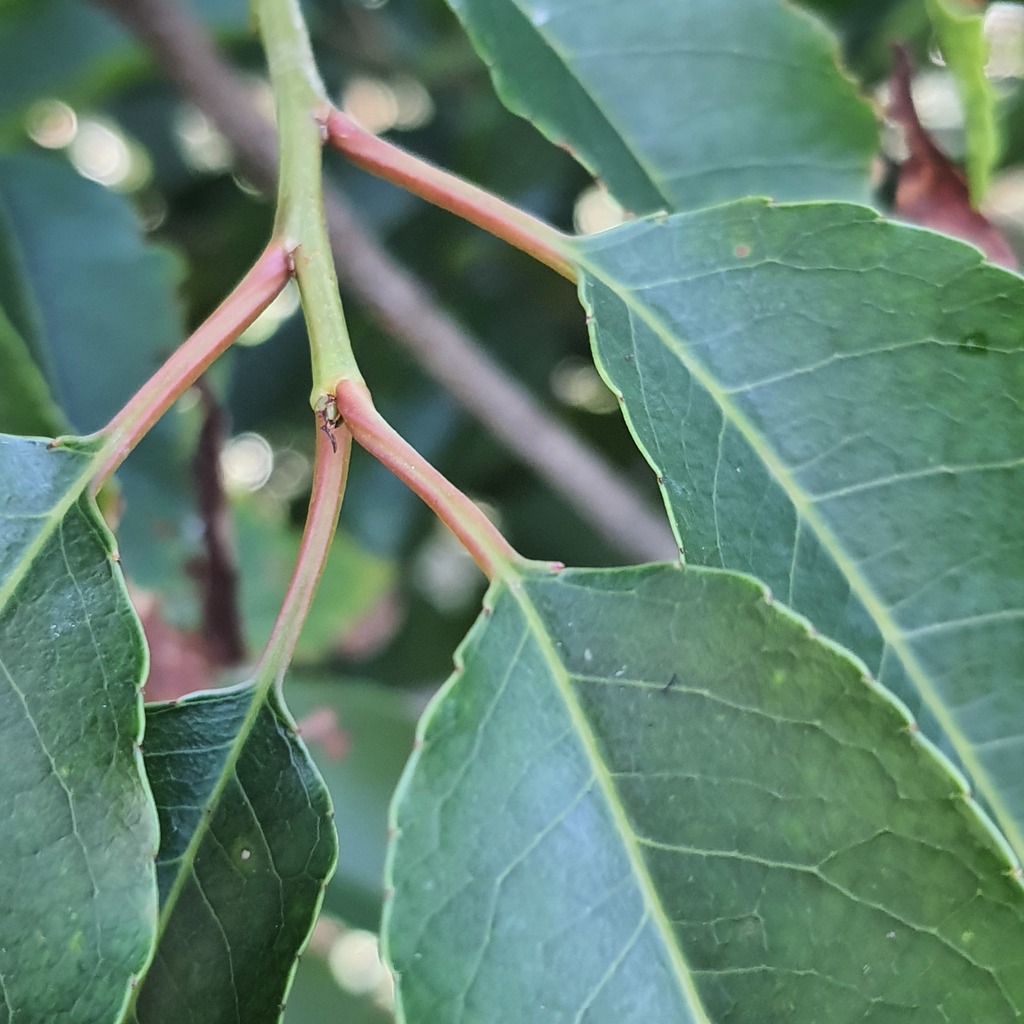
Quick facts
- Family: Rosaceae
- Difficulty: Demanding
- Watering: every 3 days
- Light: Full sun
- Temperature: 0–30 °C
- Toxicity: Toxic to pets
About African cherry
Prunus africana, commonly known as the African Cherry or Pygeum, is a majestic evergreen tree belonging to the Rosaceae family, native to the mountainous regions of sub-Saharan Africa. It can grow to considerable heights, featuring a dense canopy with glossy leaves and small, fragrant flowers, followed by red cherry-like fruits. It makes an excellent specimen for large gardens or as a shade tree in suitable climates, valued for both its beauty and traditional medicinal properties.
Native range
Sub-Saharan Africa, including mountainous regions of Madagascar and the islands of São Tomé and Príncipe
Care tips
It prefers full sun to partial shade and requires well-drained soil, rich in organic matter, and slightly acidic to neutral. Watering should be regular during the first few years to establish the tree, keeping the soil moist but not waterlogged; once established, it is quite drought-tolerant. It is crucial to protect it from severe frosts, especially when young, as it does not tolerate prolonged sub-zero temperatures. A common mistake is planting it in heavy, poorly drained soils, which can lead to root rot.
How to save a dying African cherry
- Warning signs
- Yellowing or wilting leaves, premature leaf drop, cracked bark or exudates.
- First aid
- Check soil drainage and moisture; prune dry or diseased branches.
- What kills it
- Constant waterlogging or prolonged drought. It's sensitive to both extremes.
- Can it be saved?
- Yes, if watering or drainage issues are corrected quickly and there's no severe trunk damage.