Himalayan cotoneaster (Cotoneaster simonsii)
Care, watering, light and tips for Himalayan cotoneaster on Floravia.
Quick facts
- Family: Rosaceae
- Difficulty: Easy to care for
- Watering: every 7 days
- Light: Full sun
- Temperature: 0–30 °C
- Toxicity: Toxic to pets
About Himalayan cotoneaster
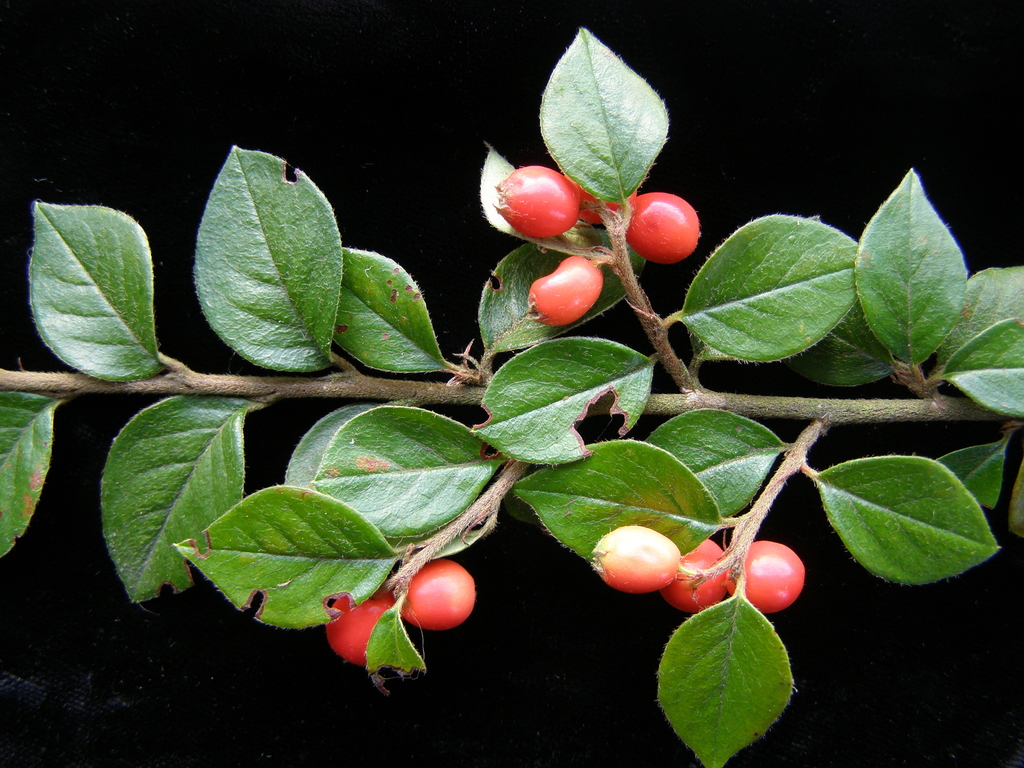
Cotoneaster simonsii, also known as Simons' Cotoneaster, is a deciduous or semi-deciduous shrub highly valued for its attractive orange-red berries that persist through winter and its foliage that turns reddish in autumn. It is ideal for hedges, borders, or as a specimen plant, adding color and vibrancy to the garden during the colder seasons.
Native range
Eastern Himalayas, from Tibet to Bhutan and Northeast India
Care tips
It prefers full sun to partial shade for better fruiting and autumn coloration. It is tolerant of a wide range of soils, as long as they are well-drained, and tolerates drought once established, though regular watering during dry periods will promote its growth. Avoid waterlogging, as it can lead to fungal diseases. Light pruning to maintain shape is sufficient, avoiding severe pruning that would reduce flowering and fruiting.
How to save a dying Himalayan cotoneaster
- Warning signs
- Wilting or falling leaves, dry shoots, lack of flowers or berries. May indicate water stress or disease.
- First aid
- Check soil moisture. If dry, water deeply. If wet, look for root rot. Prune dead branches.
- What kills it
- Overwatering (causes root rot) or complete lack of water during droughts. Also, unsuitable location (full shade).
- Can it be saved?
- Yes, if you act quickly. A well-cared-for Cotoneaster is resilient. Identify the cause and correct the problem.