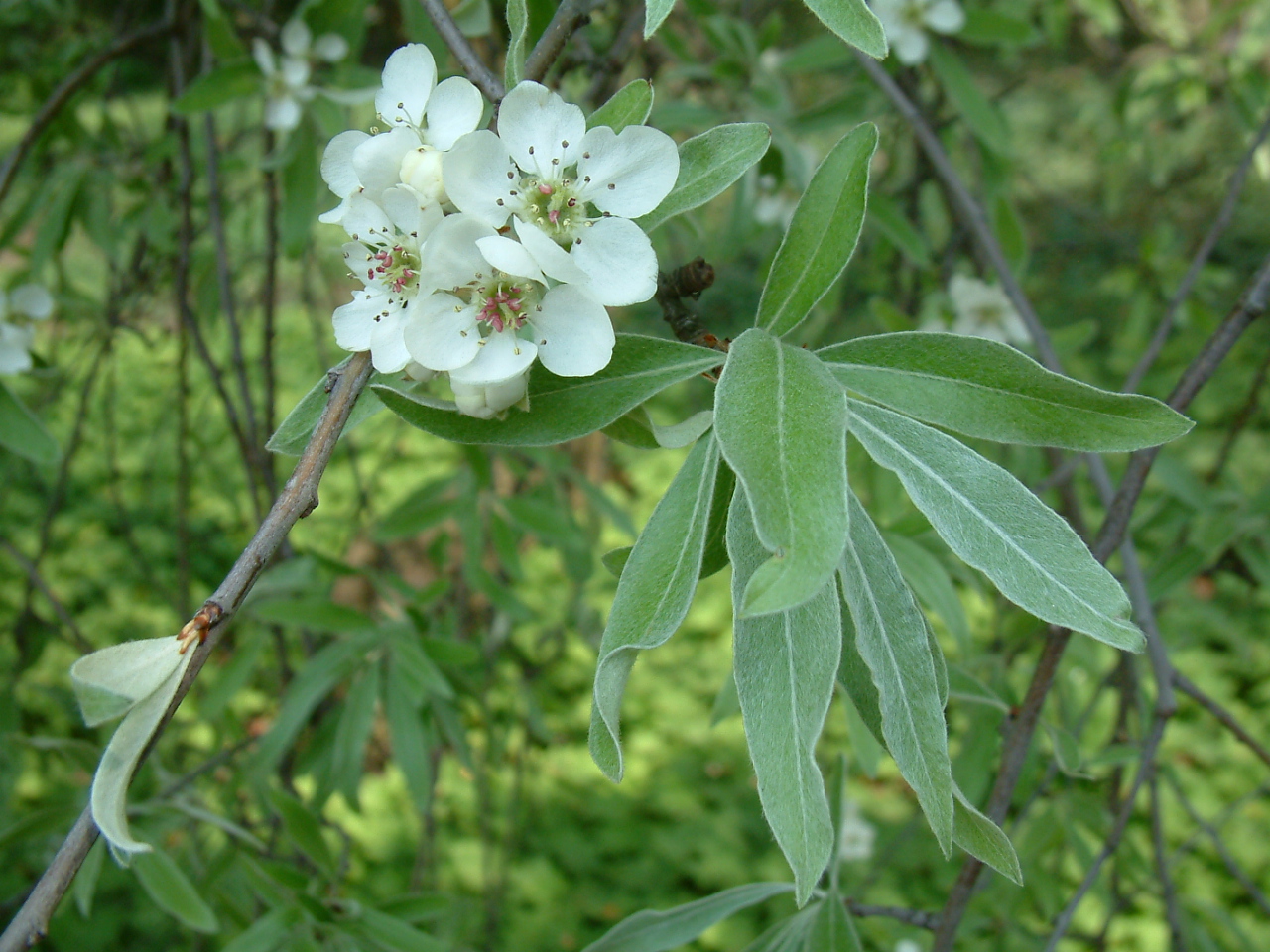
Willow-leaved pear (Pyrus salicifolia)
Care, watering, light and tips for Willow-leaved pear on Floravia.
Quick facts
- Family: Rosaceae
- Difficulty: Moderate care
- Watering: every 7 days
- Light: Full sun
- Temperature: 0–30 °C
- Toxicity: Toxic to pets
About Willow-leaved pear
Pyrus salicifolia, commonly known as the Willow-Leaved Pear, is a small to medium-sized ornamental tree, valued for its narrow, silvery foliage reminiscent of a willow. Its weeping branches and graceful form make it ideal for small gardens, as an accent tree, or in mixed borders where its texture and color beautifully contrast with other plants.
Native range
Eastern Europe and Western Asia
Care tips
It thrives in full sun for optimal foliage development and tolerates a wide range of soils, though it prefers well-drained ones. Once established, it is quite drought-tolerant, so watering should be moderate, avoiding waterlogging. A common mistake to avoid is overwatering, which can lead to root rot, and severe pruning that alters its natural weeping form.
How to save a dying Willow-leaved pear
- Warning signs
- Silvery, narrow leaves turning brown and dry, premature drop. Dry, brittle branches. Lack of new growth in spring.
- First aid
- Check soil drainage and moisture. Ensure full sun. Prune dry branches. Protect from strong winds if young.
- What kills it
- Overwatering in heavy soils. Excessive shade. Lack of protection from fungal diseases in humid environments.
- Can it be saved?
- Yes, if roots aren't rotted and main trunk is healthy. Act quickly to correct the environment.