Pear (Pyrus communis)
Care, watering, light and tips for Pear on Floravia.
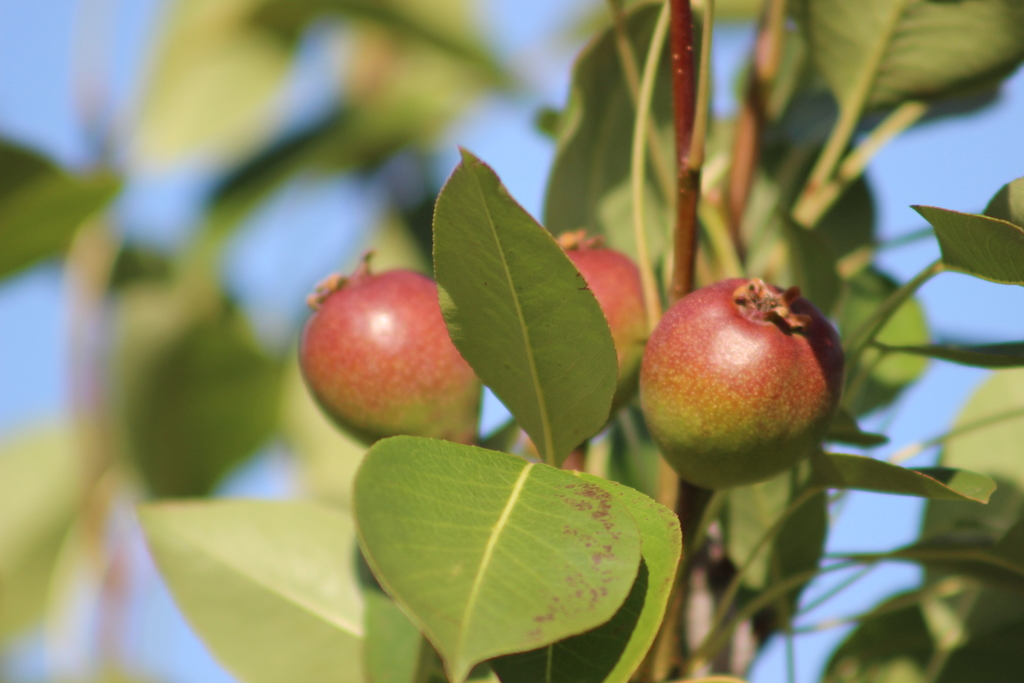
Quick facts
- Family: Rosaceae
- Difficulty: Demanding
- Watering: every 7 days
- Light: Full sun
- Temperature: 0–30 °C
- Toxicity: Toxic to pets
About Pear
Pyrus communis, commonly known as the common pear, is a deciduous fruit tree prized for its delicious fruits and attractive foliage. It features a spring bloom of white flowers that precedes the formation of pears, and in autumn its leaves can turn reddish or golden hues. It is ideal for medium to large gardens, orchards, or as a focal ornamental specimen.
Native range
Central and Eastern Europe, and Western Asia
Care tips
It requires full sun for optimal fruit production, at least 6-8 hours daily. The soil should be deep, well-drained, and rich in organic matter, with a slightly acidic to neutral pH; regular and deep watering is crucial, especially during flowering and fruit development, avoiding waterlogging. Winter pruning is essential to maintain the tree's shape, health, and stimulate fruiting; a common mistake is not protecting it from specific pear pests and diseases, such as fire blight.
How to save a dying Pear
- Warning signs
- Wilting or yellowing leaves, premature fruit/flower drop, cankers on bark, poor growth.
- First aid
- Check watering/drainage, prune diseased branches, apply fungicide if fungal, fertilize with potassium.
- What kills it
- Over/underwatering, heavy poorly drained soils, pests (aphids, pear psylla), fungal diseases.
- Can it be saved?
- Yes, if acted upon quickly. A well-cared pear tree is hardy, but prolonged stress is fatal.