Rubus adenotrichos
Care, watering, light and tips for Rubus adenotrichos on Floravia.
Quick facts
- Family: Rosaceae
- Difficulty: Easy to care for
- Watering: every 7 days
- Light: Full sun
- Temperature: 0–30 °C
About Rubus adenotrichos
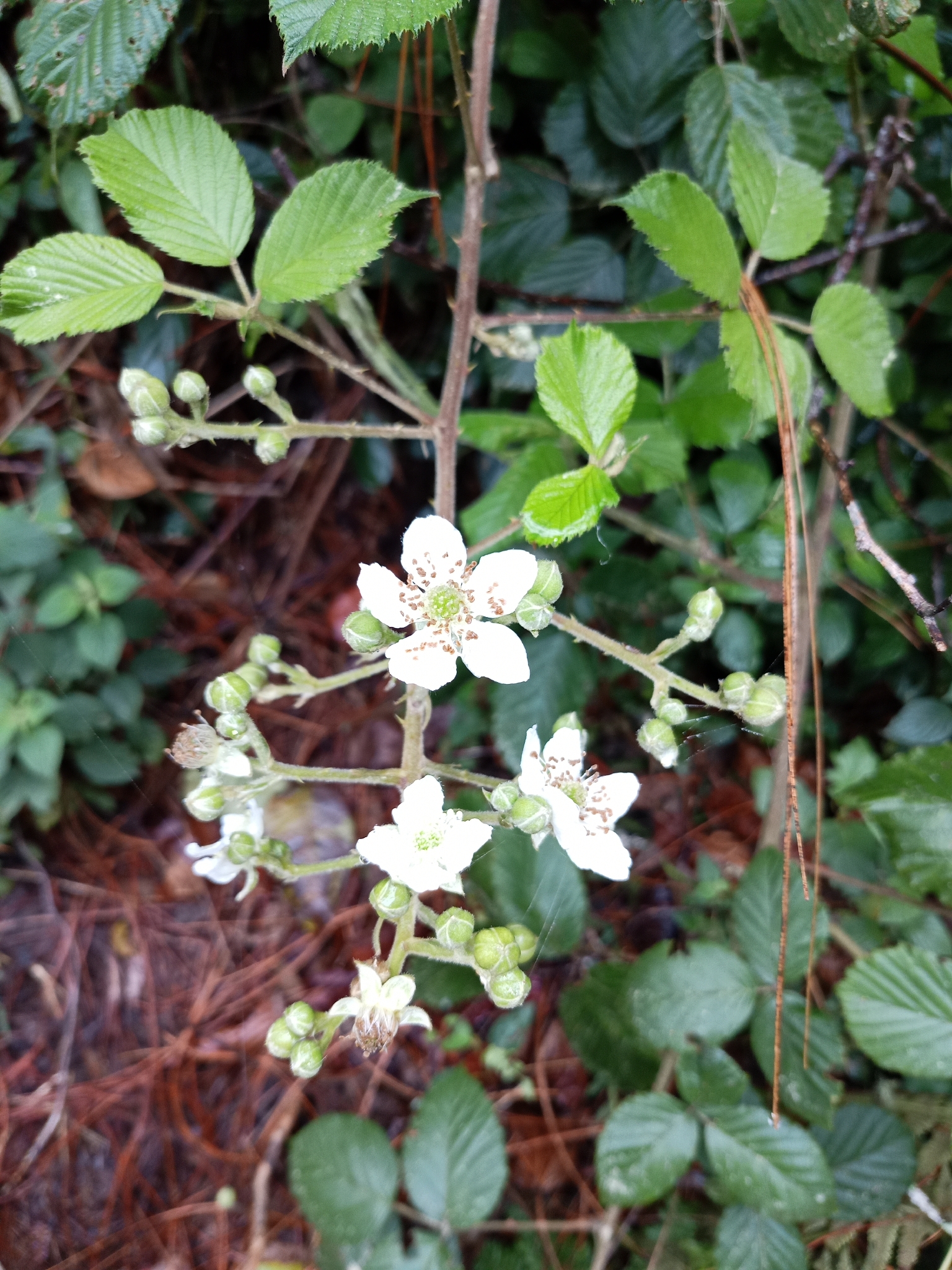
Rubus adenotrichos, commonly known as wild blackberry, is a thorny deciduous shrub from the Rosaceae family, valued for its edible fruits and hardiness. It features sprawling stems that can reach several meters in length, covered in thorns and palmate leaves. It is ideal for creating informal hedges, covering slopes, or as a wild plant in low-maintenance gardens, providing a rustic touch and delicious fruits.
Native range
Central America, from southern Mexico to Panama
Care tips
It prefers full sun to partial shade, thriving in a wide range of well-drained soils, although it benefits from substrates rich in organic matter. Watering should be regular during fruiting and dry periods, but it tolerates some drought once established. Avoid waterlogging, as it can lead to root rot; a common mistake is not pruning old canes (those that have already fruited) annually, which reduces fruit production.
How to save a dying Rubus adenotrichos
- Warning signs
- Yellowing or spotted leaves, loss of vigor, dry tips, and wilting. Blackberries are tough, but prolonged neglect weakens them.
- First aid
- Check soil: if very dry, water deeply. If waterlogged, improve drainage. Prune dry or diseased branches to encourage new growth.
- What kills it
- Lack of watering during prolonged drought or overly compacted soil. Also, lack of renewal pruning can suffocate it.
- Can it be saved?
- Yes, with high probability! They are very resilient. Act quickly with watering and pruning, and it will recover. It needs sun and space.