Scarlet hawthorn (Crataegus coccinea)
Care, watering, light and tips for Scarlet hawthorn on Floravia.
Quick facts
- Family: Rosaceae
- Difficulty: Moderate care
- Watering: every 7 days
- Light: Full sun
- Temperature: 0–30 °C
- Toxicity: Toxic to pets
About Scarlet hawthorn
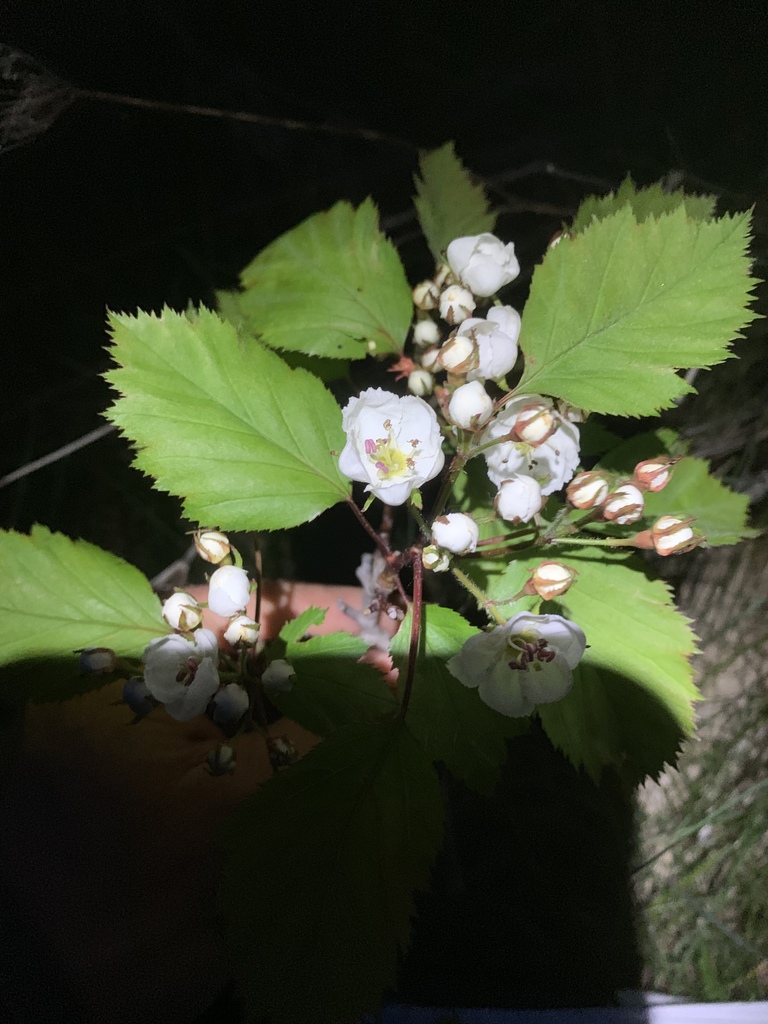
Crataegus coccinea, commonly known as Scarlet Hawthorn, is a small tree or large shrub native to North America, valued for its spectacular white spring blossoms and bright red berries in autumn, which persist well into winter. Its dark green foliage turns bronze and purple hues in autumn, offering great seasonal interest. It is ideal as a specimen plant, in ornamental hedges, or in wildlife gardens, attracting birds.
Native range
Eastern North America
Care tips
It prefers full sun exposure for best flowering and fruiting, although it tolerates some partial shade. Watering should be moderate, allowing the substrate to dry slightly between waterings, and more abundant during dry periods. It adapts to a wide range of soils, provided they are well-drained, preferring those rich in organic matter. A common mistake is not pruning to shape or remove dead branches, which can affect its health and blooming.
How to save a dying Scarlet hawthorn
- Warning signs
- Wilted or dry leaves, premature fruit drop, brittle branches.
- First aid
- Check watering, ensure good soil drainage. Protect from extreme summer sun.
- What kills it
- Overwatering or poor drainage suffocates roots. Also prolonged drought in dry summers.
- Can it be saved?
- Yes, if roots aren't completely rotted. Act quickly by correcting watering and drainage.