Cotoneaster tomentosus
Care, watering, light and tips for Cotoneaster tomentosus on Floravia.
Quick facts
- Family: Rosaceae
- Difficulty: Easy to care for
- Watering: every 7 days
- Light: Full sun
- Temperature: 0–30 °C
- Toxicity: Toxic to pets
About Cotoneaster tomentosus
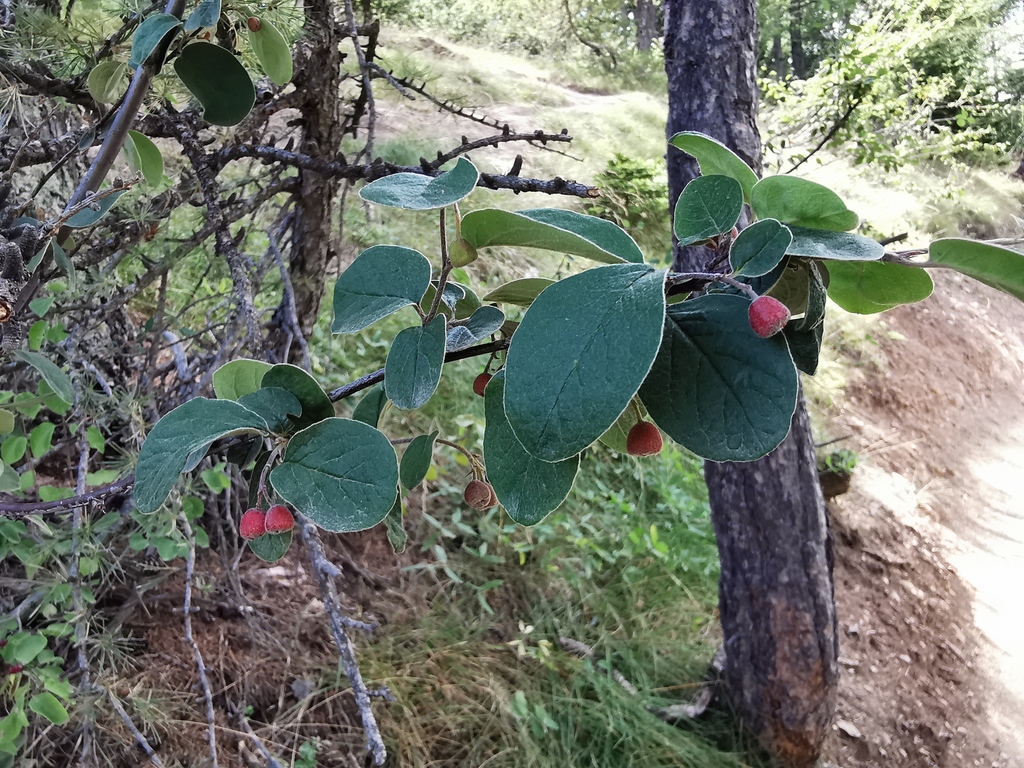
Cotoneaster tomentosus, commonly known as Woolly Cotoneaster, is a medium-sized deciduous or semi-deciduous shrub valued for its velvety foliage and bright red berries that persist into autumn and winter. Its leaves are dark green on the upper side and tomentose (covered with white hairs) on the underside, giving it a distinctive appearance. It is ideal for informal hedges, shrub borders, or as a standalone specimen in low-maintenance gardens.
Native range
Central and Southern Europe, and Western Asia
Care tips
It prefers full sun to partial shade exposure and adapts to a wide range of soils, as long as they are well-drained. Watering should be moderate, allowing the substrate to dry out slightly between waterings, especially once established. Avoid waterlogging, as it is susceptible to root rot. A common mistake is excessive pruning, which can reduce flowering and fruiting; limit yourself to formative pruning or removing dead or damaged branches.
How to save a dying Cotoneaster tomentosus
- Warning signs
- Pale, yellowing, or spotted leaves, premature leaf drop, weak or no new growth. May indicate water stress, pests, or diseases.
- First aid
- Check watering (neither waterlogged nor dry), look for pests (spider mites, aphids) and diseases (powdery mildew, rust). Prune dry or diseased branches to stimulate new growth.
- What kills it
- Prolonged waterlogging causing root rot. Also severe drought stress and exposure to late frosts without protection.
- Can it be saved?
- Yes, if caught early. Good drainage, adequate watering, and pest/disease control are key to recovery. Sanitation pruning helps.