Midland hawthorn (Crataegus laevigata)
Care, watering, light and tips for Midland hawthorn on Floravia.
Quick facts
- Family: Rosaceae
- Difficulty: Easy to care for
- Watering: every 7 days
- Light: Full sun
- Temperature: 0–30 °C
- Toxicity: Toxic to pets
About Midland hawthorn
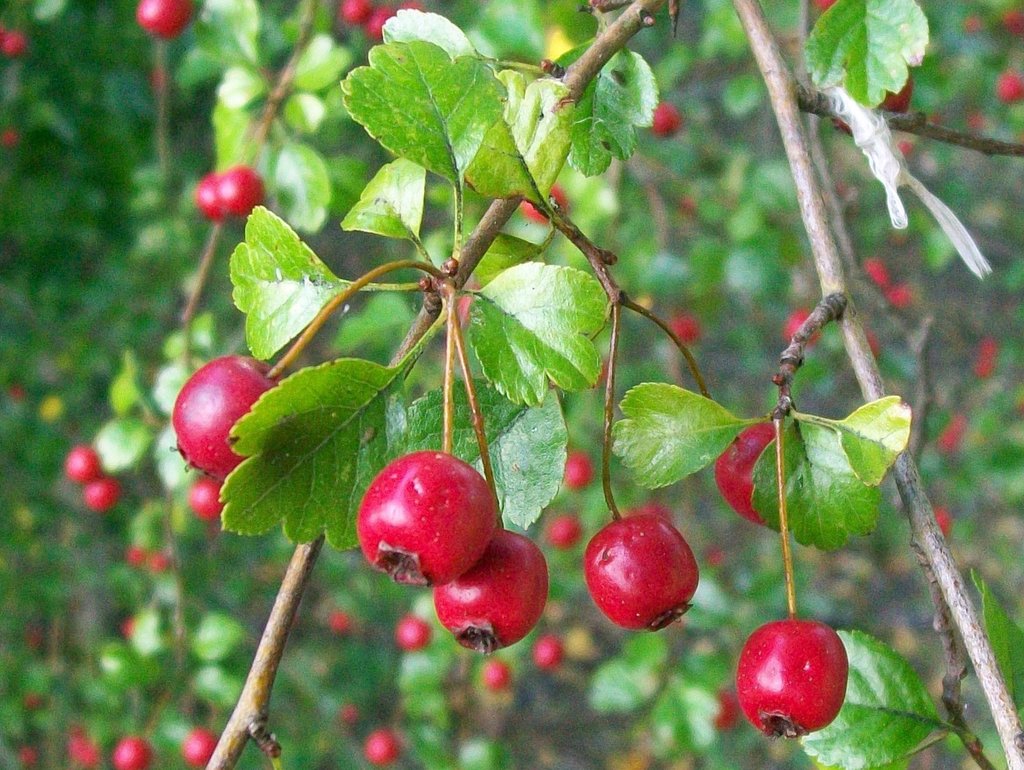
Crataegus laevigata, commonly known as Hawthorn or Midland Hawthorn, is a deciduous small tree or large shrub from the Rosaceae family, valued for its white or pink blossoms in spring and bright red berries in autumn. Its dense branching and manageable size make it ideal for hedging, as a standalone specimen in small gardens, or for bonsai. It offers significant seasonal appeal and is an excellent choice for wildlife.
Native range
Europe and Northwest Africa
Care tips
It thrives in full sun to partial shade for optimal flowering and fruiting, tolerating a wide range of soils as long as they are well-drained. Watering should be moderate, allowing the substrate to dry out slightly between waterings, though it is quite drought-tolerant once established. Avoid waterlogging, as it can lead to fungal diseases. A common mistake is excessive and uncontrolled pruning, which can negatively affect the tree's natural shape and bloom.
How to save a dying Midland hawthorn
- Warning signs
- Yellowish or brown leaves falling prematurely, lack of flowering, dry branches or cankers.
- First aid
- Check soil drainage and moisture. Prune dead or diseased branches. Ensure good air circulation.
- What kills it
- Constant waterlogging leading to root rot or severe, prolonged water stress.
- Can it be saved?
- Yes, if acted upon quickly. Identify and correct the cause before extensive rot occurs.