Bramble (Rubus fruticosus)
Care, watering, light and tips for Bramble on Floravia.
Quick facts
- Family: Rosaceae
- Difficulty: Easy to care for
- Watering: every 4 days
- Light: Full sun
- Temperature: 0–30 °C
About Bramble
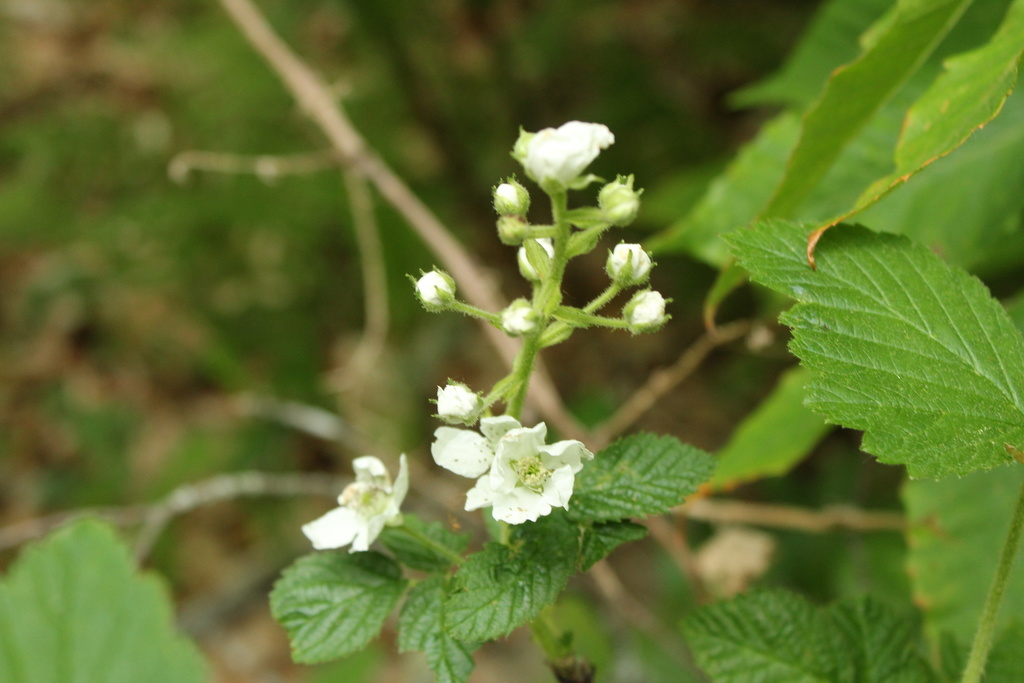
The common blackberry (Rubus fruticosus) is a deciduous or semi-deciduous shrub, recognized by its thorny stems and delicious black berries. Its white or pink flowers, appearing in spring, add an ornamental touch before yielding to the fruits. It is ideal for edible hedges, covering slopes, or as a wild plant in natural-style gardens, although its vigorous growth requires management.
Native range
Europe, northwest Africa, temperate Asia
Care tips
It prefers full sun exposure for optimal fruit production, though it tolerates partial shade. It requires well-drained soil, rich in organic matter, and slightly acidic to neutral, with regular watering, especially during flowering and fruiting, avoiding waterlogging. Annual pruning is crucial to control its growth, improve production, and remove old or damaged canes. A common mistake is not pruning, which leads to uncontrolled growth and reduced fruit yield.
How to save a dying Bramble
- Warning signs
- Yellowish/reddish, wilted leaves, small dry berries, weak/dry stems.
- First aid
- Prune dead/diseased stems. Check watering (keep soil moist, not waterlogged). Apply balanced fruit fertilizer.
- What kills it
- Prolonged drought (especially during fruiting) or constant waterlogging causing root rot. Lack of pruning.
- Can it be saved?
- Yes! They are very resilient. Act fast with proper watering, pruning, and nutrients. Observe for new growth.