Mexican hawthorn (Crataegus puberis)
Care, watering, light and tips for Mexican hawthorn on Floravia.
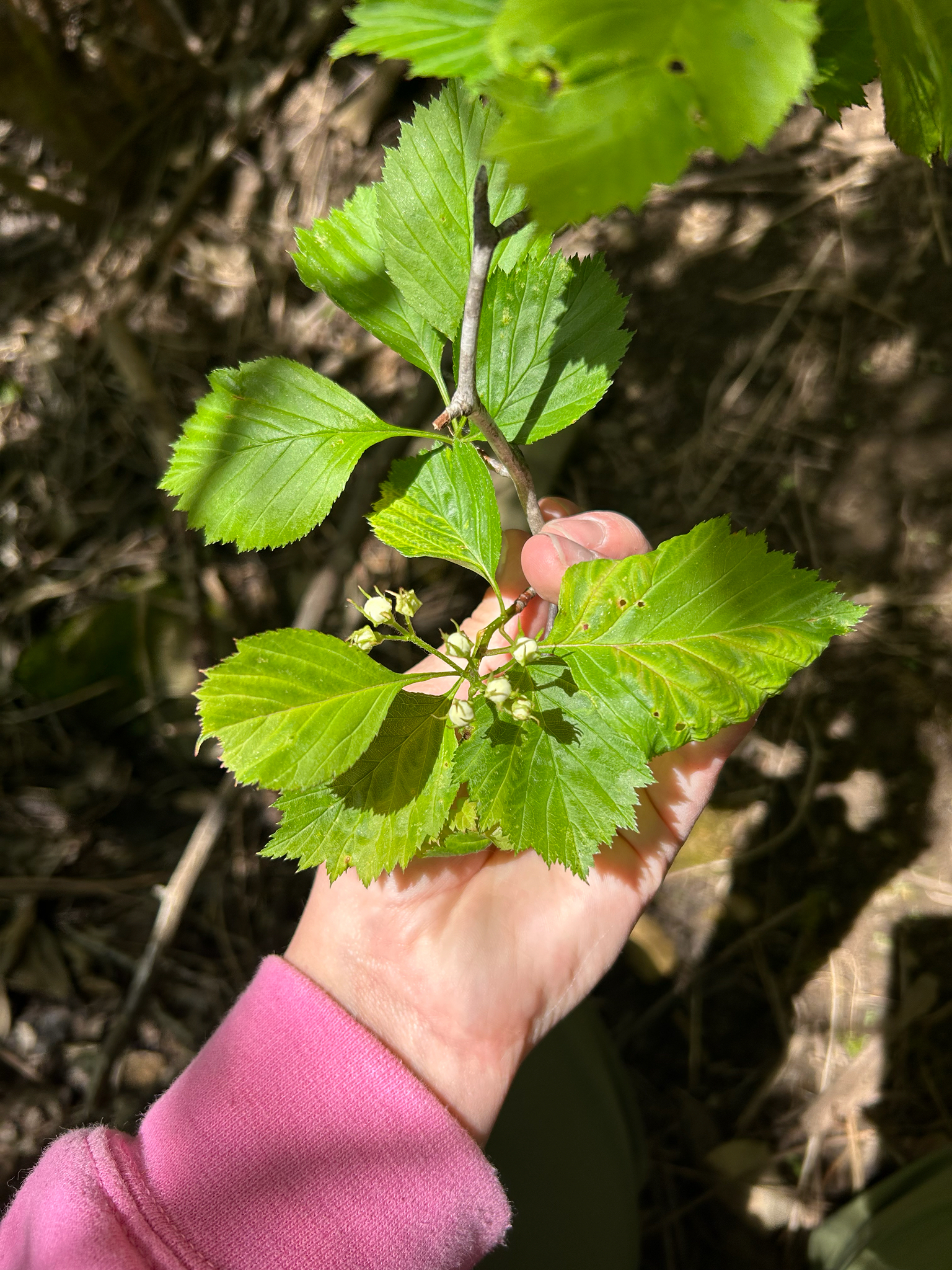
Quick facts
- Family: Rosaceae
- Difficulty: Easy to care for
- Watering: every 7 days
- Light: Full sun
- Temperature: 0–30 °C
- Toxicity: Toxic to pets
About Mexican hawthorn
Crataegus pubescens, commonly known as tejocote or manzanita, is a deciduous tree or shrub native to Mexico and Central America, valued for its dense foliage, white spring flowers, and small, edible yellow-orange fruits. Its compact and thorny habit makes it ideal for defensive hedges, path borders, or as a standalone specimen in rustic gardens. Its fruits are not only decorative but also used in local cuisine for sweets and beverages.
Native range
Mexico and the southwestern United States.
Care tips
It prefers full sun exposure for optimal flowering and fruiting, though it tolerates partial shade. It is quite drought-tolerant once established but benefits from regular watering during dry periods, especially in its early years. It adapts to a wide range of soils, provided they have good drainage, with slightly acidic to neutral loamy or clay soils being most suitable. Avoid waterlogging, as it is susceptible to fungal diseases in excessively humid conditions.
How to save a dying Mexican hawthorn
- Warning signs
- Yellowish or brown leaves, wilted and dull. Premature fruit drop. Dry branches.
- First aid
- Check drainage and soil moisture. Prune dry or diseased branches. Protect from pests.
- What kills it
- Excessive moisture and poor drainage, which promote fungal diseases in its roots.
- Can it be saved?
- Yes, if you act quickly and correct watering and soil conditions. It's a resilient species.