Baru nut (Dipteryx alata)
Care, watering, light and tips for Baru nut on Floravia.
Quick facts
- Family: Fabaceae
- Difficulty: Moderate care
- Watering: every 5 days
- Light: Full sun
- Temperature: 5–35 °C
- Toxicity: Toxic to pets
About Baru nut
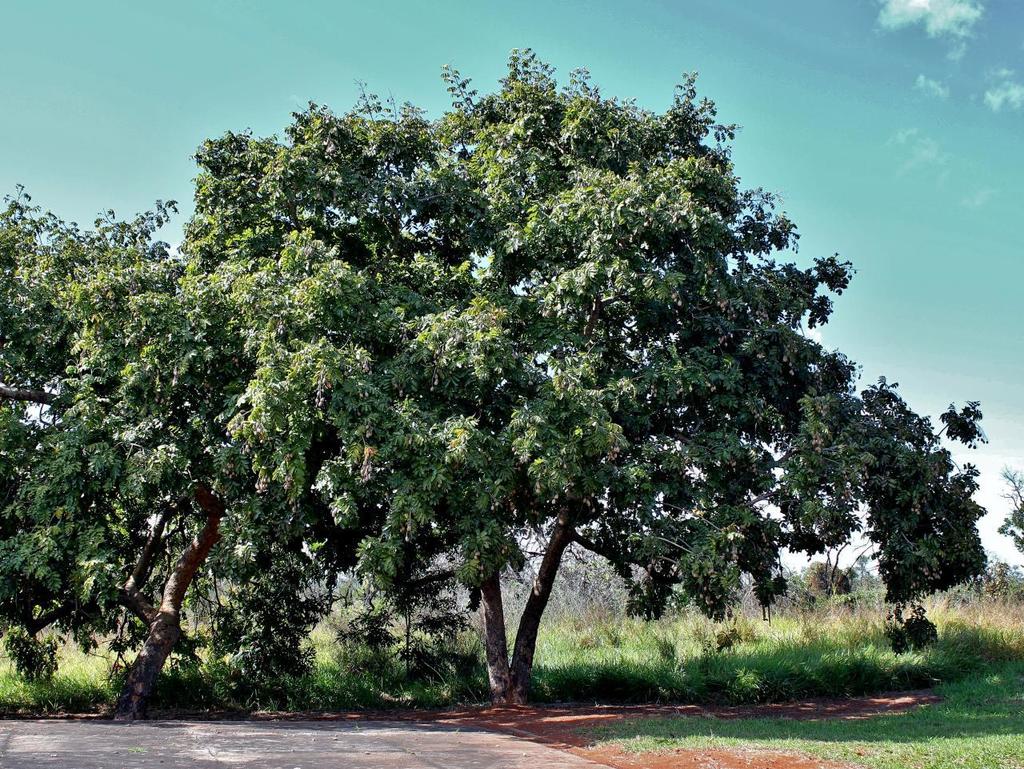
Dipteryx alata, commonly known as Almendro de Indias or Cumaru, is a majestic tree from the Fabaceae family, native to the tropical savannas of South America. It stands out for its dense, rounded canopy and its pink or purple flowers that give way to woody fruits with edible seeds. It is an excellent choice for reforestation projects, landscaping in parks and large gardens, or as a shade tree on farms.
Native range
Brazilian Cerrado and dry forests of Bolivia and Paraguay
Care tips
It prefers full sun exposure for optimal growth and abundant flowering. Watering should be regular during the first few years, especially in dry periods, but once established, it is quite drought-resistant. It needs well-drained soil, preferably sandy or sandy loam, and tolerates poor soils. Avoid prolonged waterlogging, as it can lead to root diseases.
How to save a dying Baru nut
- Warning signs
- Yellow or brown falling leaves, slow or no growth, cracked or oozing trunk.
- First aid
- Check watering (avoid waterlogging), ensure good sunlight, and well-drained soil. Treat pests if present.
- What kills it
- Overwatering and lack of direct sunlight. Also heavy, poorly drained soils.
- Can it be saved?
- Yes, if the problem is corrected in time and there's no severe trunk or root damage.