Logwood (Haematoxylum campechianum)
Care, watering, light and tips for Logwood on Floravia.
Quick facts
- Family: Fabaceae
- Difficulty: Moderate care
- Watering: every 7 days
- Light: Full sun
- Temperature: 5–35 °C
About Logwood
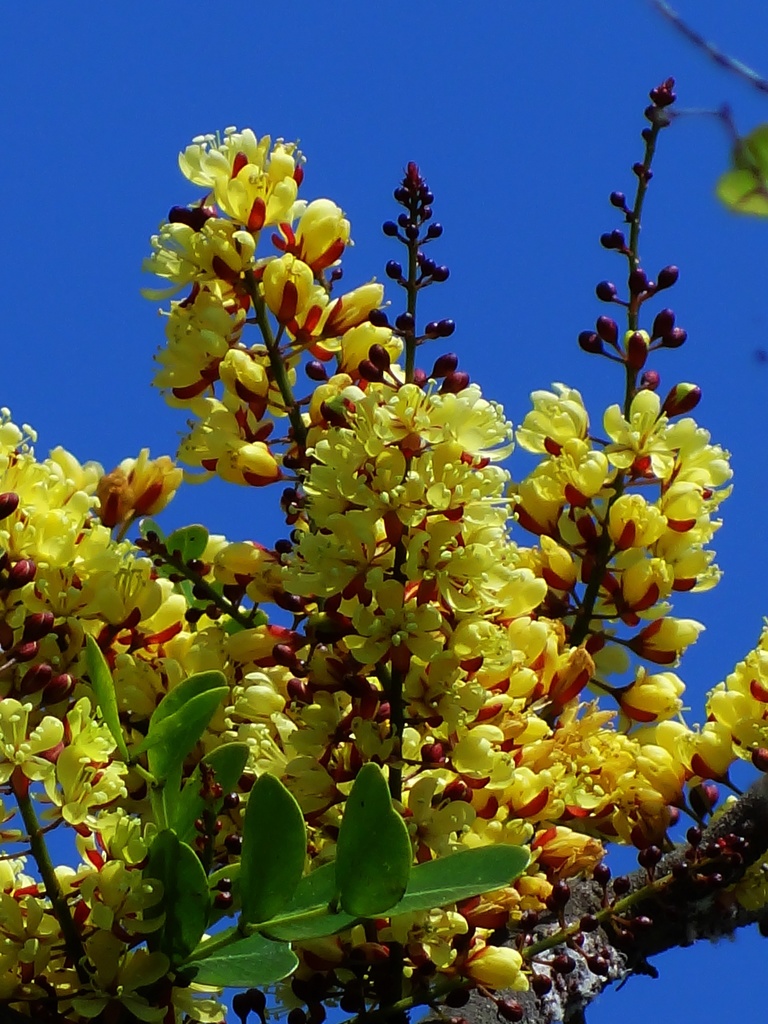
Haematoxylum campechianum, commonly known as Logwood or Bloodwood tree, is a medium to large-sized tree native to Central America, renowned for its reddish wood historically used for dye production. It features a dense canopy and an often twisted trunk, with pinnate leaves and fragrant yellow flowers. It is ideal for botanical gardens or large spaces where a tree with history and ornamental value is desired.
Native range
Mexico and Central America
Care tips
It prefers full sun exposure and well-drained soils, although it is adaptable to a variety of edaphic conditions. It is drought-tolerant once established, so watering should be moderate, allowing the substrate to dry out between waterings. In colder climates, it must be protected from frost, as it is not tolerant of it. A common mistake is overwatering, which can lead to root rot.
How to save a dying Logwood
- Warning signs
- Yellowish or whitish leaves, premature leaf drop, stunted growth, cracked or spotted bark.
- First aid
- Check drainage and soil moisture. Ensure full sun exposure. Protect from severe frosts. Check for pests.
- What kills it
- Overwatering (causes root rot) and lack of direct sunlight. Also prolonged frosts.
- Can it be saved?
- Yes, if roots are not completely rotted and it receives proper care in time.