Honey locust (Gleditsia triacanthos)
Care, watering, light and tips for Honey locust on Floravia.
Quick facts
- Family: Fabaceae
- Difficulty: Easy to care for
- Watering: every 5 days
- Light: Full sun
- Temperature: 5–35 °C
- Toxicity: Toxic to pets
About Honey locust
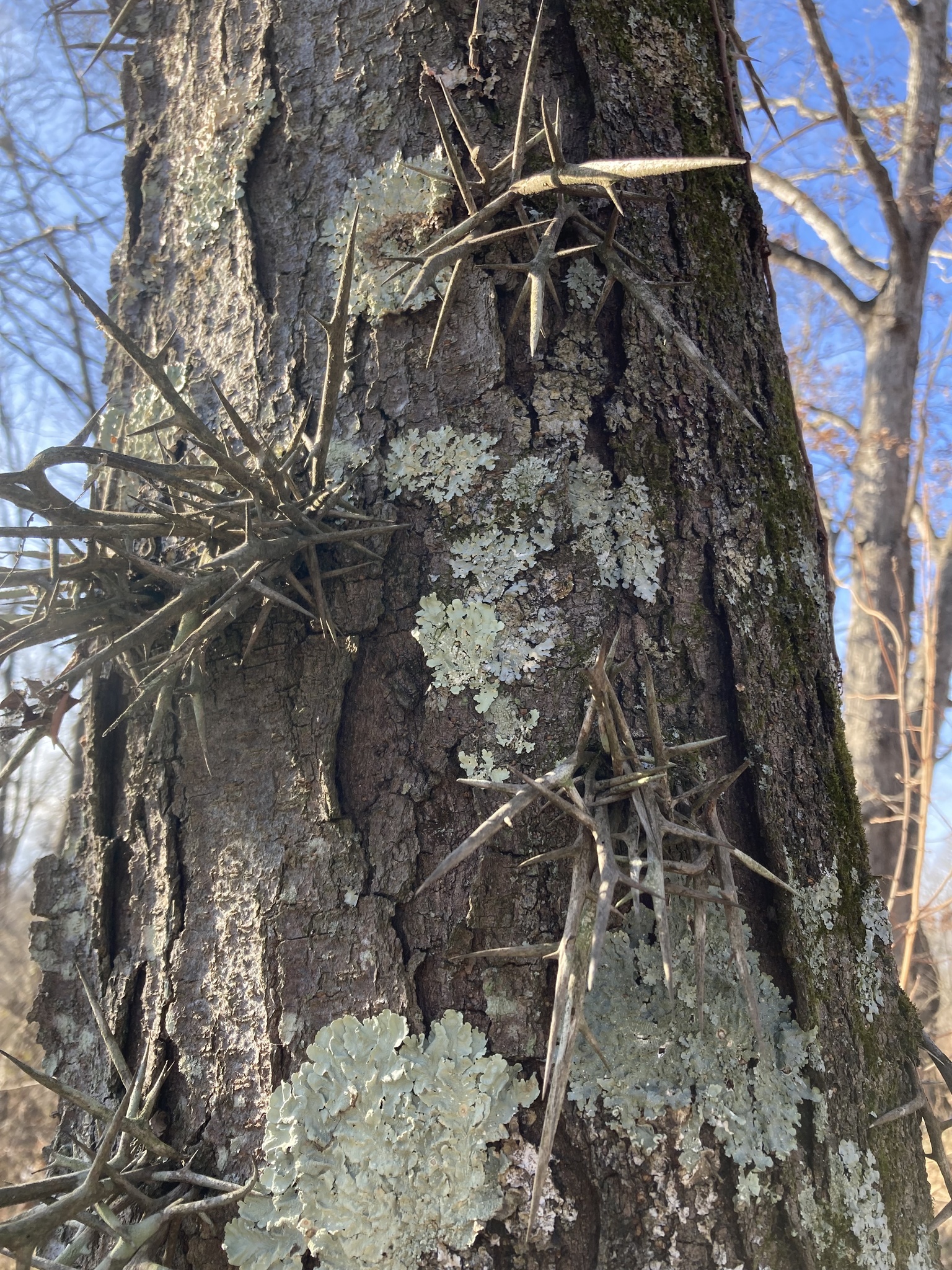
Gleditsia triacanthos, commonly known as Honey Locust or Three-thorned Acacia, is a medium to large deciduous tree, distinguished by its rapid growth, airy foliage, and adaptability. It features pinnate leaves that provide dappled shade and an attractive golden-yellow color in autumn. It is ideal as a shade tree in parks, large gardens, or avenues, offering architectural interest with its often thorny branches.
Native range
Eastern North America
Care tips
This species thrives in full sun, requiring at least 6 hours of direct light daily for optimal development. It tolerates a wide range of soils, from sandy to clay, as long as they are well-drained; once established, it is quite drought-tolerant. During the first few years, regular watering is beneficial, but avoid waterlogging, as it can lead to root rot. A common mistake is planting it in confined spaces, as its roots can be invasive and its thorns (in non-thornless varieties) can be hazardous.
How to save a dying Honey locust
- Warning signs
- Yellowing or browning leaves falling prematurely, dry or brittle branches, stunted growth.
- First aid
- Check drainage and watering (ensure moisture, not waterlogging). Fertilize if nutrient deficient. Prune dead branches.
- What kills it
- Constant waterlogging (root rot) or prolonged drought when young. Lack of light.
- Can it be saved?
- Yes, if roots aren't completely rotted and main trunk is healthy. Act quickly.