Succulent lupine (Lupinus affinis)
Care, watering, light and tips for Succulent lupine on Floravia.
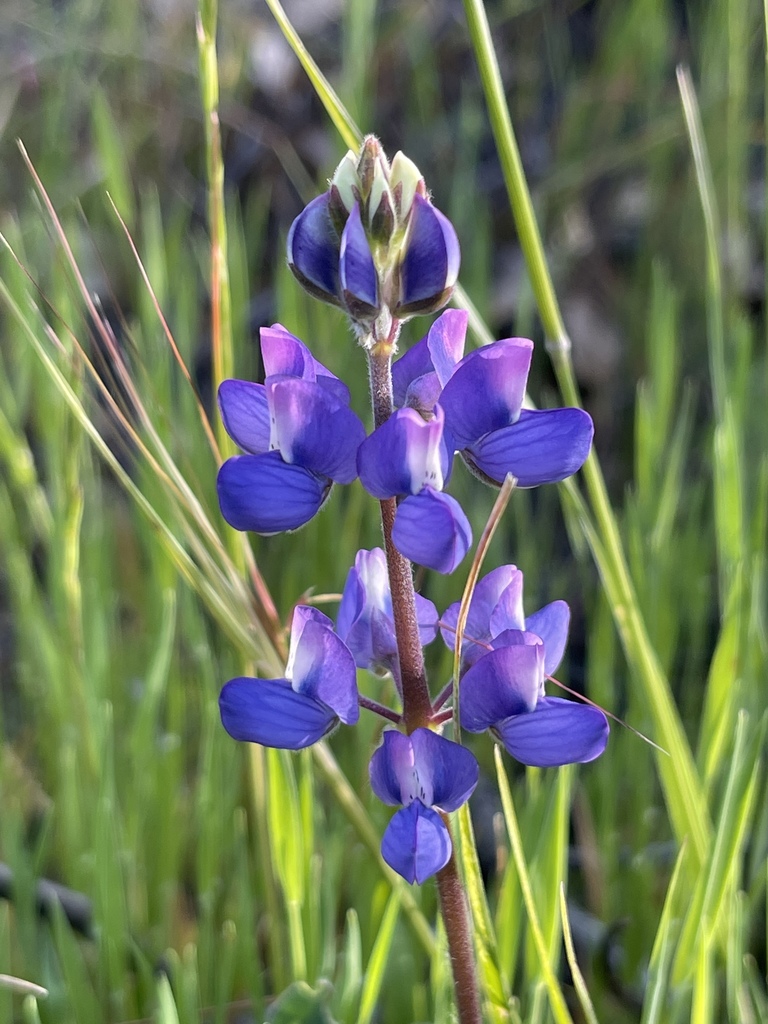
Quick facts
- Family: Fabaceae
- Difficulty: Moderate care
- Watering: every 5 days
- Light: Full sun
- Temperature: 5–35 °C
- Toxicity: Toxic to pets
About Succulent lupine
Lupinus affinis, commonly known as fleshy lupine, is an annual plant native to California, recognized for its spikes of purple or bluish-violet flowers. Its grayish-green foliage and compact form make it ideal for garden borders, rock gardens, or as a filler plant in flower beds, adding a wild and colorful touch.
Native range
Western North America, from southern Oregon to Baja California
Care tips
It requires full sun for abundant flowering and well-drained soil, preferably sandy or loamy-sandy, as it is susceptible to waterlogging. Watering should be moderate, allowing the substrate to dry slightly between waterings, and it is crucial to avoid excessive moisture to prevent root rot. A common mistake is planting it in heavy or clay soils, which hinders its development.
How to save a dying Succulent lupine
- Warning signs
- Yellowing or wilting leaves, soft stems, poor or no flowering, stunted growth. Soft, dark roots.
- First aid
- Check drainage. If potted, repot into fresh, well-draining soil. If in ground, improve drainage with organic matter. Reduce watering.
- What kills it
- Waterlogging is its worst enemy. Overwatering suffocates roots and causes rot. Also heavy, poorly draining soil.
- Can it be saved?
- Yes, if you act quickly. If roots aren't completely rotted, it can recover with good drainage and moderate watering.