Lupinus linearis
Care, watering, light and tips for Lupinus linearis on Floravia.
Quick facts
- Family: Fabaceae
- Difficulty: Moderate care
- Watering: every 5 days
- Light: Full sun
- Temperature: 5–35 °C
- Toxicity: Toxic to pets
About Lupinus linearis
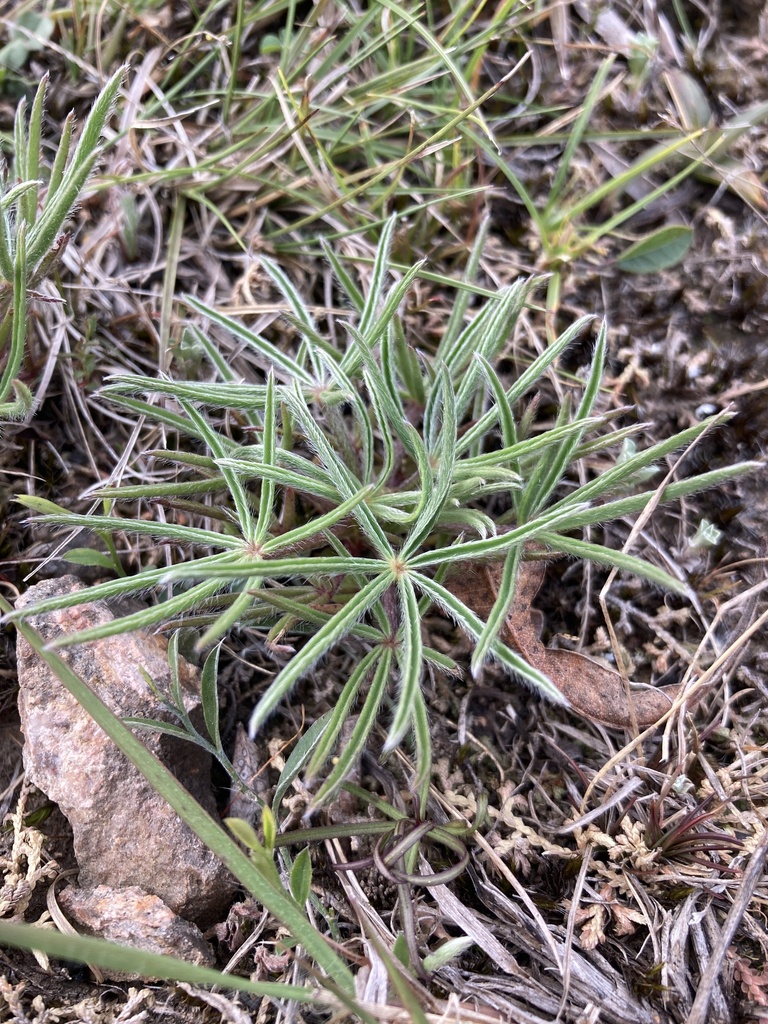
Lupinus linearis, commonly known as lupine, is an annual or perennial herbaceous plant from the Fabaceae family, valued for its showy spikes of flowers in various colors, ranging from deep blue to white, pink, and purple. Its leaves are palmate, composed of narrow, linear leaflets, hence its specific name. It's an excellent choice for borders, flower beds, or as part of a cottage garden, adding verticality and a wild touch.
Native range
Iberian Peninsula, Northwest Africa
Care tips
It requires full sun for abundant flowering and vigorous growth. Watering should be moderate, allowing the substrate to dry out slightly between waterings, and it's crucial to avoid waterlogging as it is susceptible to root rot. It prefers well-drained, slightly acidic to neutral soils, and is not demanding in nutrients, benefiting from sandy or loamy substrate. A common mistake is planting it in heavy, poorly drained soils, which will seriously compromise its health.
How to save a dying Lupinus linearis
- Warning signs
- Yellowing or wilting leaves (lack of water), brown spots (fungi from excess humidity).
- First aid
- Check watering; if dry, hydrate. If wet, improve drainage. Remove affected leaves.
- What kills it
- Waterlogging and heavy soils that rot roots. Also prolonged drought.
- Can it be saved?
- Yes, if you act quickly. Good drainage and proper watering are key to its recovery.