Lupinus rubriflorus
Care, watering, light and tips for Lupinus rubriflorus on Floravia.
Quick facts
- Family: Fabaceae
- Difficulty: Moderate care
- Watering: every 7 days
- Light: Full sun
- Temperature: 5–35 °C
- Toxicity: Toxic to pets
About Lupinus rubriflorus
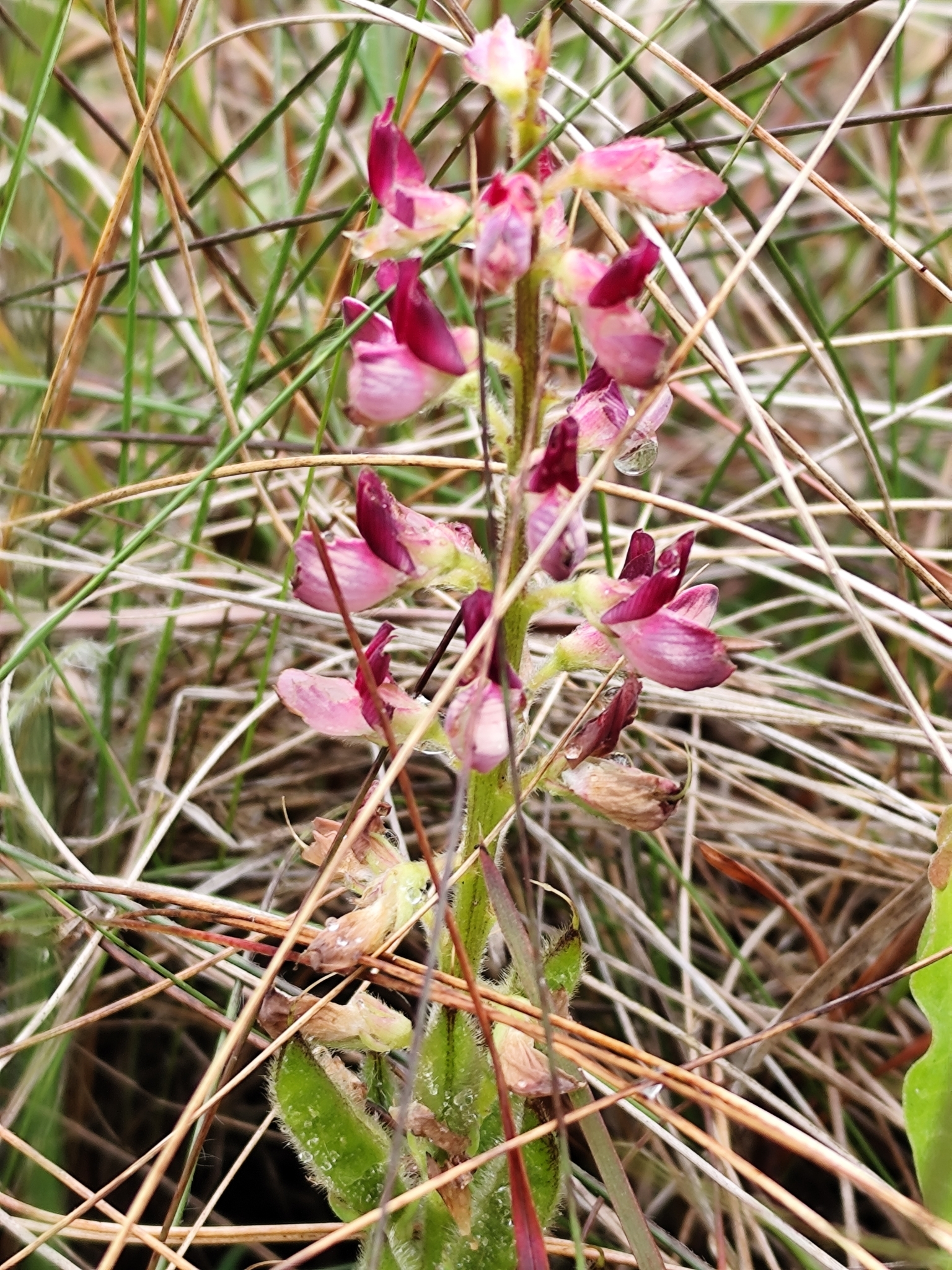
Lupinus rubriflorus, commonly known as lupine or tremoço, is an annual herbaceous legume native to the Iberian Peninsula. It is notable for its dense, upright flower spikes of intense red, adding a vibrant touch to gardens and flower beds. It is ideal for planting in borders or as an ornamental plant in sunny beds, attracting pollinators.
Native range
Iberian Peninsula and Northwest Africa
Care tips
It requires full sun for optimal flowering and well-drained soil, preferably sandy and slightly acidic. Watering should be moderate, allowing the top layer of the substrate to dry between waterings, and it is crucial to avoid waterlogging as it is susceptible to root rot. A common mistake is attempting to transplant mature lupines, as they do not tolerate root disturbance well; it is best to sow directly in their final location.
How to save a dying Lupinus rubriflorus
- Warning signs
- Yellowing or wilting leaves, no flowering, soft stems.
- First aid
- Check drainage, reduce watering, move to partial shade. Deadhead spent flowers.
- What kills it
- Overwatering and heavy soils that waterlog roots. Also lack of light.
- Can it be saved?
- Yes, if roots are not rotten and excess moisture is corrected promptly.