Lupinus guaraniticus
Care, watering, light and tips for Lupinus guaraniticus on Floravia.
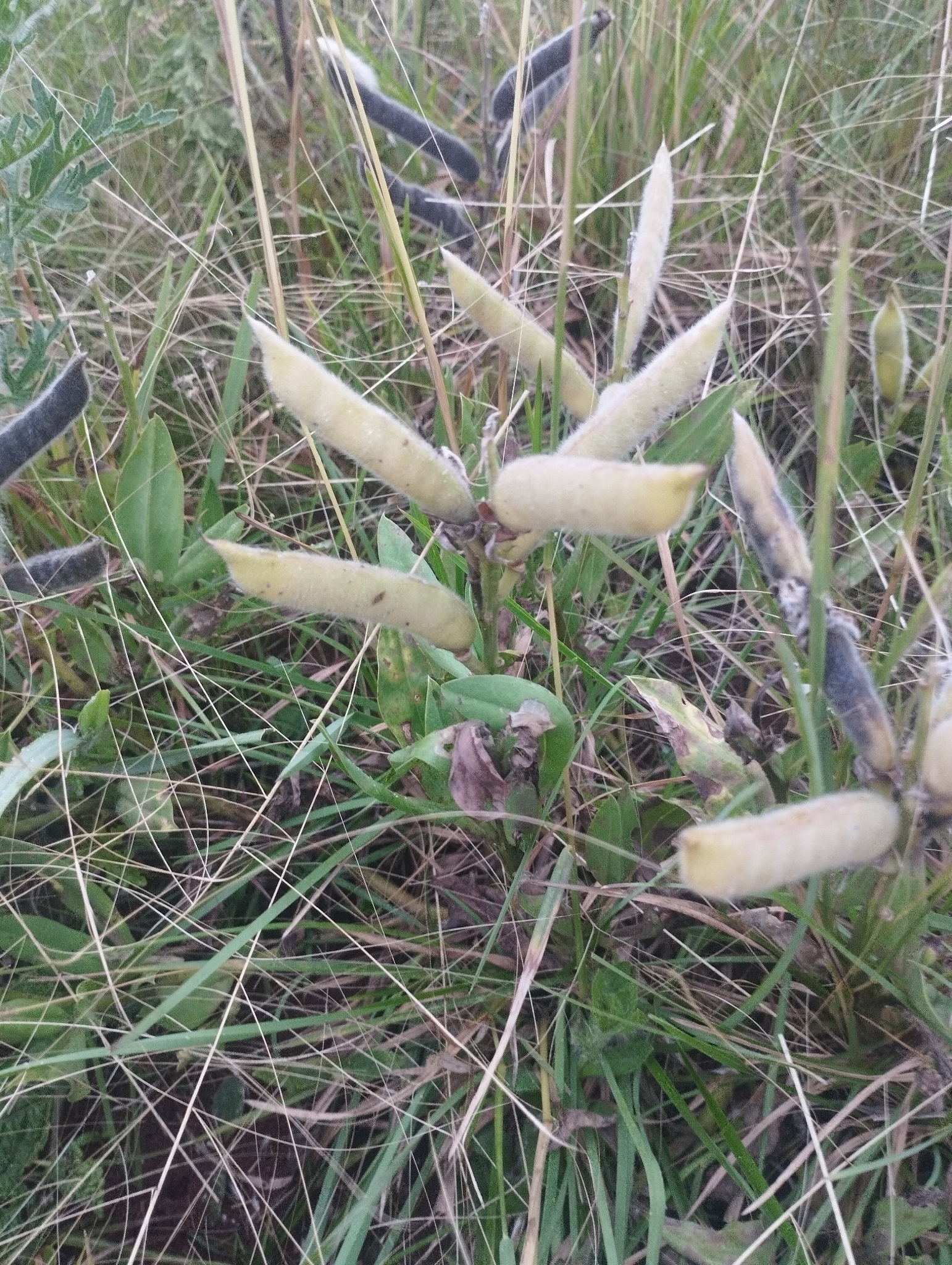
Quick facts
- Family: Fabaceae
- Difficulty: Moderate care
- Watering: every 5 days
- Light: Full sun
- Temperature: 5–35 °C
- Toxicity: Toxic to pets
About Lupinus guaraniticus
Lupinus guaraniticus, commonly known as tremoço or Guaraní lupine, is an annual or biennial herbaceous plant belonging to the Fabaceae family, native to South America. It is characterized by its dense and showy spike-like inflorescences, which can vary in color from deep blue and violet to pale white or pink, creating an attractive focal point in cottage or naturalist gardens. Its palmate, grayish-green leaves add texture to the overall appearance, making it ideal for borders, flowerbeds, or as a filler plant in meadows.
Native range
Argentina, Uruguay, and southern Brazil
Care tips
It requires full sun exposure for abundant and vigorous flowering, although it tolerates some partial shade in very hot climates. Watering should be moderate, allowing the substrate to dry slightly between waterings, as it is susceptible to waterlogging and root rot. It prefers well-drained, slightly acidic to neutral soils enriched with organic matter; a sandy or sandy-loam substrate is ideal. A common mistake to avoid is excessive nitrogen fertilization, which can promote foliage growth at the expense of flowering.
How to save a dying Lupinus guaraniticus
- Warning signs
- Yellowing or wilting leaves, soft stems, or rot at the base. No flowering.
- First aid
- Check drainage. If rot, cut affected parts, repot in fresh substrate. Reduce watering.
- What kills it
- Overwatering and poor drainage. Also lack of direct sunlight.
- Can it be saved?
- Yes, if rot is not widespread and watering/drainage are corrected.