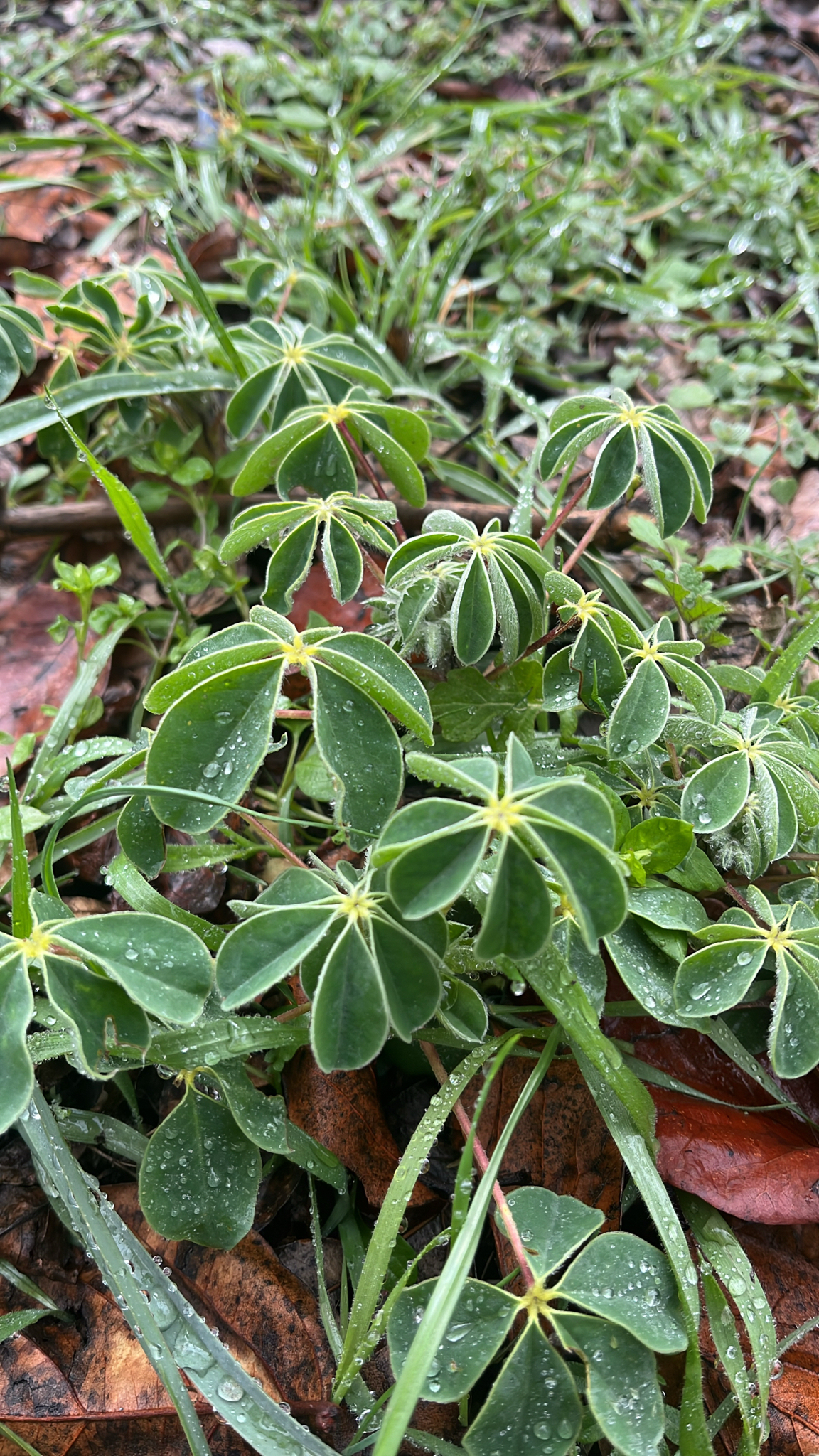
White lupin (Lupinus albus)
Care, watering, light and tips for White lupin on Floravia.
Quick facts
- Family: Fabaceae
- Difficulty: Moderate care
- Watering: every 7 days
- Light: Full sun
- Temperature: 5–35 °C
- Toxicity: Toxic to pets
About White lupin
Lupinus albus, commonly known as white lupin, is an annual herbaceous plant from the Fabaceae family, valued for its showy spikes of white flowers and its ability to improve soil fertility. Its sturdy stems and deep green foliage, topped with flower spikes that can reach up to 30 cm in length, make it ideal for borders, edges, or as part of a cottage garden. Besides its ornamental value, its seeds are edible after a debittering process.
Native range
Mediterranean region and Middle East
Care tips
It requires full sun for optimal flowering, at least 6 hours of direct light daily. Watering should be regular, keeping the substrate moist but not waterlogged, especially during flowering, although it tolerates short periods of drought once established. It prefers well-drained, slightly acidic to neutral soils, and does not need much fertilization due to its nitrogen-fixing ability. A common mistake is planting it in heavy, clayey soils, which can lead to root rot.
How to save a dying White lupin
- Warning signs
- Yellowish or pale leaves, general wilting, stunted growth. May indicate nutrient deficiency or improper soil pH.
- First aid
- Check soil pH (should be slightly acidic to neutral, 6.0-7.0). Add organic matter or legume fertilizer if deficient. Ensure good drainage.
- What kills it
- Heavy or waterlogged soil causing root rot. Also, alkaline pH inhibits essential nutrient absorption.
- Can it be saved?
- Yes, if acted upon quickly. Correcting pH and improving drainage are key. Transplanting to suitable soil may be needed if the problem is severe.