Lupine (Lupinus magnistipulatus)
Care, watering, light and tips for Lupine on Floravia.
Quick facts
- Family: Fabaceae
- Difficulty: Moderate care
- Watering: every 5 days
- Light: Full sun
- Temperature: 5–35 °C
- Toxicity: Toxic to pets
About Lupine
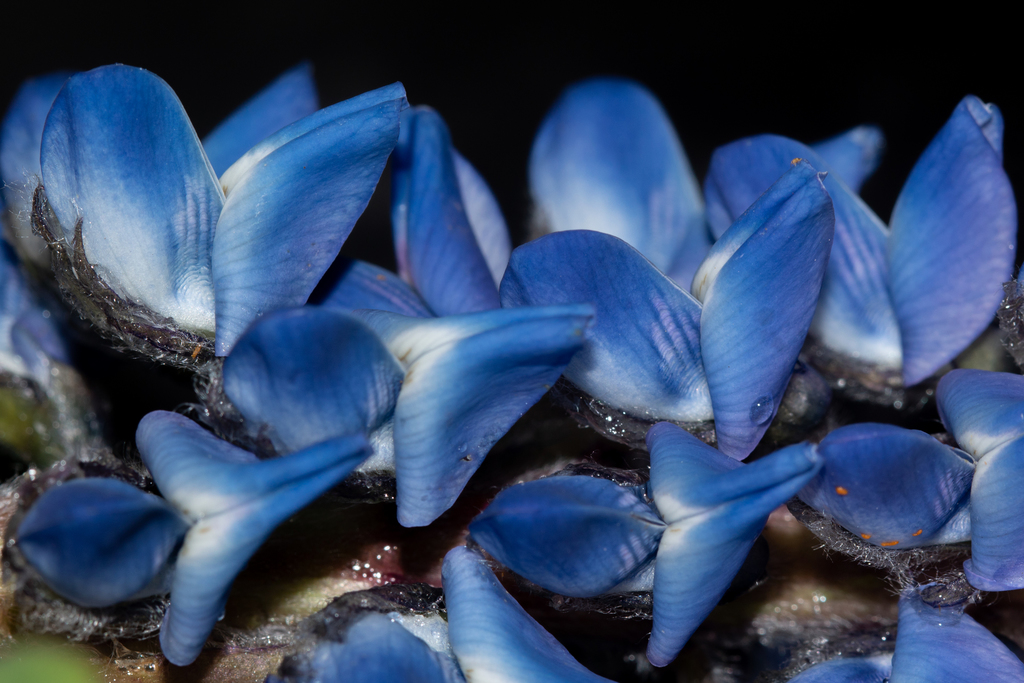
Lupinus magnistipulatus, commonly known as lupin, is an annual herbaceous legume native to the Mediterranean, valued for its striking floral spikes that range in color from white and yellow to blue and purple. Its palmate leaves and dense foliage make it ideal for borders, flower beds, or as a filler plant in cottage-style gardens. Beyond its ornamental beauty, it is known for its ability to fix nitrogen in the soil, improving its fertility.
Native range
Southwest Iberian Peninsula and Northwest Africa
Care tips
It requires full sun for abundant flowering and well-drained soil, slightly acidic to neutral, enriched with organic matter. Watering should be regular, keeping the substrate moist but not waterlogged, especially during flowering periods. Avoid excessive nitrogen fertilizers, as being a legume, it produces its own nitrogen and an excess could reduce flowering. It is crucial to sow the seeds directly in their final location, as they do not tolerate transplanting well.
How to save a dying Lupine
- Warning signs
- Yellowing or browning, wilted leaves; soft or blackened stems. Soft, dark roots.
- First aid
- Check drainage. If waterlogged, remove plant, trim rotten roots, repot in dry substrate. Reduce watering.
- What kills it
- Overwatering, leading to root rot. Also lack of light or very compact soils.
- Can it be saved?
- Yes, if you act quickly against rot. If damage is extensive, it might be too late.