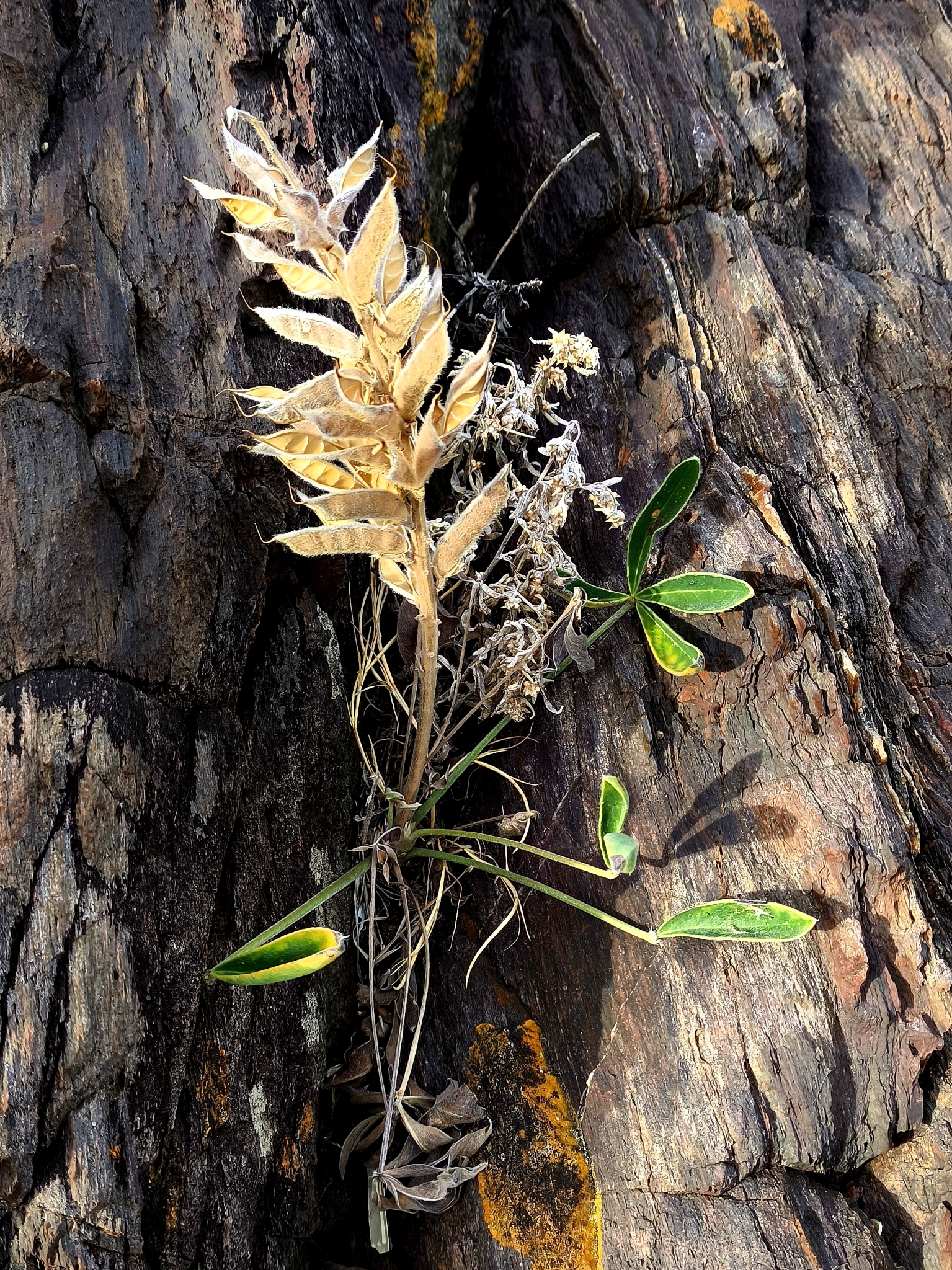
Lupin (Lupinus multiflorus)
Care, watering, light and tips for Lupin on Floravia.
Quick facts
- Family: Fabaceae
- Difficulty: Moderate care
- Watering: every 3 days
- Light: Full sun
- Temperature: 5–35 °C
- Toxicity: Toxic to pets
About Lupin
Lupinus multiflorus, commonly known as lupine, is an annual or biennial herbaceous plant belonging to the Fabaceae family, valued for its showy flower spikes that bloom in spring and summer. Its inflorescences, typically in shades of blue, purple, pink, or white, bring a wild and colorful touch to gardens, meadows, and roadsides. It is ideal for creating striking flower beds or for low-maintenance gardens with a rustic feel.
Native range
Iberian Peninsula and Northwest Africa
Care tips
It prefers full sun exposure for abundant flowering, although it tolerates some partial shade in very hot climates. It requires regular watering during its growth and flowering period, keeping the substrate moist but not waterlogged. The ideal soil is well-drained, slightly acidic, and sandy, as it does not tolerate heavy or calcareous soils. A common mistake is over-fertilization, as, being a legume, it fixes its own nitrogen, and an excess can inhibit flowering.
How to save a dying Lupin
- Warning signs
- Yellowing or browning leaves, general wilting, lack of flowering or premature flower drop.
- First aid
- Check drainage. If potted, ensure no waterlogging. Provide some shade if sun is intense. Water if soil is dry to the touch.
- What kills it
- Overwatering (especially in heavy soils), which rots its roots. Also, poor or very alkaline soil.
- Can it be saved?
- Yes, if roots are not completely rotted. Replant in a well-draining, slightly acidic soil.