Lupinus paraguariensis
Care, watering, light and tips for Lupinus paraguariensis on Floravia.
Quick facts
- Family: Fabaceae
- Difficulty: Moderate care
- Watering: every 5 days
- Light: Full sun
- Temperature: 5–35 °C
About Lupinus paraguariensis
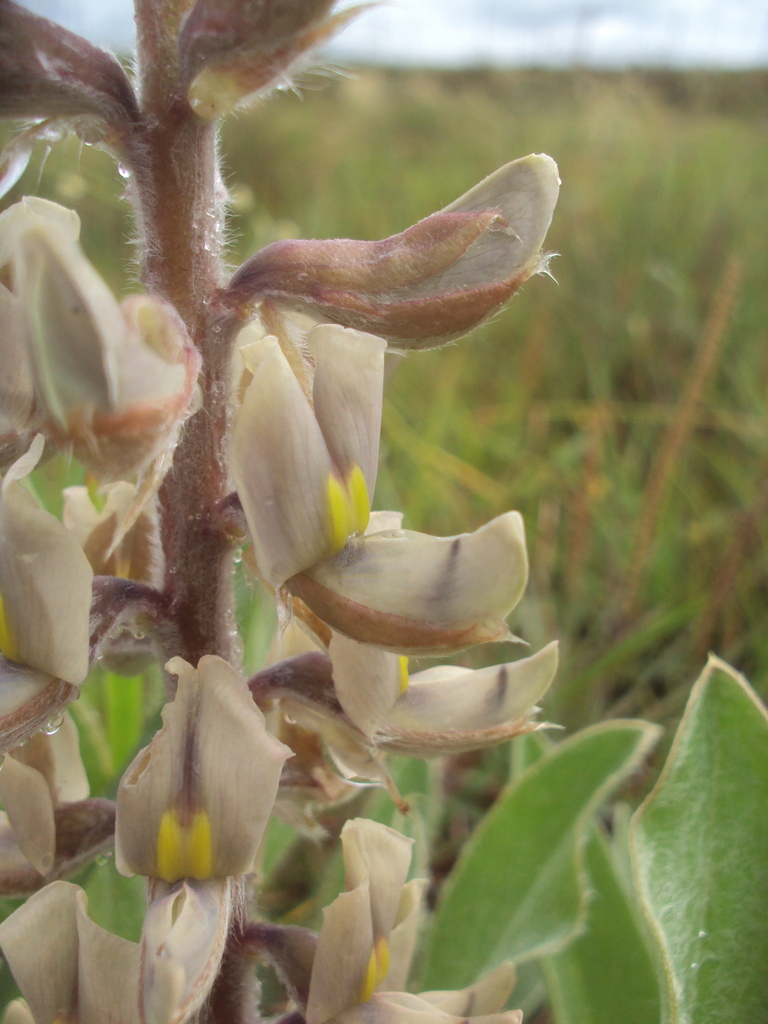
Lupinus paraguariensis, commonly known as lupine or tremoço, is an annual or perennial herbaceous plant from the Fabaceae family, valued for its showy spike-like inflorescences of flowers that can vary in color, including shades of blue, purple, pink, yellow, or white. Its leaves are palmate and deep green, adding interesting texture to the garden. It is ideal for flower beds, borders, or as part of a wildflower garden, attracting pollinators.
Native range
South America, specifically in Paraguay
Care tips
It prefers full sun exposure for abundant flowering, although it tolerates light partial shade in very hot climates. Watering should be moderate, allowing the substrate to dry slightly between waterings, and avoiding waterlogging as it is susceptible to root rot. It needs well-drained, slightly acidic to neutral soil, enriched with organic matter; a universal potting mix with perlite is suitable. A common mistake is over-fertilization with nitrogen, which can promote foliage growth at the expense of flowering.
How to save a dying Lupinus paraguariensis
- Warning signs
- Yellowish or brown, wilted, lifeless leaves. Lack of flowering or dropped flowers. Stunted growth.
- First aid
- Check drainage and soil moisture. If dry, water deeply. If waterlogged, repot with fresh, aerated soil. Protect from intense direct sun.
- What kills it
- Overwatering (waterlogging), heavy, poorly drained soil, or lack of sun.
- Can it be saved?
- Yes, if you act quickly. Good drainage and proper watering are key for recovery. Remove the most damaged parts to encourage new growth.