Bigleaf lupine (Lupinus polyphyllus)
Care, watering, light and tips for Bigleaf lupine on Floravia.
Quick facts
- Family: Fabaceae
- Difficulty: Moderate care
- Watering: every 3 days
- Light: Full sun
- Temperature: 5–35 °C
- Toxicity: Toxic to pets
About Bigleaf lupine
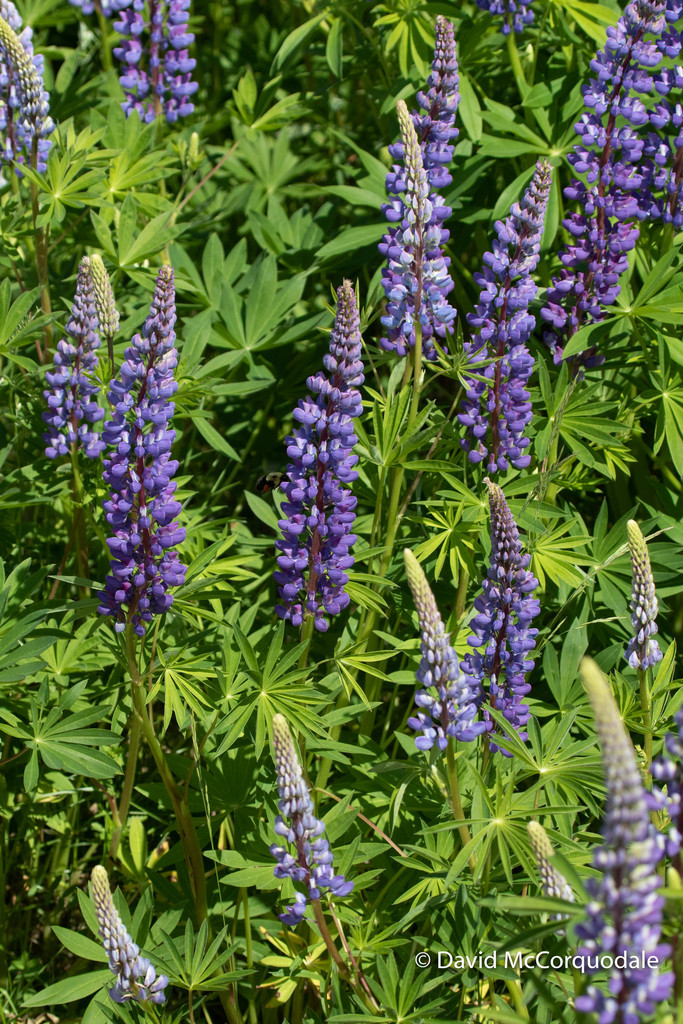
Lupinus polyphyllus, commonly known as garden lupine or bigleaf lupine, is a perennial herbaceous plant from the legume family, cherished for its striking flower spikes that bloom in spring and summer. Its palmate leaves and dense inflorescences in vibrant colors such as blue, purple, pink, white, and yellow make it a spectacular choice for garden borders, flower beds, or to add a wild and colorful touch to native landscapes. It attracts pollinators and adds interesting texture to the garden.
Native range
North America (primarily the western United States and southwestern Canada)
Care tips
It requires full sun to light partial shade for abundant flowering. Watering should be moderate, allowing the soil to dry slightly between waterings, and avoiding waterlogging which can lead to root rot. It prefers well-drained, slightly acidic to neutral soils, enriched with organic matter; good drainage is crucial for its survival. A common mistake is planting them in heavy, clay soils, which leads to fungal diseases and poor growth.
How to save a dying Bigleaf lupine
- Warning signs
- Yellowish or brown, wilted leaves, stunted growth, no flowering, soft stems.
- First aid
- Check soil drainage and moisture. Ensure full sun. If potted, consider a larger pot if roots are crowded. Deadhead spent flowers.
- What kills it
- Overwatering causing root rot, or too much shade. Also very alkaline or poor soils.
- Can it be saved?
- Yes, if you act quickly. Good drainage, adequate sun, and slightly acidic soil are key for recovery. Repot if needed.