Andean lupin (Lupinus mutabilis)
Care, watering, light and tips for Andean lupin on Floravia.
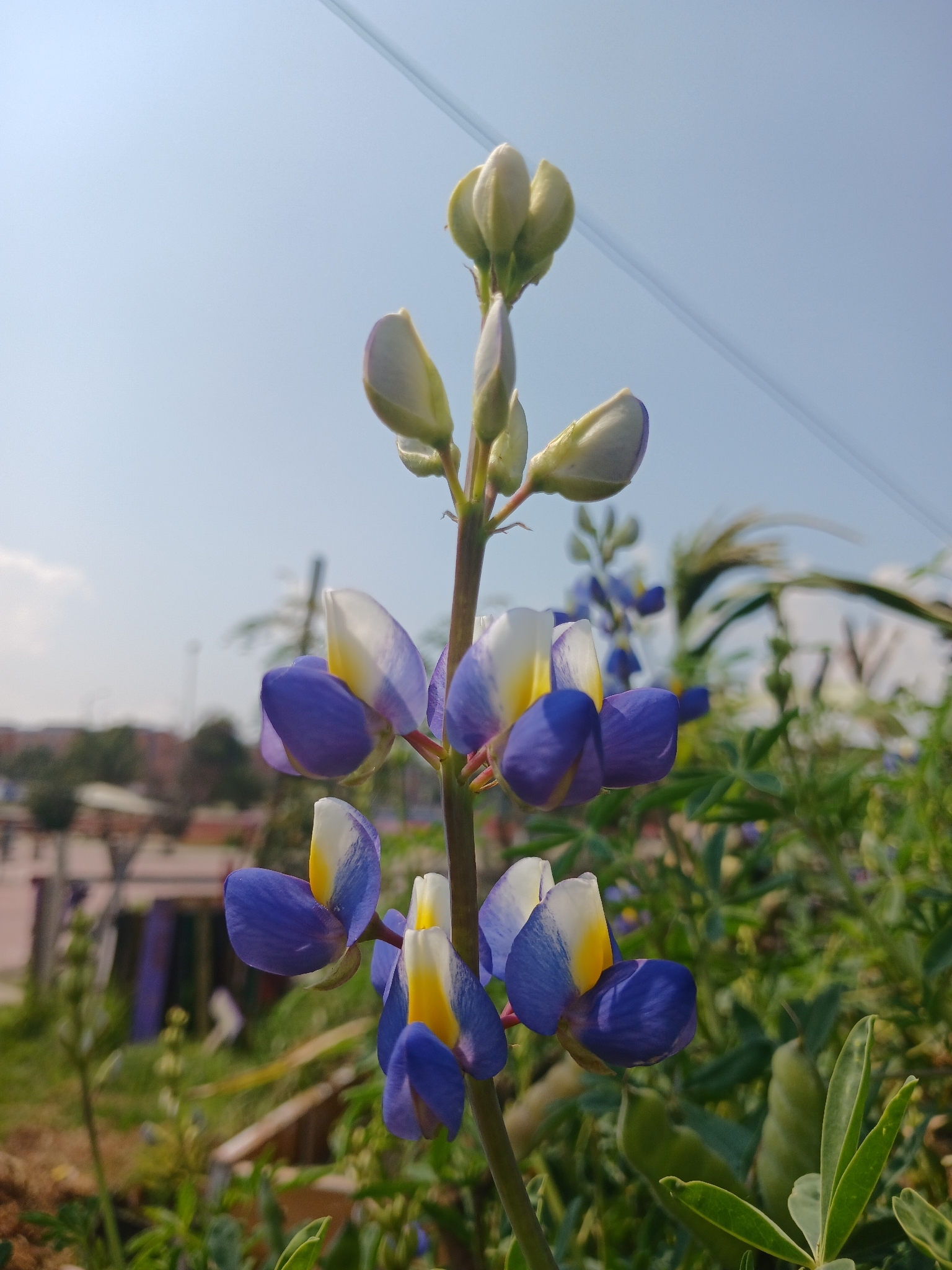
Quick facts
- Family: Fabaceae
- Difficulty: Moderate care
- Watering: every 7 days
- Light: Full sun
- Temperature: 5–35 °C
- Toxicity: Toxic to pets
About Andean lupin
Lupinus mutabilis, commonly known as Andean lupine or tarwi, is an annual or biennial legume native to the Andes, valued for its striking spiky inflorescences of white, blue, or purple flowers. Its palmate leaves provide attractive foliage, making it ideal for adding color and height to cottage or naturalist-style gardens. Beyond its ornamental beauty, it produces edible seeds with high nutritional value.
Native range
Andes of South America, from northern Peru to northern Chile and northwestern Argentina
Care tips
It requires full sun for abundant flowering and vigorous growth. Watering should be moderate, allowing the substrate to dry slightly between waterings, and avoiding waterlogging as it is susceptible to root rot. It prefers well-drained, slightly acidic to neutral soils rich in organic matter. A common mistake is over-fertilizing with nitrogen, which can promote leafy growth at the expense of flowering.
How to save a dying Andean lupin
- Warning signs
- Yellowing or wilting leaves, soft stem, no flowering.
- First aid
- Check drainage and soil moisture. Isolate from sick plants.
- What kills it
- Overwatering (root rot) or non-acidic soil.
- Can it be saved?
- Yes, if you act quickly to correct watering and soil.