Black medick (Medicago lupulina)
Care, watering, light and tips for Black medick on Floravia.
Quick facts
- Family: Fabaceae
- Difficulty: Easy to care for
- Watering: every 7 days
- Light: Full sun
- Temperature: 5–35 °C
About Black medick
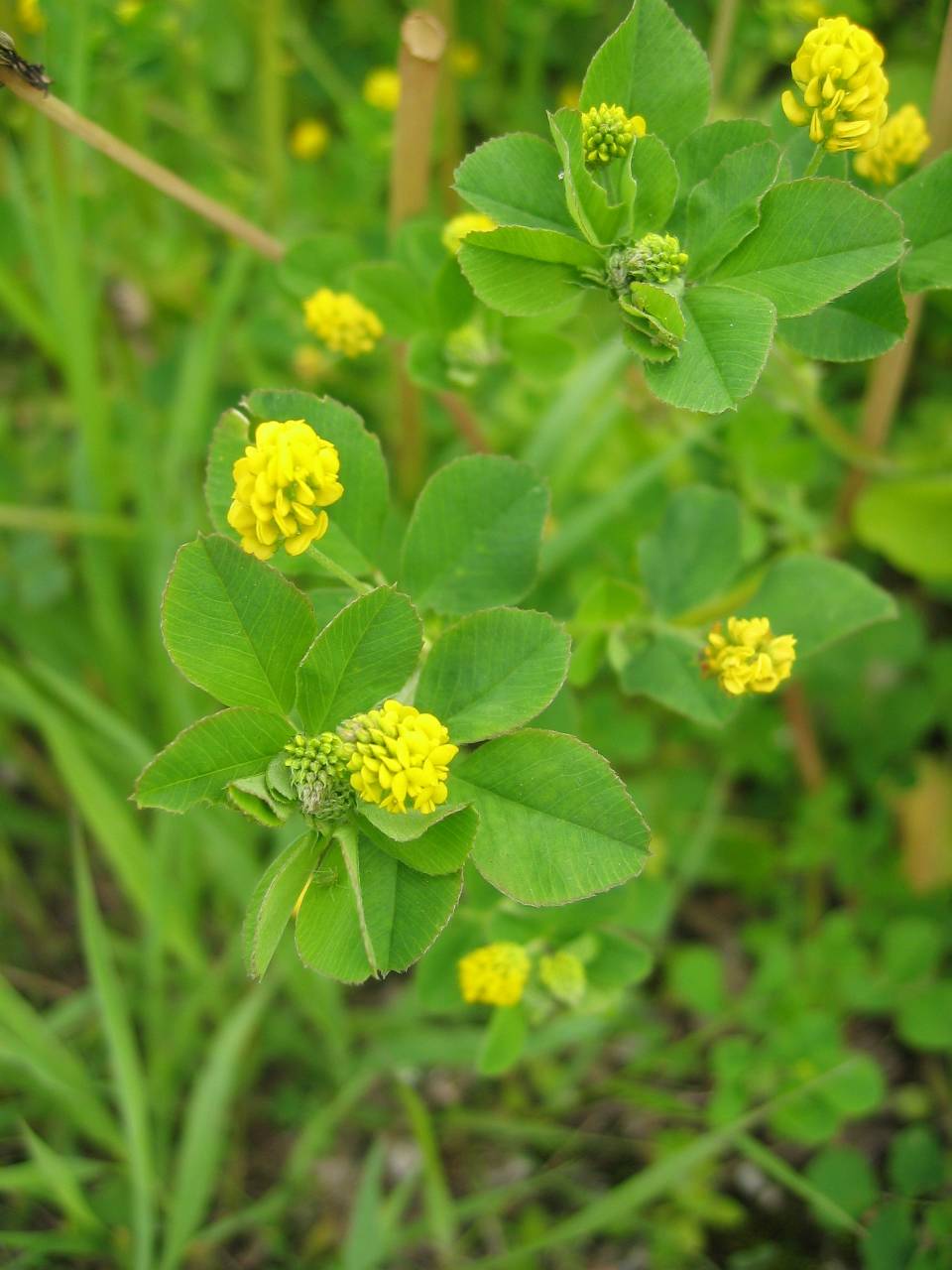
Medicago lupulina, commonly known as black medick or yellow trefoil, is a small annual or biennial legume belonging to the Fabaceae family, characterized by its tiny yellow flowers borne in dense, hop-like clusters. It is a prostrate or ascending plant that forms low mats, perfect for ground cover in natural gardens, meadows, or as part of rustic lawn mixes where a wild look and low maintenance are desired. Its trifoliate leaves and growth habit make it an excellent choice for improving soil fertility by fixing nitrogen.
Native range
Europe and Western Asia
Care tips
This plant prefers full sun for optimal flowering, although it tolerates some partial shade. It is very adaptable regarding watering, as it is drought-tolerant once established, but benefits from moderate watering during dry periods, avoiding waterlogging. It thrives in a wide range of soils, as long as they are well-drained, including poor or calcareous soils. A common mistake to avoid is over-fertilization with nitrogen; as a legume, it fixes its own nitrogen, and an excess could inhibit its development or encourage weed growth.
How to save a dying Black medick
- Warning signs
- Yellowish or reddish leaves, general wilting, soft stems.
- First aid
- Check drainage and soil moisture. Ensure good sun exposure and ventilation. If soil is waterlogged, carefully remove and let roots dry before replanting in fresh substrate.
- What kills it
- Overwatering and lack of light, leading to root and stem rot. Also excessive shade.
- Can it be saved?
- Yes, if rot is not too advanced and conditions are corrected quickly.