Burr medic (Medicago polymorpha)
Care, watering, light and tips for Burr medic on Floravia.
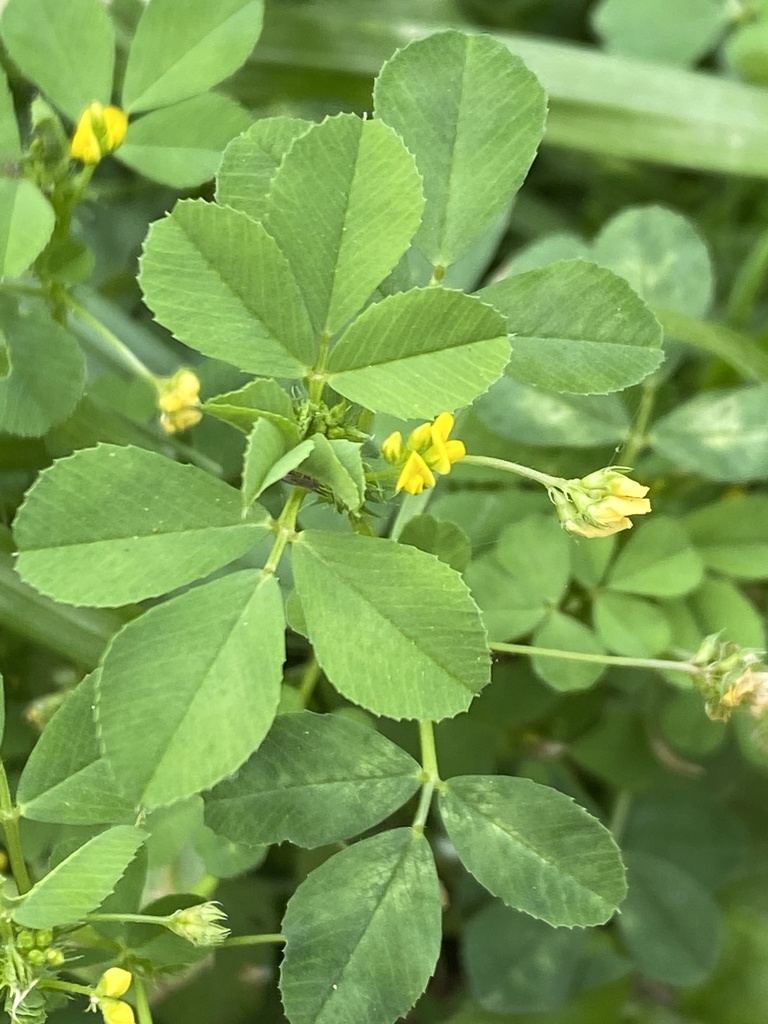
Quick facts
- Family: Fabaceae
- Difficulty: Easy to care for
- Watering: every 5 days
- Light: Full sun
- Temperature: 5–35 °C
About Burr medic
Medicago polymorpha, commonly known as burclover or spiral medic, is a low-growing annual legume characterized by its small trifoliate leaves and distinctive spiral-shaped fruits resembling tiny snails. This plant is excellent for ground cover, nitrogen fixation in soil, and as forage in pastures, where its creeping habit forms a green carpet. Its tiny, albeit discreet, yellow flowers add a touch of color to meadows and naturalistic gardens.
Native range
Mediterranean region
Care tips
Medicago polymorpha thrives in full sun for optimal growth, although it can tolerate partial shade. It is a low-maintenance plant regarding watering; once established, it is quite drought-tolerant but appreciates moderate watering during dry spells. It adapts to a wide range of soils, provided they have good drainage, including poor or clayey soils. A common mistake is overwatering, which can lead to root rot, as it prefers drier conditions.
How to save a dying Burr medic
- Warning signs
- Yellowish/reddish leaves, weak/dry stems, stunted growth. May indicate nutrient deficiencies or water stress.
- First aid
- Ensure good drainage. Fertilize lightly with phosphorus and potassium. Water moderately when soil is dry.
- What kills it
- Overwatering causes root rot. Lack of specific nutrients, like phosphorus, weakens its growth.
- Can it be saved?
- Yes, if roots aren't completely rotted. Act quickly with watering and fertilization adjustments.