Sweet clover (Melilotus indicus)
Care, watering, light and tips for Sweet clover on Floravia.
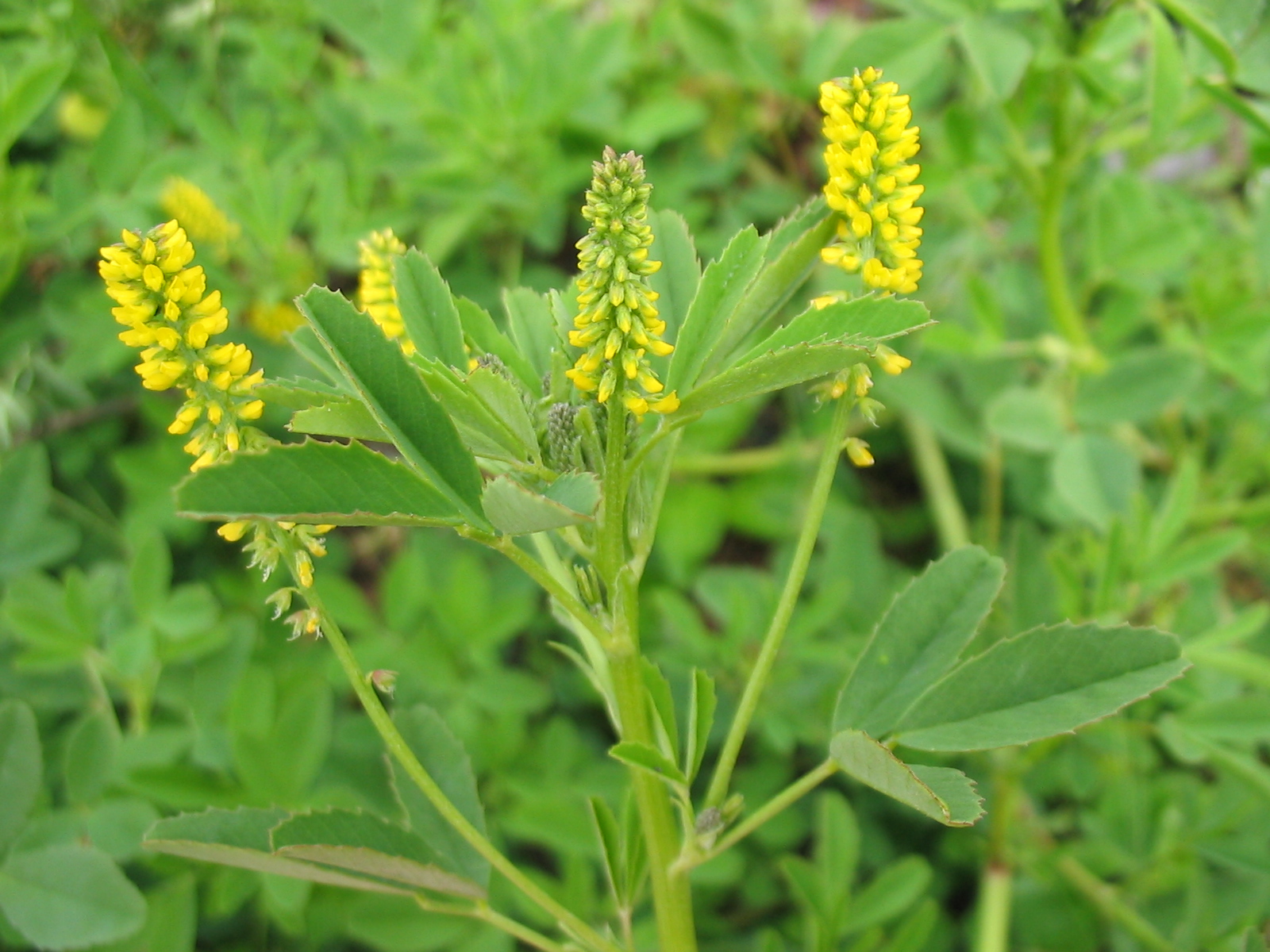
Quick facts
- Family: Fabaceae
- Difficulty: Easy to care for
- Watering: every 7 days
- Light: Full sun
- Temperature: 5–35 °C
- Toxicity: Toxic to pets
About Sweet clover
Melilotus indicus, commonly known as sweet clover or small-flowered melilot, is an annual or biennial herb belonging to the Fabaceae family, growing up to 60 cm tall. It is characterized by its small yellow flowers clustered in dense racemes and its trifoliate leaves. It is ideal for revegetating poor soils, as a green manure, or in naturalized meadows, contributing nitrogen to the soil.
Native range
Mediterranean region and Middle East
Care tips
Melilotus indicus thrives in full sun in most climates, though it tolerates some partial shade. It prefers well-drained soils, even poor or calcareous ones, and is quite drought-tolerant once established. Watering should be moderate, avoiding waterlogging, especially in heavy soils. A common mistake is planting it in areas where its spreading capacity might become invasive in native ecosystems.
How to save a dying Sweet clover
- Warning signs
- Yellowish or pale leaves, stunted growth, general wilting. May indicate nutrient deficiency or compacted soil.
- First aid
- Improve soil with compost or organic fertilizer. Ensure good drainage and water moderately.
- What kills it
- Poor or compacted soil hindering root development and nutrient uptake. Also waterlogging.
- Can it be saved?
- Yes, it's a resilient plant. With soil improvements and proper watering, it will recover.