White sweetclover (Melilotus albus)
Care, watering, light and tips for White sweetclover on Floravia.
Quick facts
- Family: Fabaceae
- Difficulty: Easy to care for
- Watering: every 7 days
- Light: Full sun
- Temperature: 5–35 °C
- Toxicity: Toxic to pets
About White sweetclover
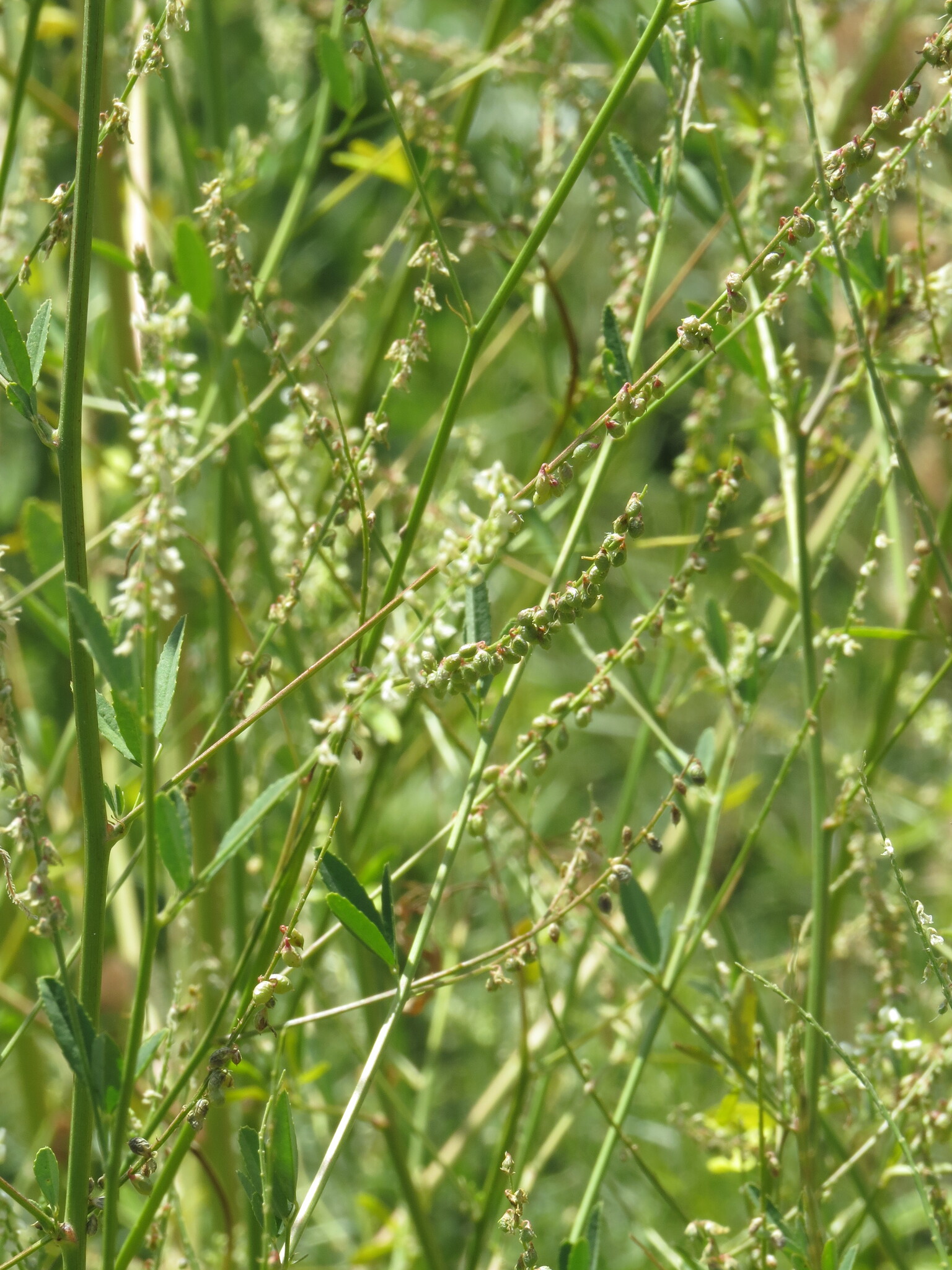
Melilotus albus, commonly known as white sweet-clover, is a biennial or short-lived perennial herbaceous plant belonging to the Fabaceae family. It is characterized by its clusters of small, fragrant white flowers, which attract pollinators, and its trifoliate foliage. It is an excellent choice for improving poor soils, as a cover crop, or in naturalized meadows, contributing nitrogen to the substrate.
Native range
Europe and Asia
Care tips
It prefers full sun exposure for optimal growth and abundant flowering, although it tolerates some partial shade. It is a very drought-tolerant plant once established, so watering should be moderate, allowing the soil to dry out between waterings. It adapts to a wide range of soils, including poor and clayey ones, as long as they have good drainage. A common mistake is over-fertilization, as, being a legume, it fixes its own nitrogen and does not require additional nitrogen fertilizers.
How to save a dying White sweetclover
- Warning signs
- Yellowing or wilting leaves, soft stems, stunted growth, no flowering.
- First aid
- Check soil drainage and moisture. If waterlogged, remove excess water. If dry, water deeply.
- What kills it
- Overwatering or compacted soils preventing good drainage, leading to root rot.
- Can it be saved?
- Yes, if acted upon quickly. Remove affected parts and improve soil and watering conditions.