Tamarind (Tamarindus indica)
Care, watering, light and tips for Tamarind on Floravia.
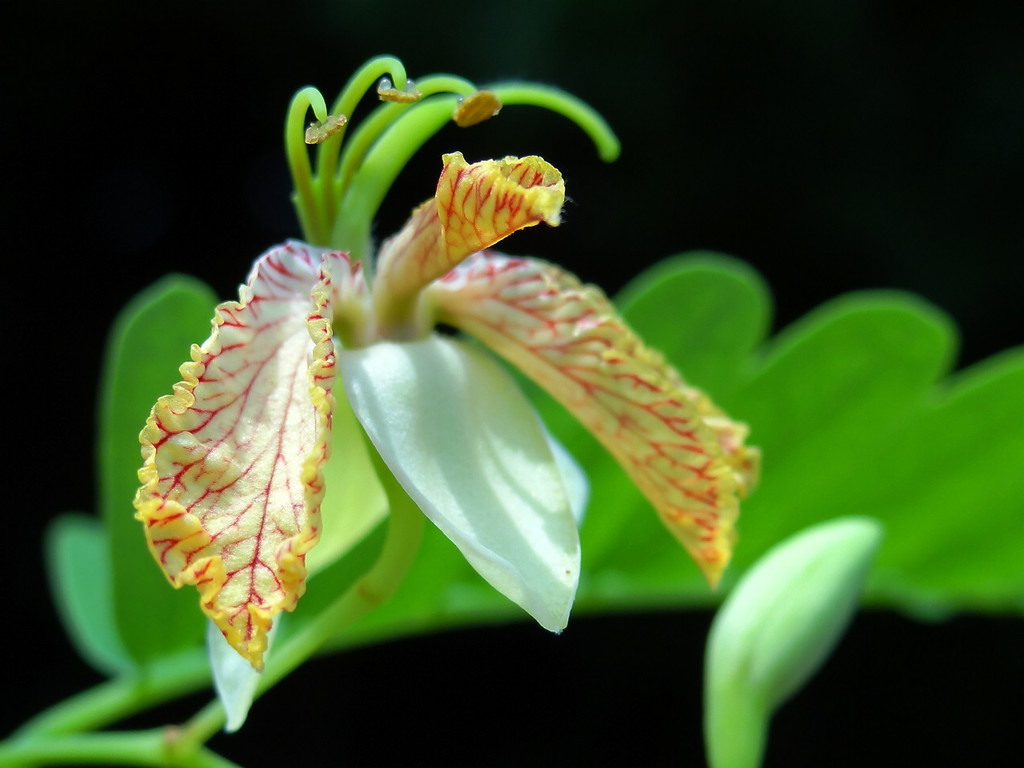
Quick facts
- Family: Fabaceae
- Difficulty: Moderate care
- Watering: every 3 days
- Light: Full sun
- Temperature: 5–35 °C
About Tamarind
Tamarindus indica, commonly known as tamarind, is a tropical evergreen tree that can grow quite large, offering a dense, rounded canopy. It is valued for both its edible fruit and its ornamental appeal, ideal for spacious gardens or as a shade tree in warm, sunny climates. Its pinnate leaves and discreet flowers contribute to its exotic charm.
Native range
Tropical East Africa, especially Madagascar
Care tips
It requires full sun exposure for optimal growth and good fruit production. Watering should be regular during the first few years and in dry periods, allowing the substrate to dry out slightly between waterings; once established, it is quite drought-tolerant. It prefers well-drained, slightly acidic to neutral soils. A common mistake is planting it in small pots, as it needs space for its extensive root system.
How to save a dying Tamarind
- Warning signs
- Yellow or dropping leaves, dry tips, slow/no growth, soft/stained trunk.
- First aid
- Check drainage and watering (moist, not waterlogged soil). Provide plenty of sunlight. Protect from frost.
- What kills it
- Overwatering (root rot) or lack of light. Also extreme cold and heavy soils with poor drainage.
- Can it be saved?
- Yes, if roots aren't severely damaged. Act fast by correcting drainage, watering, and sun exposure.