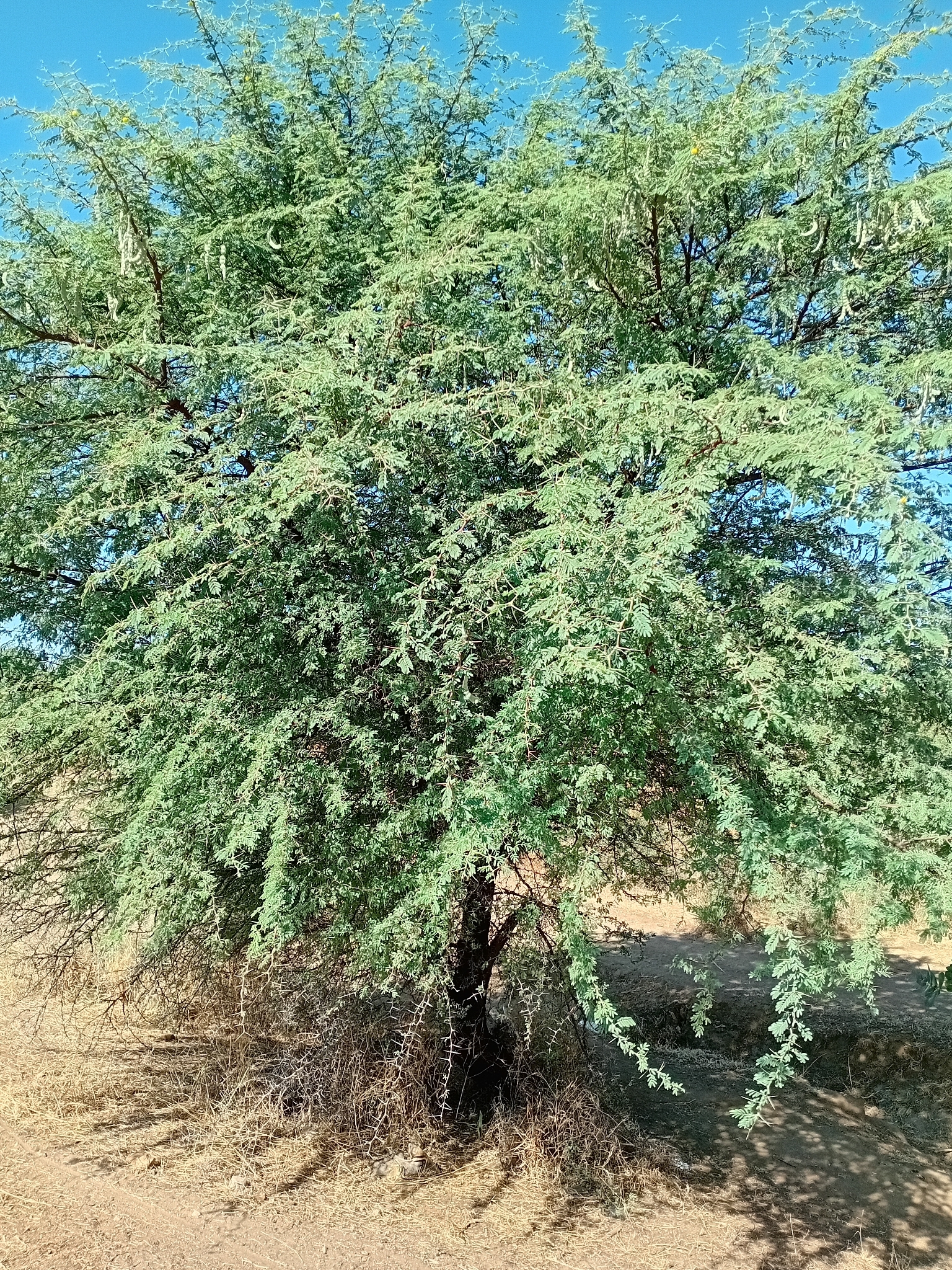
Gum arabic tree (Vachellia nilotica)
Care, watering, light and tips for Gum arabic tree on Floravia.
Quick facts
- Family: Fabaceae
- Difficulty: Easy to care for
- Watering: every 14 days
- Light: Full sun
- Temperature: 5–35 °C
- Toxicity: Toxic to pets
About Gum arabic tree
Vachellia nilotica, also known as Nile acacia or babul, is a small to medium-sized thorny tree native to Africa and the Indian subcontinent. It is characterized by its dense, rounded canopy, fine bipinnate leaves, and fragrant yellow globular flowers. It's an excellent choice for low-maintenance gardens in hot, dry climates, or as a hardy ornamental tree in suitable areas, providing structural interest and bloom.
Native range
Africa and the Indian subcontinent
Care tips
It requires full sun for optimal growth and tolerates drought well once established, so watering should be moderate, especially in winter. It prefers well-drained soils, from sandy to clayey, and is very adaptable to different soil conditions. A common mistake is overwatering in heavy soils, which can lead to root rot; ensuring good drainage is crucial. It benefits from light pruning to maintain its shape and remove dead or damaged branches.
How to save a dying Gum arabic tree
- Warning signs
- Yellowing or massive leaf drop, dry or brittle branches, lack of flowering or pods. 🌿
- First aid
- Check drainage and watering (prefers dryness). Prune dead branches. Assess sun exposure (full sun).
- What kills it
- Overwatering, heavy and poorly drained soils, excessive shade.
- Can it be saved?
- Yes, if acted upon in time. It is hardy, but does not tolerate waterlogging.