Rosary pea (Abrus precatorius)
Care, watering, light and tips for Rosary pea on Floravia.
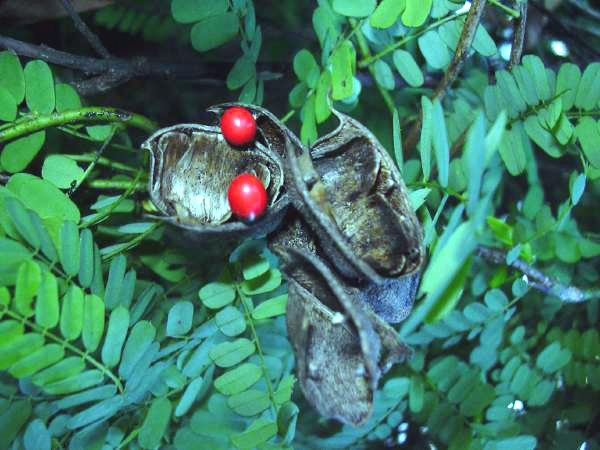
Quick facts
- Family: Fabaceae
- Difficulty: Demanding
- Watering: every 5 days
- Light: Full sun
- Temperature: 5–35 °C
- Toxicity: Toxic to pets
About Rosary pea
Abrus precatorius, commonly known as Rosary Pea or Jequirity Bean, is a tropical woody vine belonging to the legume family. It is striking for its eye-catching bicolor seeds (red and black), which are extremely toxic. Although attractive, it is mainly cultivated for its ornamental value in warm climates, being a plant of botanical interest due to its toxicity and traditional use in jewelry and rituals.
Native range
Tropical Africa and Asia
Care tips
Given its extreme toxicity (especially the seeds), cultivating Abrus precatorius is not recommended in domestic environments or where children and pets are present. If grown under very controlled conditions, it requires full sun to partial shade and well-drained, fertile, and moist soil. It is a tropical plant, so it does not tolerate frost and needs consistently warm temperatures. The most critical mistake to avoid is contact with or ingestion of its seeds, which can be lethal even in small amounts.
How to save a dying Rosary pea
- Warning signs
- Yellowing or drooping leaves. Brown and dry tips. Lack of new shoots.
- First aid
- Move to semi-shade. Check substrate moisture, avoid waterlogging or dryness.
- What kills it
- Excessive direct sun and constantly wet substrate, causing root rot.
- Can it be saved?
- Yes, if roots are not completely rotted and conditions are corrected.