Tepary bean (Phaseolus acutifolius)
Care, watering, light and tips for Tepary bean on Floravia.
Quick facts
- Family: Fabaceae
- Difficulty: Easy to care for
- Watering: every 3 days
- Light: Full sun
- Temperature: 5–35 °C
About Tepary bean
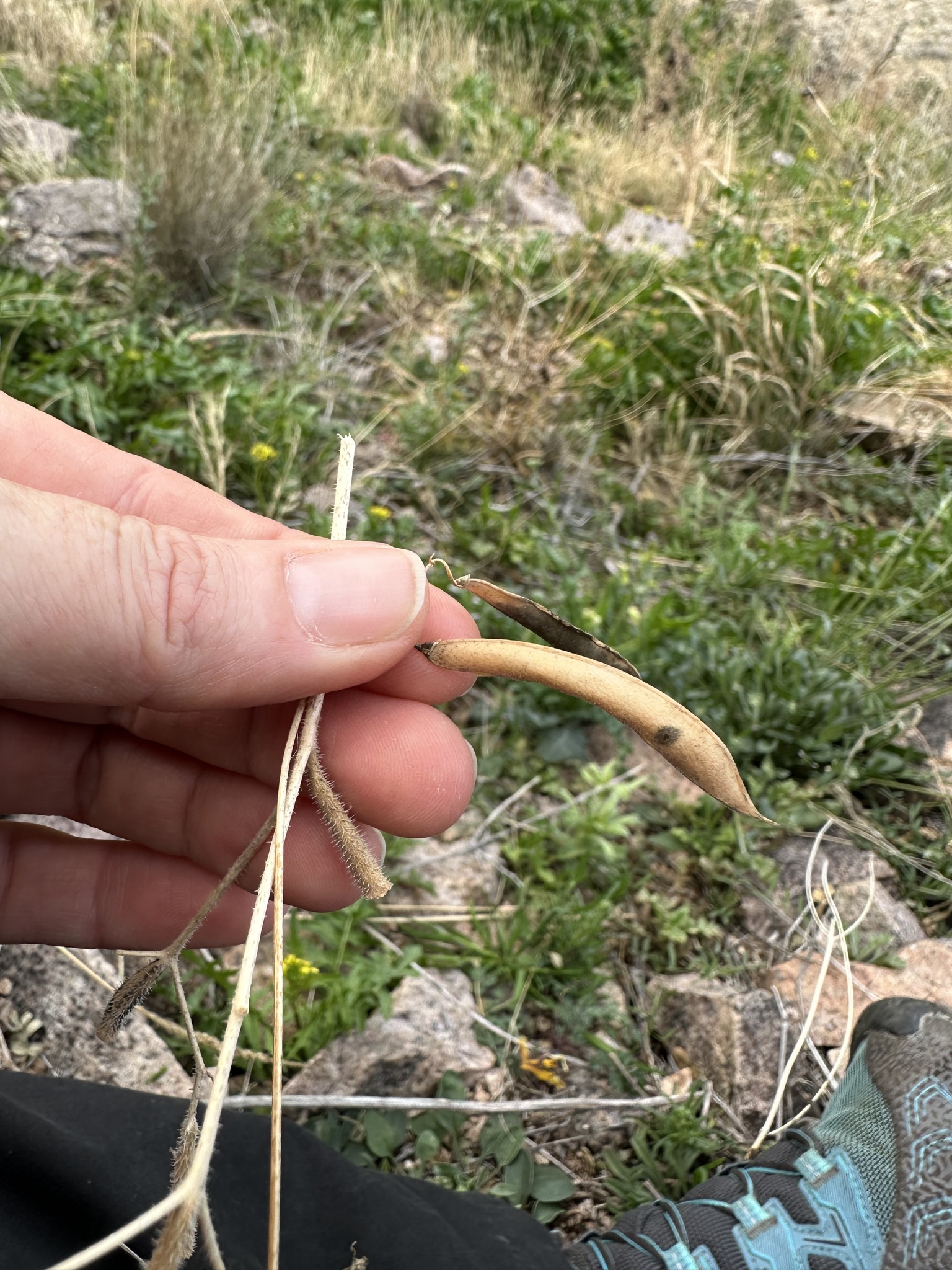
Phaseolus acutifolius, commonly known as the tepary bean, is an annual legume native to the southwestern United States and Mexico. It is characterized by its small, edible seeds, which are highly drought-resistant, and its flowers that can vary in color from white to pale purple. It is an excellent choice for xeriscaping, arid vegetable gardens, or as a cover crop in poor soils.
Native range
Southwestern United States and Mexico
Care tips
It requires full sun for optimal production and tolerates high temperatures very well. Watering should be minimal once established, as it is extremely drought-resistant; overwatering can be detrimental. It prefers sandy or loamy, well-drained soils with low organic matter content. A common mistake is overwatering, which can lead to root rot and reduced yield.
How to save a dying Tepary bean
- Warning signs
- Yellowish or pale leaves, stunted growth, prematurely dried pods.
- First aid
- Check soil moisture, ensure full sun and warm temperature, protect from strong winds.
- What kills it
- Overwatering leading to root rot; cold temperatures or frost.
- Can it be saved?
- Yes, if watering is corrected and proper heat and light are provided promptly.