Horseshoe vetch (Hippocrepis comosa)
Care, watering, light and tips for Horseshoe vetch on Floravia.
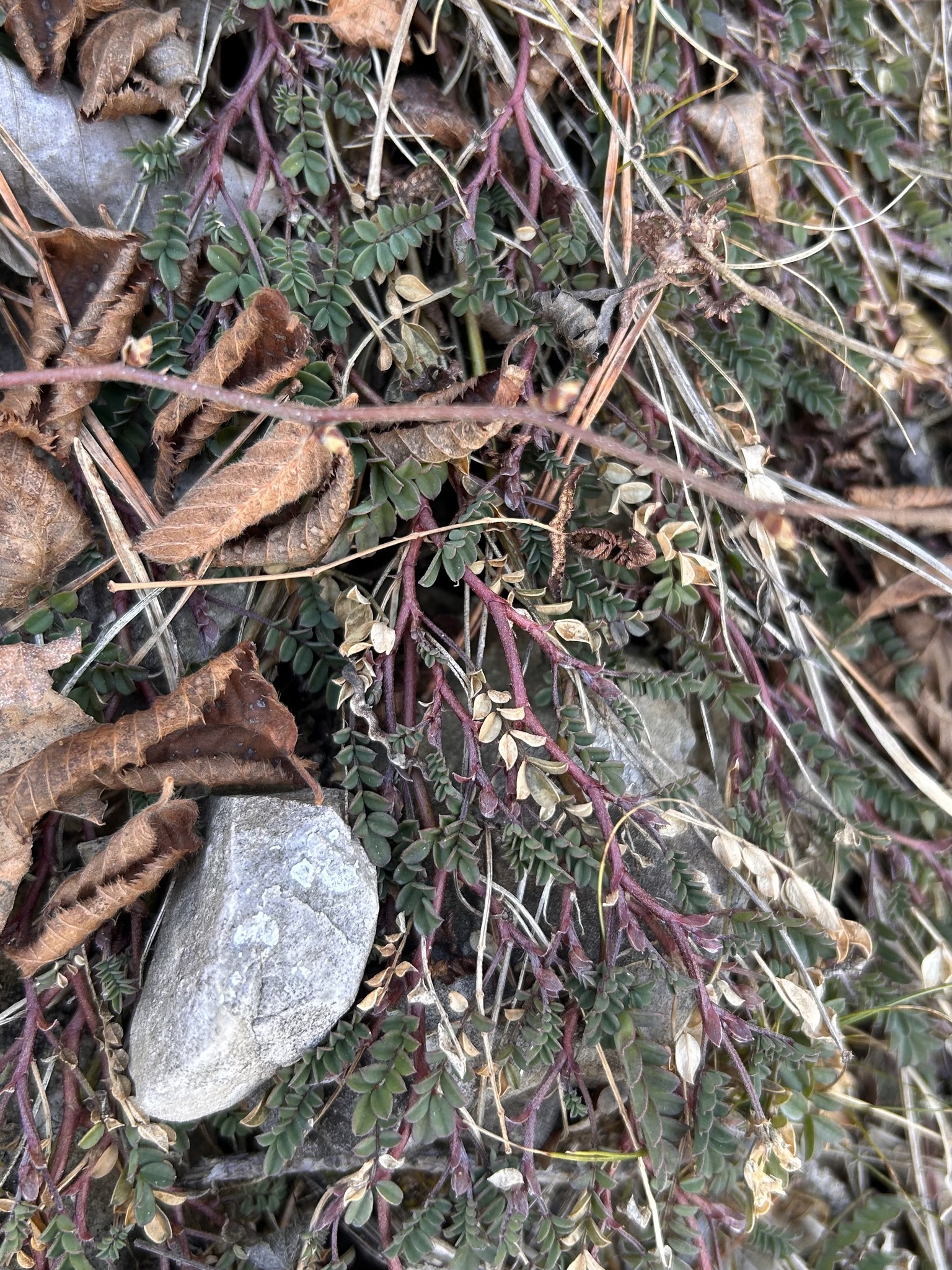
Quick facts
- Family: Fabaceae
- Difficulty: Easy to care for
- Watering: every 5 days
- Light: Full sun
- Temperature: 5–35 °C
About Horseshoe vetch
Hippocrepis comosa, commonly known as Horseshoe Vetch, is a small perennial herbaceous plant belonging to the legume family. It is characterized by its clusters of bright yellow flowers that bloom in spring and early summer, and its distinctive horseshoe-shaped seed pods. It is ideal for rockeries, gravel gardens, or as ground cover in sunny, well-drained areas, adding a wild and colorful touch.
Native range
Europe, from the Iberian Peninsula to the Caucasus, and North Africa.
Care tips
This plant thrives in full sun and well-drained soils, even poor or calcareous ones, and is very drought-tolerant once established. Watering should be infrequent, allowing the substrate to dry out completely between waterings to prevent waterlogging. It does not tolerate dense shade or heavy, wet soils, which could lead to root rot. A common mistake is overwatering, which is detrimental to its health.
How to save a dying Horseshoe vetch
- Warning signs
- Yellowish or brown, wilted leaves, stunted or weak growth. Soft or blackened stems. Soft or foul-smelling roots.
- First aid
- If overwatered, stop watering and aerate. If underwatered, water moderately. Place in semi-shade if sun is excessive. Check for pests.
- What kills it
- Overwatering (root rot), heavy and poorly drained soil, prolonged full shade or intense direct sun in hot climates.
- Can it be saved?
- Yes, if roots aren't completely rotted and green stems remain. Acting quickly is key.