Big trefoil (Lotus pedunculatus)
Care, watering, light and tips for Big trefoil on Floravia.
Quick facts
- Family: Fabaceae
- Difficulty: Easy to care for
- Watering: every 5 days
- Light: Full sun
- Temperature: 5–35 °C
- Toxicity: Toxic to pets
About Big trefoil
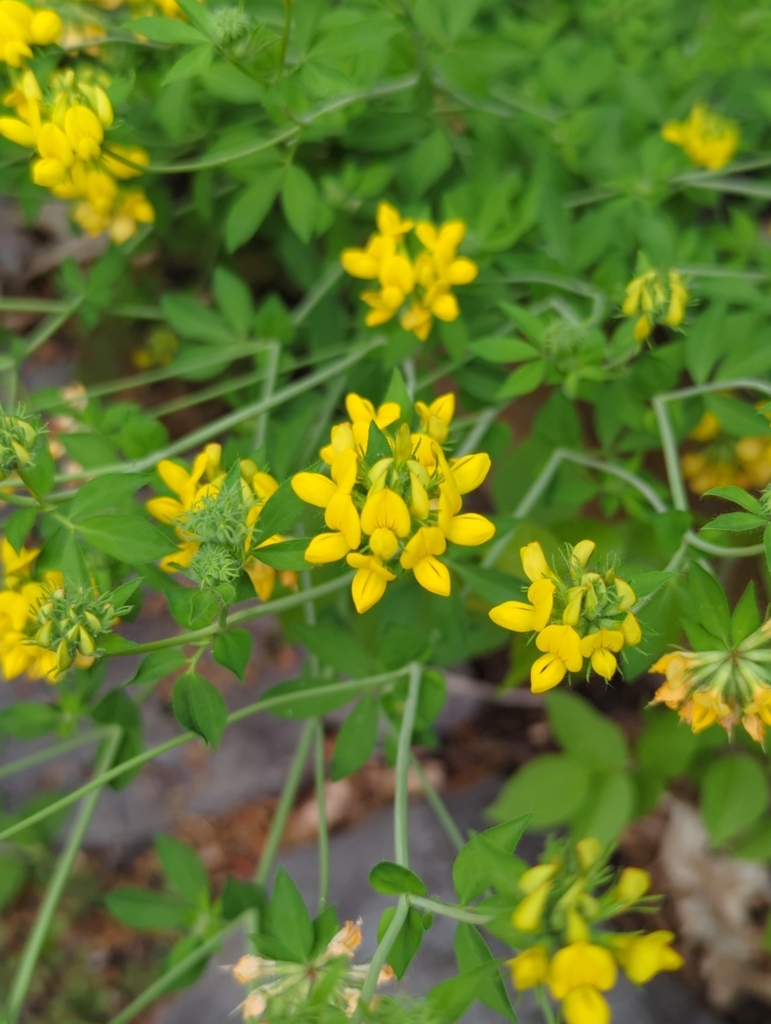
Lotus pedunculatus, also known as big trefoil or greater bird's-foot trefoil, is a perennial legume with a creeping or ascending growth habit, valued for its hardiness and nitrogen-fixing capabilities. Its small, yellow flowers, clustered in umbels, make it attractive in moist meadows, pond margins, or as ground cover in naturalistic gardens. It's an excellent choice for restoring degraded soils and enhancing local biodiversity.
Native range
Europe and Western Asia
Care tips
It prefers full sun to partial shade and consistently moist, even occasionally waterlogged, but well-drained soils. It tolerates a wide range of soil types, from acidic to neutral, and does not require additional fertilization due to its nitrogen-fixing ability. A common mistake is planting it in dry or insufficiently moist soils, which will severely limit its growth and flowering.
How to save a dying Big trefoil
- Warning signs
- Yellowing or browning leaves, wilting, soft stems, poor or no flowering. Soft, dark roots.
- First aid
- Check drainage and soil moisture. Ensure full sun and good airflow. If waterlogged, remove plant and inspect roots.
- What kills it
- Lack of direct sunlight, poorly drained soil causing waterlogging, or overly dry soils. Sensitive to shade.
- Can it be saved?
- Yes, if you act quickly. Good drainage and adequate sunlight are key to its recovery. Remove damaged parts.