Marsh bird's-foot trefoil (Lotus palustris)
Care, watering, light and tips for Marsh bird's-foot trefoil on Floravia.
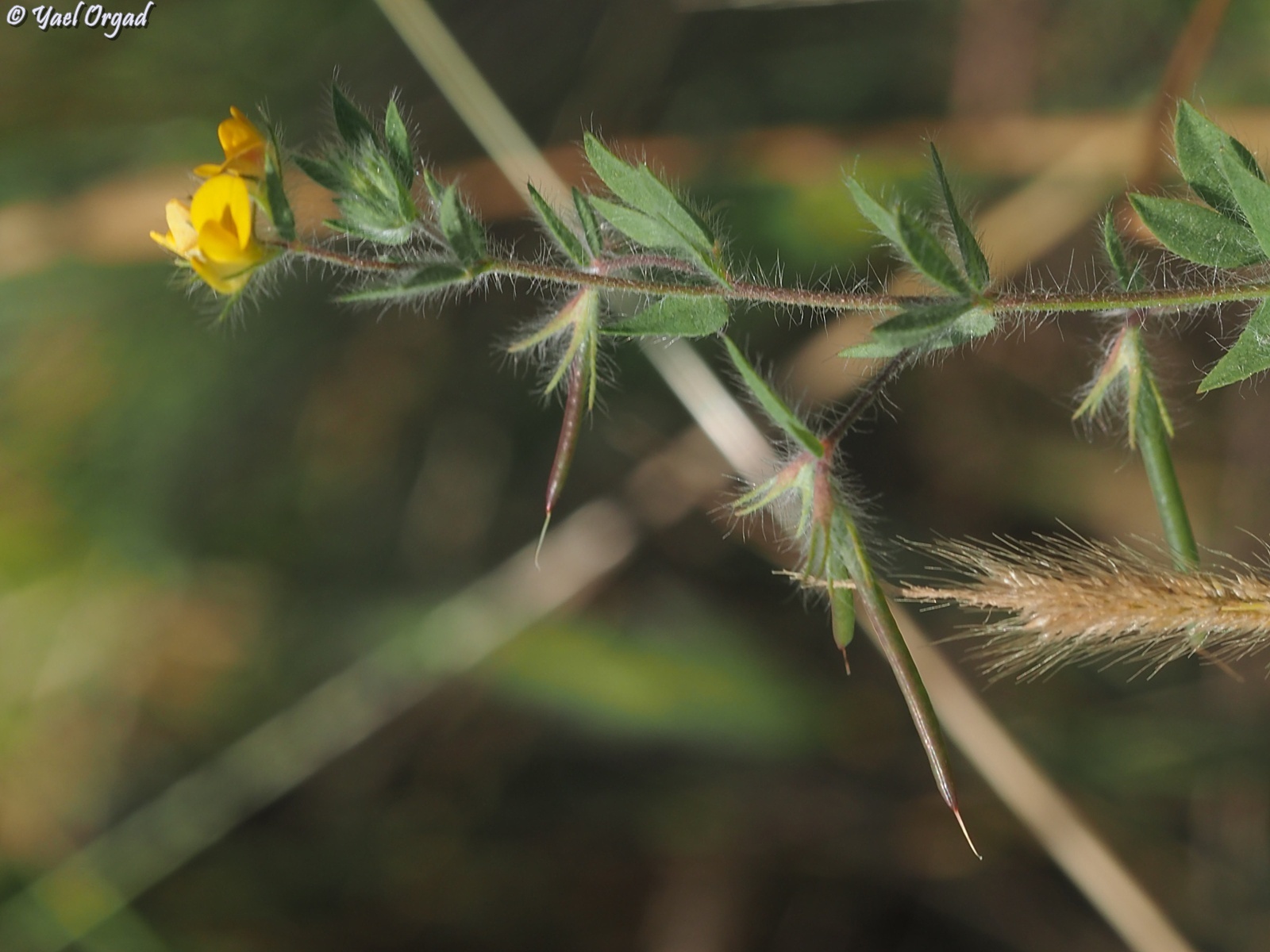
Quick facts
- Family: Fabaceae
- Difficulty: Easy to care for
- Watering: every 5 days
- Light: Full sun
- Temperature: 5–35 °C
- Toxicity: Toxic to pets
About Marsh bird's-foot trefoil
Lotus palustris, commonly known as Large Birds-foot Trefoil, is a low-growing perennial herbaceous legume, prized for its attractive bright yellow flowers clustered in heads. It's an excellent choice for ground cover in naturalized gardens, along pathways, or even in hanging baskets, attracting pollinators with its extended blooming period. Its dense, creeping foliage makes it a charming and low-maintenance addition to various landscapes.
Native range
Europe, North Africa, and Western Asia.
Care tips
This plant thrives in full sun to partial shade, tolerating a wide range of light conditions. It prefers moist but well-drained soils, so regular watering is essential to maintain humidity without waterlogging. A well-draining substrate, perhaps amended with sand or perlite, is ideal to prevent root rot. Avoid prolonged drought, as while it is resilient, severe water stress can drastically reduce its flowering.
How to save a dying Marsh bird's-foot trefoil
- Warning signs
- Yellowing or browning leaves, general wilting, soft stems.
- First aid
- Move to a cooler, more humid spot. Check substrate moisture; if dry, water.
- What kills it
- Prolonged drought or intense direct sun exposure without enough humidity.
- Can it be saved?
- Yes, if roots aren't completely dry or rotted and you act quickly.