Subterranean clover (Trifolium subterraneum)
Care, watering, light and tips for Subterranean clover on Floravia.
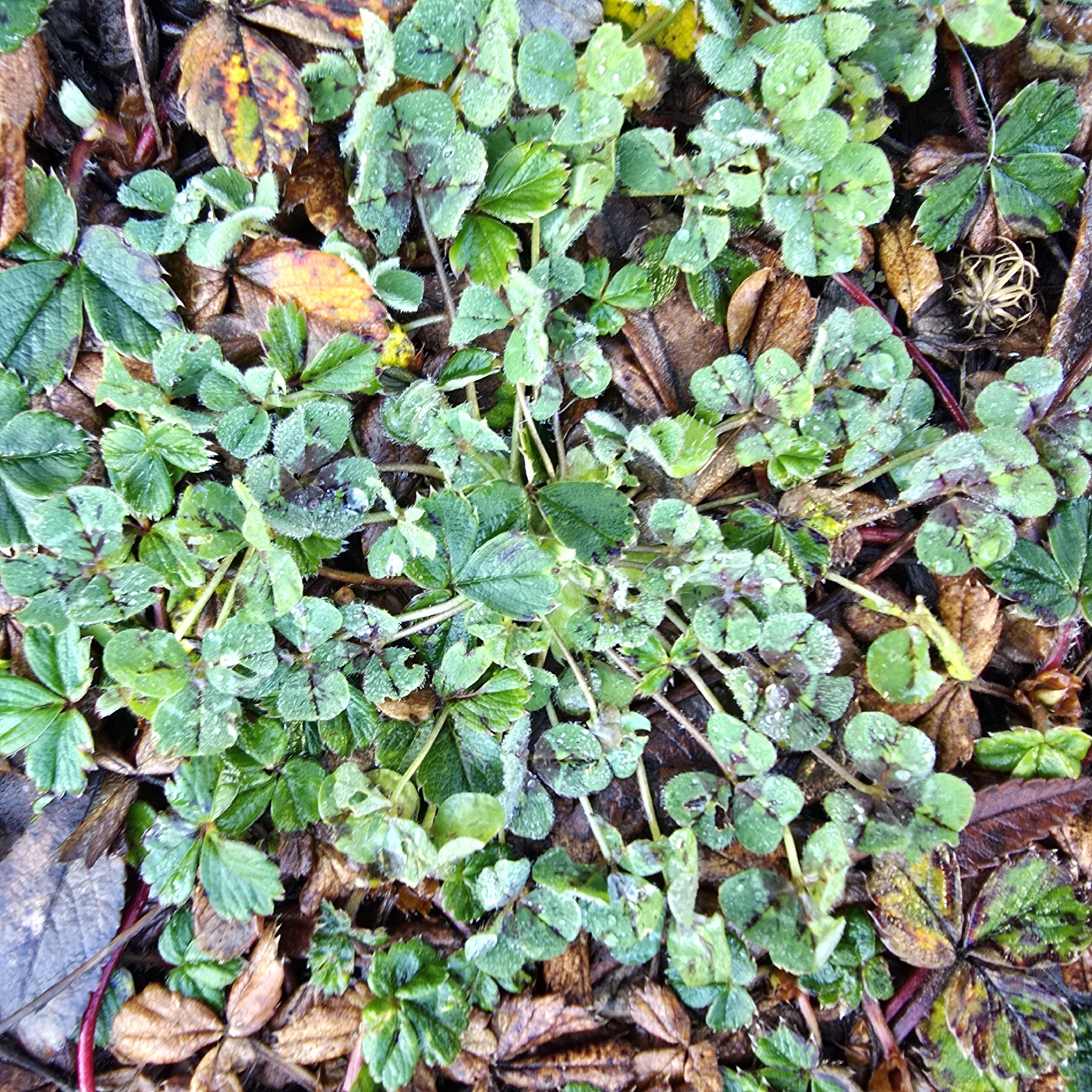
Quick facts
- Family: Fabaceae
- Difficulty: Easy to care for
- Watering: every 7 days
- Light: Full sun
- Temperature: 5–35 °C
About Subterranean clover
Subterranean Clover (Trifolium subterraneum) is a low-growing annual legume, valued for its nitrogen-fixing capabilities and its use as a forage crop and groundcover. Its small trifoliate leaves and creeping growth habit make it ideal for lawns, pastures, or as a green manure in vegetable gardens. It is particularly useful in poor soils where other plants struggle.
Native range
Mediterranean region: Southern Europe, North Africa, and the Middle East.
Care tips
It prefers full sun to partial shade and adapts to a wide range of soils, even poor ones, as long as they have good drainage. Watering is crucial during establishment, keeping it moist but not waterlogged; once established, it is quite drought-tolerant. It does not require additional fertilization due to its nitrogen-fixing ability; in fact, excess nitrogen can inhibit this function. A common mistake is sowing it in overly compacted soils, which hinders root development and the subterranean 'sowing' of its seeds.
How to save a dying Subterranean clover
- Warning signs
- Yellowish or reddish leaves, stunted growth, absence of new seedlings.
- First aid
- Improve soil drainage, water moderately (avoid waterlogging), consider adding phosphorus if soil is poor.
- What kills it
- Excessive moisture or compacted soils hindering root and nodule development.
- Can it be saved?
- Yes, if you act quickly to improve soil and watering before the root system collapses.