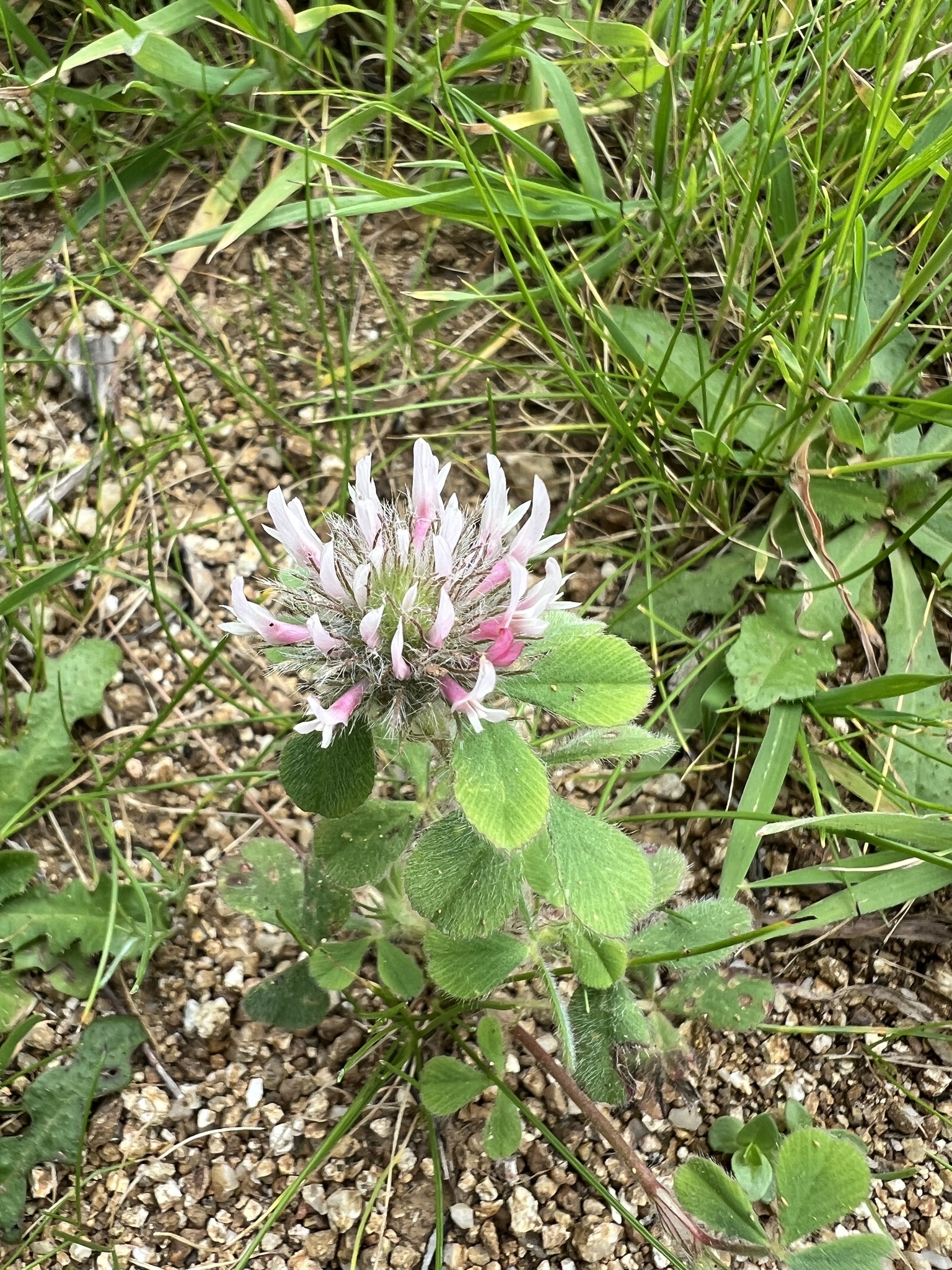
Rose clover (Trifolium hirtum)
Care, watering, light and tips for Rose clover on Floravia.
Quick facts
- Family: Fabaceae
- Difficulty: Easy to care for
- Watering: every 5 days
- Light: Full sun
- Temperature: 5–35 °C
About Rose clover
Trifolium hirtum, commonly known as rose clover or hairy clover, is an annual herbaceous plant belonging to the Fabaceae family, distinguished by its soft, hairy stems and leaves, and its small pink or purple flowers clustered in dense heads. It's an excellent choice for ground cover in low-maintenance gardens or for inclusion in wildflower meadows, adding a rustic charm and attracting pollinators. Its creeping growth habit and ability to fix nitrogen in the soil make it beneficial for improving soil fertility.
Native range
Mediterranean region of Europe and North Africa
Care tips
Rose clover thrives in full sun in most climates, though it can tolerate some partial shade. It prefers well-drained soils and is not particular about fertility; in fact, it improves soil by fixing nitrogen. Water moderately, allowing the substrate to dry out slightly between waterings, as it is drought-tolerant once established. Avoid overwatering, which can lead to root rot and poor growth. No additional fertilization is required.
How to save a dying Rose clover
- Warning signs
- Yellowing or wilting leaves, soft stems. May indicate overwatering or lack of light.
- First aid
- Reduce watering, ensure good drainage. If potted, consider repotting into airier substrate. Increase indirect light exposure.
- What kills it
- Constant waterlogging and excessive shade. It's a plant that prefers well-drained soil and sun.
- Can it be saved?
- Yes, if you act quickly. Trifolium hirtum is resilient but doesn't tolerate root drowning. Recovery is possible.