Purple clover (Trifolium purpureum)
Care, watering, light and tips for Purple clover on Floravia.
Quick facts
- Family: Fabaceae
- Difficulty: Moderate care
- Watering: every 7 days
- Light: Full sun
- Temperature: 5–35 °C
- Toxicity: Toxic to pets
About Purple clover
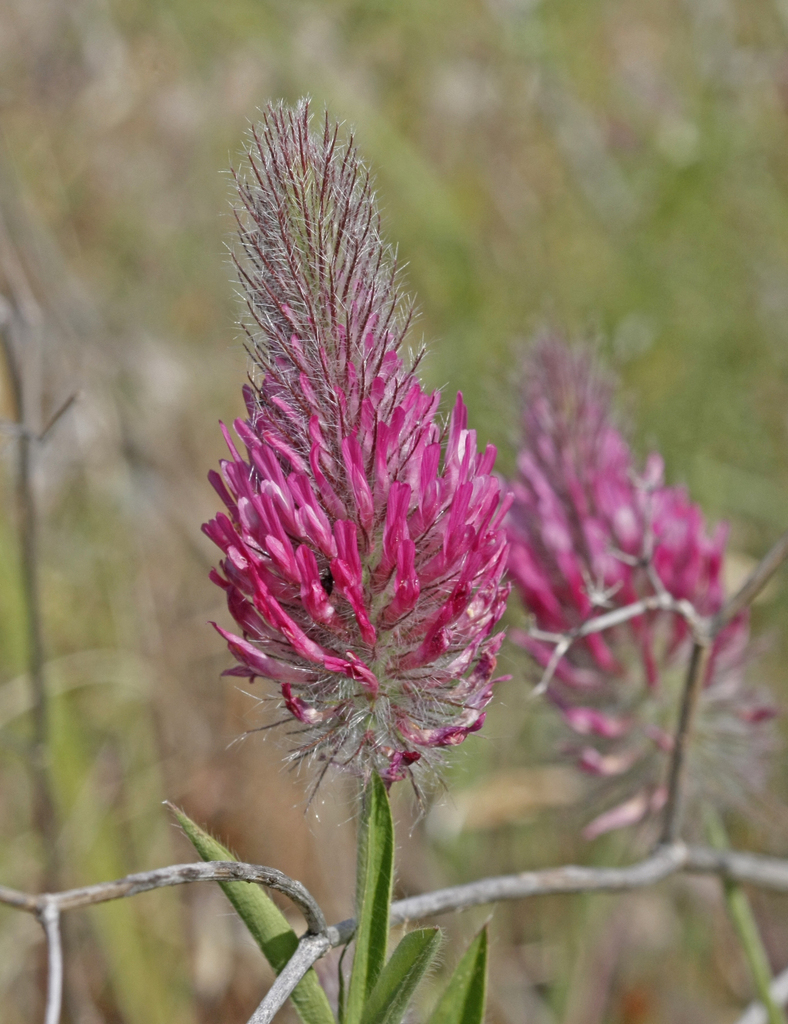
Trifolium purpureum, also known as Purple Clover or Loiseleur's Clover, is an annual or biennial herbaceous plant belonging to the Fabaceae family, distinguished by its vibrant magenta to deep purple flowers that form dense, elliptical heads. Its trifoliate leaves, often featuring a darker central spot, add to its ornamental appeal. It is ideal for rockeries, path edges, or as a ground cover in naturalistic gardens, providing a splash of vibrant color and attracting pollinators.
Native range
Mediterranean region, Southwest Asia, and the Caucasus
Care tips
This species thrives in full sun exposure for abundant flowering, although it can tolerate some partial shade. It requires well-drained soil, preferably sandy or loamy, and is quite drought-tolerant once established, so watering should be moderate, avoiding waterlogging. A common mistake is planting it in heavy, poorly drained soils, which can lead to root rot. It does not require frequent fertilization, as, being a legume, it fixes its own nitrogen.
How to save a dying Purple clover
- Warning signs
- Wilted, yellowing leaves or dry brown spots. Stunted growth.
- First aid
- Check soil moisture. If dry, water thoroughly. If wet, aerate and reduce watering. Move to partial shade if in strong sun.
- What kills it
- Overwatering (root rot) or lack of light (stretches and weakens). Avoid extreme temperatures.
- Can it be saved?
- Yes! If roots aren't completely rotted, there's hope. It's quite resilient.