Fenugreek (Trigonella esculenta)
Care, watering, light and tips for Fenugreek on Floravia.
Quick facts
- Family: Fabaceae
- Difficulty: Easy to care for
- Watering: every 5 days
- Light: Full sun
- Temperature: 5–35 °C
About Fenugreek
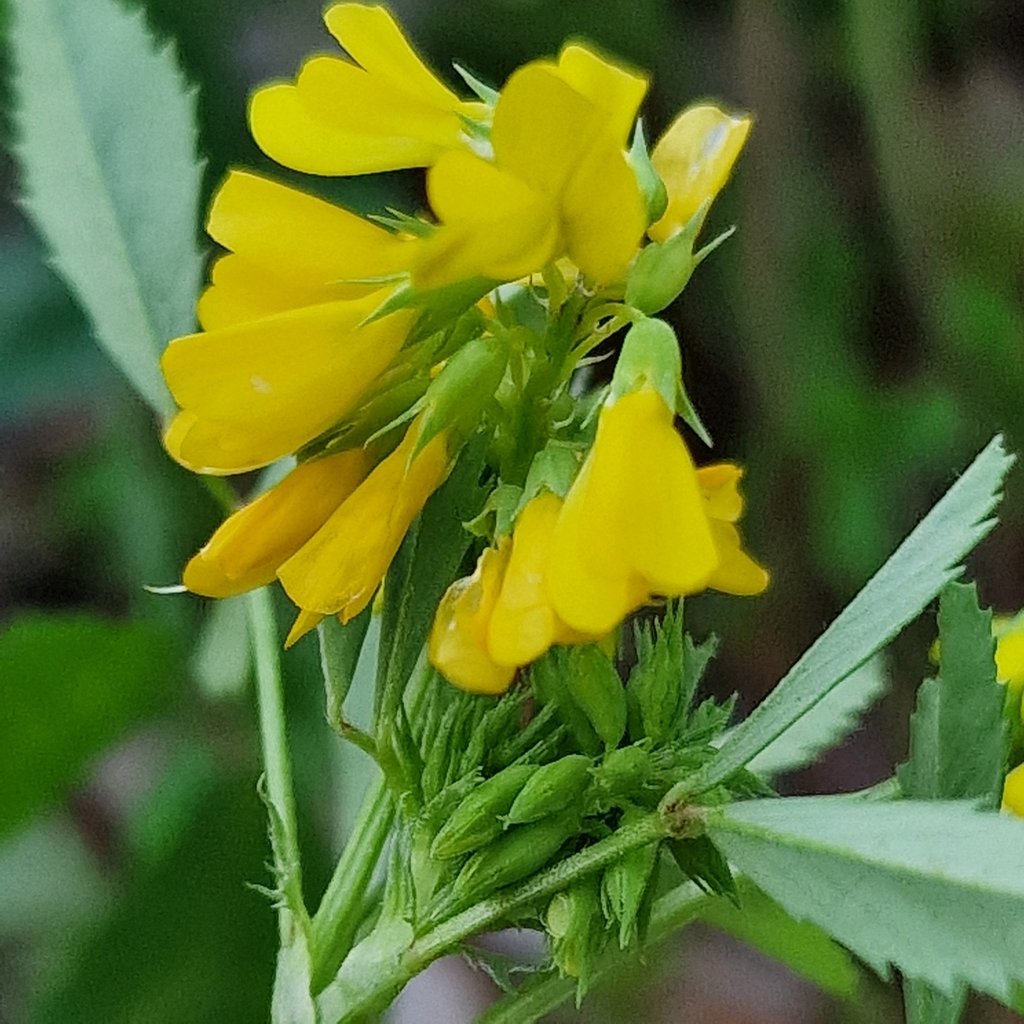
Trigonella esculenta, commonly known as Edible Trigonella, is an annual herb from the legume family, prized for its leaves and seeds used as a vegetable and spice. It features branched stems and bright green trifoliate leaves, with small yellow flowers that develop into elongated pods. It's an excellent addition to urban gardens and herb patches, bringing an exotic and functional touch.
Native range
Central and Western Asia, particularly in the Caucasus region and the Eastern Mediterranean.
Care tips
It requires full sun for optimal growth and well-drained, slightly alkaline to neutral soil. Watering should be regular, keeping the substrate moist but not waterlogged, especially during flowering and seed formation. It benefits from soil enriched with organic matter; avoid very compacted soils that hinder root development. A common mistake is late sowing, as it needs an adequate growth period before hot summer temperatures.
How to save a dying Fenugreek
- Warning signs
- Yellowing or wilting leaves, soft stems, stunted growth.
- First aid
- Check drainage, reduce watering if soil is wet, or water if dry. Ensure good ventilation.
- What kills it
- Overwatering leading to root rot or insufficient light. It's sensitive to waterlogging.
- Can it be saved?
- Yes, if you act quickly. Check the roots; if not completely rotted, there's hope.