Fenugreek (Trigonella foenum-graecum)
Care, watering, light and tips for Fenugreek on Floravia.
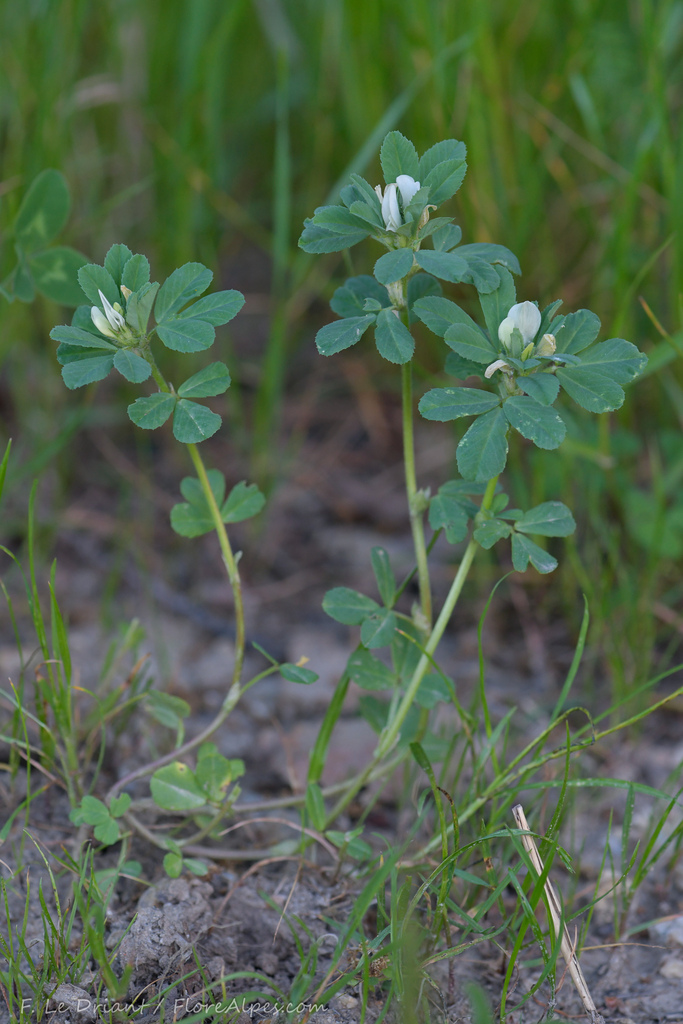
Quick facts
- Family: Fabaceae
- Difficulty: Easy to care for
- Watering: every 7 days
- Light: Full sun
- Temperature: 5–35 °C
About Fenugreek
Trigonella foenum-graecum, commonly known as fenugreek, is an annual herb belonging to the Fabaceae family, valued for both its aromatic seeds and leaves. It features upright stems with pale green trifoliate leaves and small, whitish or yellowish flowers. It is ideal for herb gardens, spice gardens, or even in pots on sunny balconies, providing a distinctive curry-like aroma.
Native range
Middle East and the Indian subcontinent
Care tips
Fenugreek thrives in full sun, requiring at least 6 hours of direct light per day. It needs regular watering to keep the soil consistently moist, especially during germination and early growth, but avoid waterlogging. It prefers well-drained soil, rich in organic matter, and with a neutral to slightly alkaline pH. A common mistake to avoid is transplanting large seedlings, as it does not tolerate root disturbance well.
How to save a dying Fenugreek
- Warning signs
- Yellowing or brown leaves, stunted growth, weak and droopy stems. If it smells moldy, rot is present.
- First aid
- Check drainage. If waterlogged, gently remove excess water and let the surface dry. If dry, water lightly.
- What kills it
- Overwatering is fatal; its roots rot easily. Also, complete lack of light or very compact soil.
- Can it be saved?
- Yes, if rot is not too advanced. Act quickly by correcting watering and ensuring good drainage.