Sago palm (Cycas revoluta)
Care, watering, light and tips for Sago palm on Floravia.
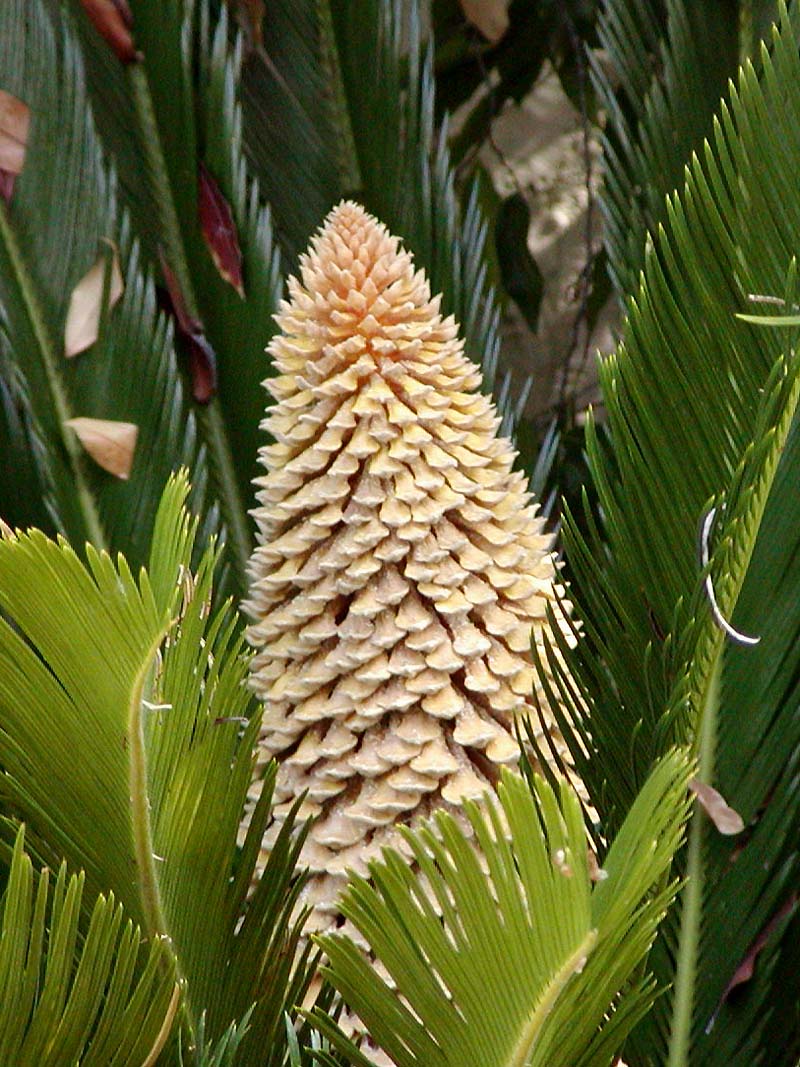
Quick facts
- Family: Cycadaceae
- Difficulty: Moderate care
- Watering: every 7 days
- Light: Partial shade
- Temperature: 10–30 °C
- Toxicity: Toxic to pets
About Sago palm
Cycas revoluta, commonly known as Sago Palm or Japanese Sago Palm, is a majestic, prehistoric-looking plant that evokes the age of dinosaurs. Its stiff, dark green, pinnate leaves grow in a symmetrical rosette from a thick, scaly trunk. It's ideal for adding an exotic and structural touch to tropical gardens, patios, or as a well-lit indoor plant, creating an impressive focal point.
Native range
Southern islands of Japan, such as Kyushu and the Ryukyu Islands
Care tips
It requires bright light, preferably a few hours of direct sun daily, although it tolerates partial shade. Watering should be moderate; allow the soil to dry out completely between waterings to prevent root rot, especially in winter. Use a well-draining, sandy, and slightly acidic substrate. A common mistake is overwatering, which is the main cause of problems for this resilient species.
How to save a dying Sago palm
- Warning signs
- Yellowish or brown leaves, soft and drooping; rot at the trunk base.
- First aid
- Remove dead leaves. Check substrate: if waterlogged, repot with fresh, well-draining soil. If dry, water deeply.
- What kills it
- Overwatering and poor drainage, causing root and trunk rot. Also lack of light.
- Can it be saved?
- Yes, if rot hasn't severely affected the central trunk. Act quickly.